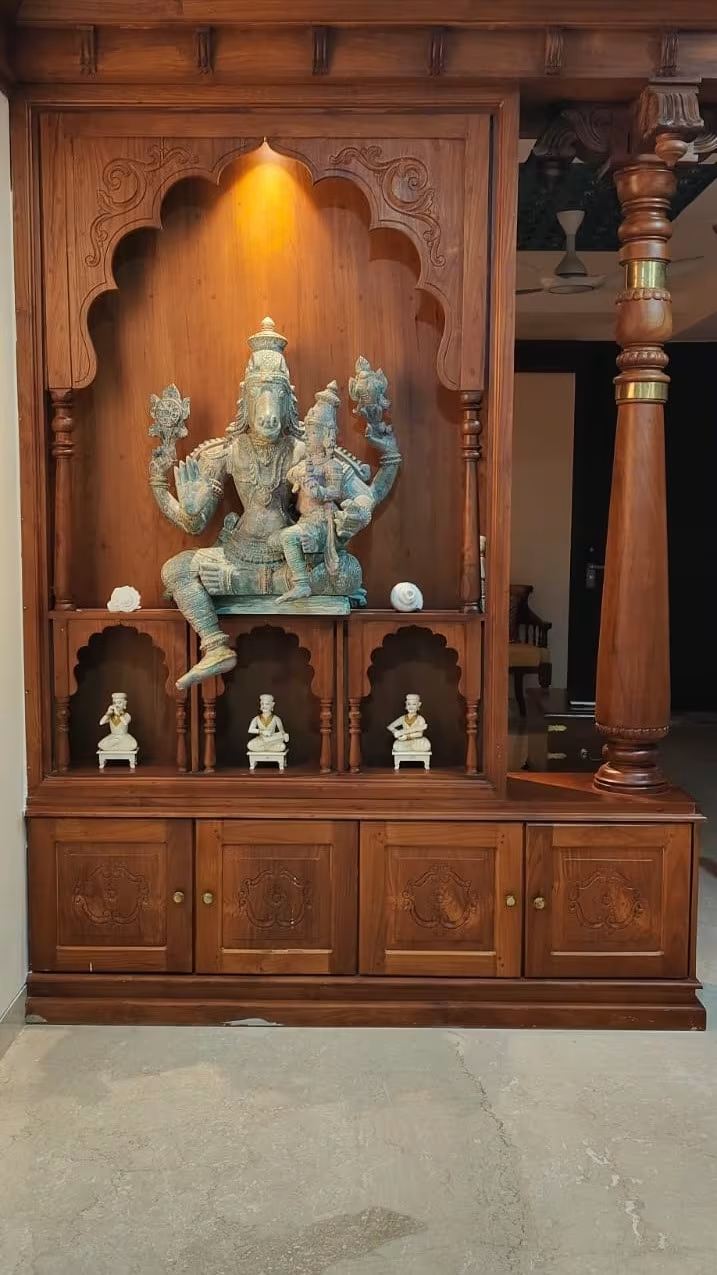
The Karunā Divya Pooja Maṇḍapa is more than a mandir — it is a poetic union of compassion and divinity. Carved with reverence, its form recalls the timeless temple architecture of India, where stone and wood spoke the language of the gods. Here, Karunā flows through its design — in every curve, arch, and gentle detail that invites peace. Divya radiates through its luminous polish, reflecting the light of lamps, diyas, and incense that adorn it during prayer. Placing this mandapa in the home transforms ordinary worship into a sacred dialogue — one where compassion meets divinity, and devotion becomes both a personal and cosmic act. Crafted with meticulous devotion, the Karunā Divya Pooja Maṇḍapa blends traditional Indian sanctity with refined craftsmanship, designed to elevate prayer rituals while harmonizing seamlessly with modern interiors. Made from fine hardwood and polished with a natural sheen that glows in lamplight, it carries the warmth of sacred craftsmanship. Its temple-inspired design, with arches, pillars, and shikhara-like details, echoes the grandeur of heritage shrines while fitting gracefully into contemporary spaces. Thoughtfully built with a spacious deity platform, incense holders, and drawers for pooja essentials, it embodies functional sanctity that supports daily rituals with ease. At its heart, the mandapa radiates the symbolic presence of Karunā (compassion) and Divya (divine aura), transforming it from a crafted structure into a consecrated space that becomes the spiritual heart of the home
Each component reflects a story of devotion, culture, and skilled hands
The śikhara, crowned with a kalash, is the summit of the shrine. It represents the rising flame of devotion, ever pointing upwards toward the infinite. Like a mountain peak, it embodies transcendence — reminding devotees to lift their thoughts from earth to sky, from the ordinary to the divine.
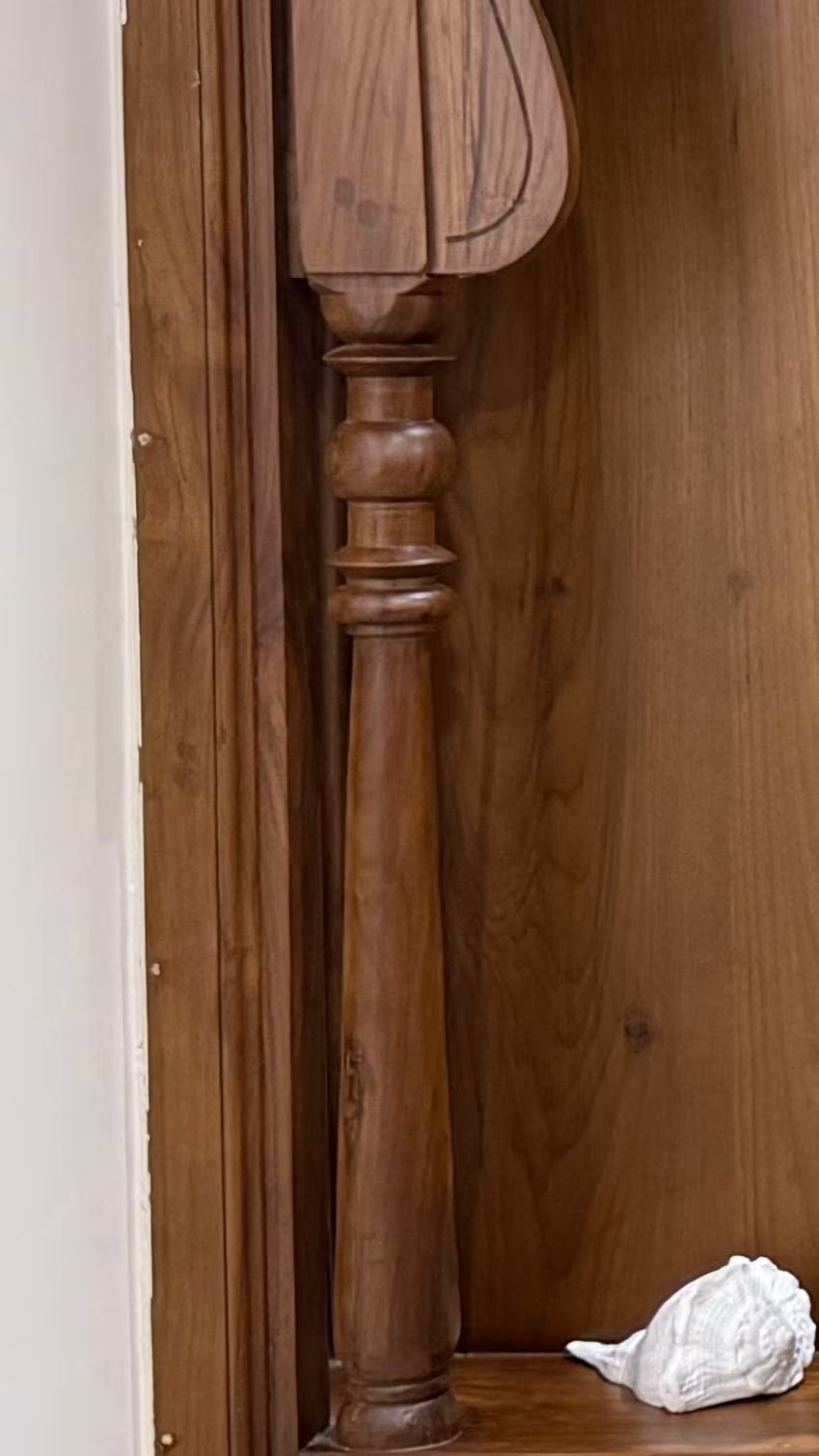
The stambhas stand tall and unwavering, holding the sanctum with firmness and elegance. They are symbols of compassion and moral strength, teaching that true support comes not from rigidity but from graceful endurance. Just as a temple rests upon its pillars, life rests upon virtues of kindness and steadiness.
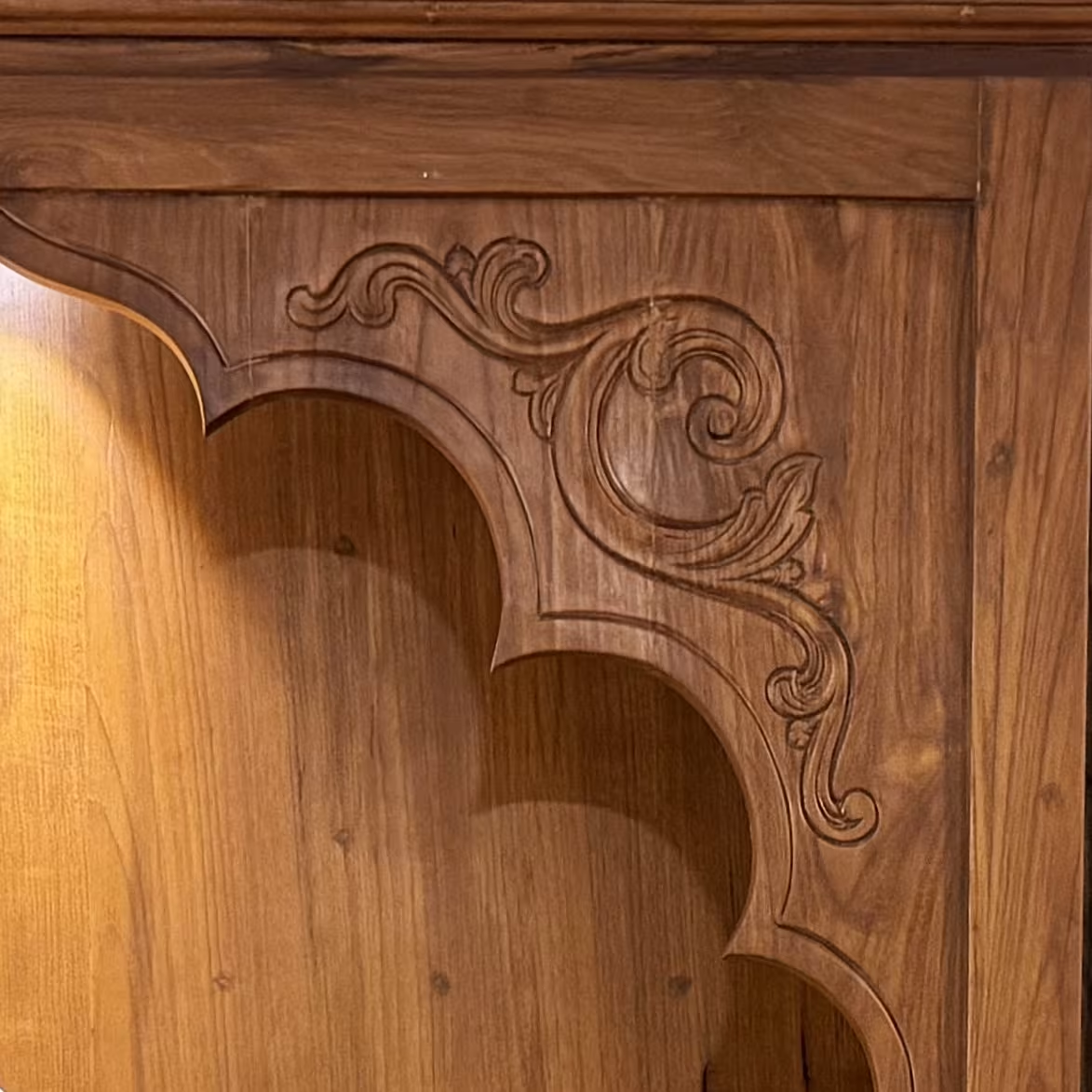
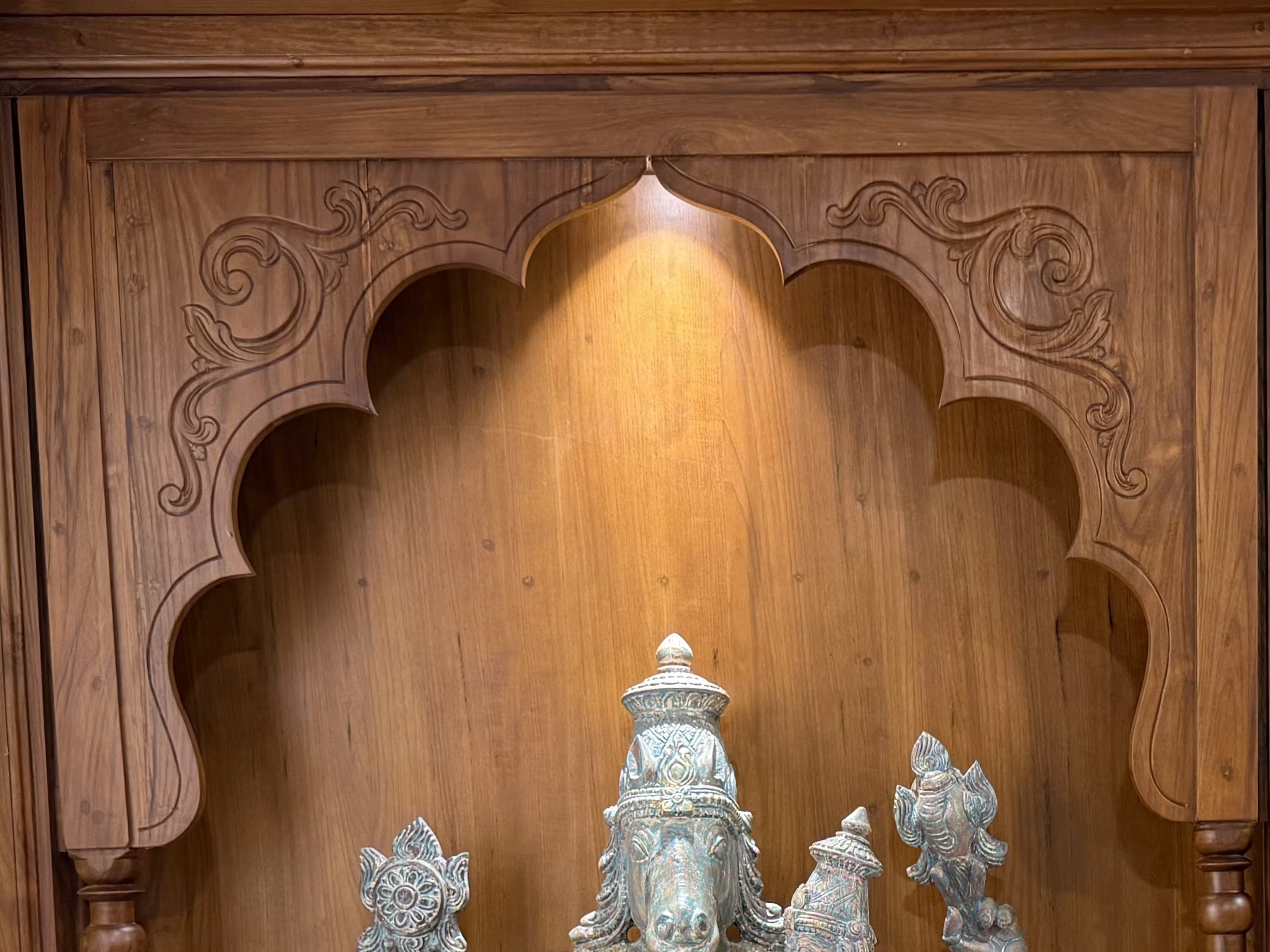
The torana frames the entrance like a celestial threshold. Adorned with intricate patterns, it acts as a protective aura, keeping out negativity and welcoming auspiciousness. Passing under it signifies moving from worldly concerns into a space of purity and worship.
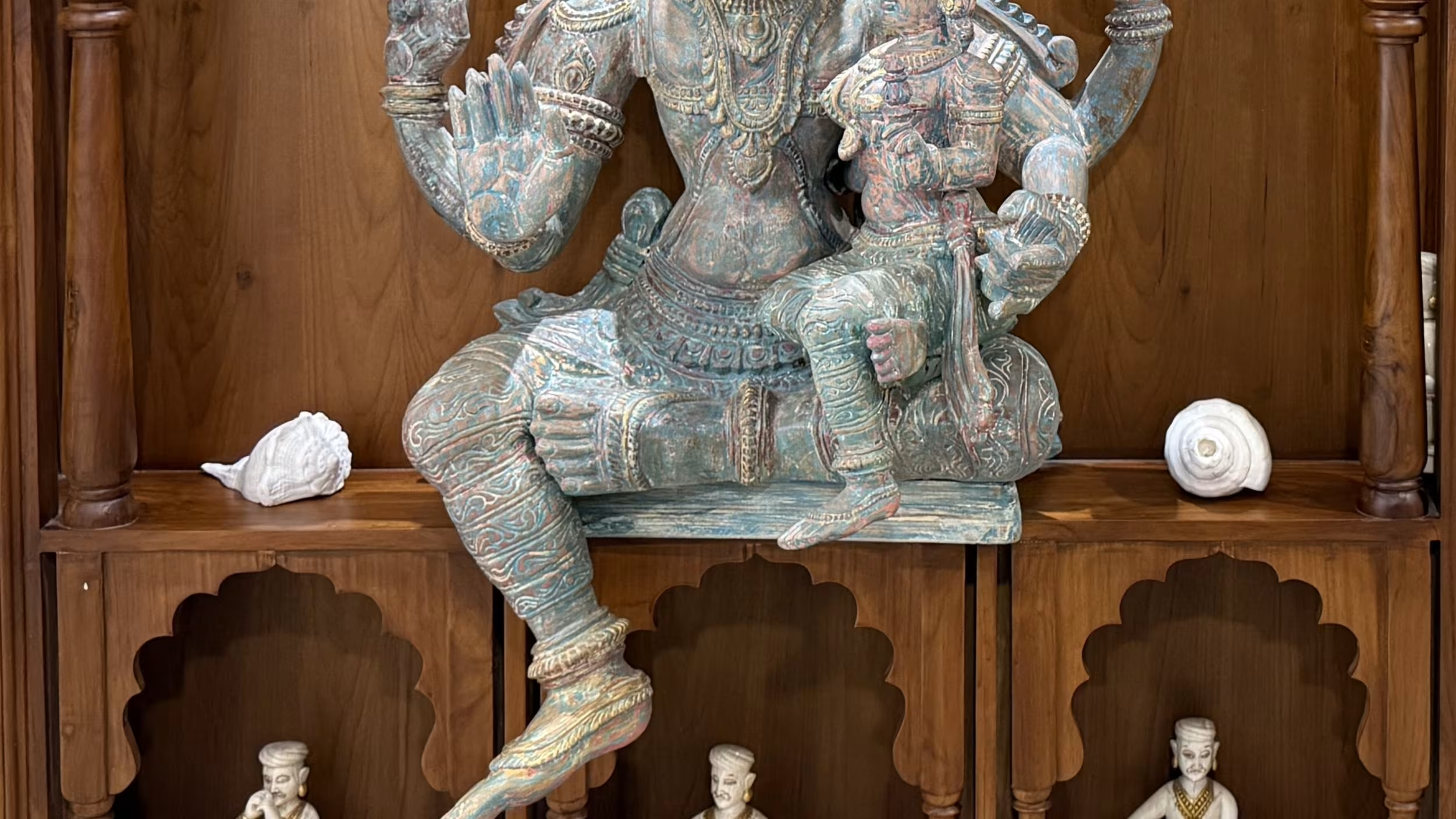
The raised pedestal is the āśraya (abode) of the deity — a throne of eternal reverence. Like a royal seat, it conveys dignity and authority, but also humility, for it is where the eternal dwells within the earthly. Every offering placed here becomes sanctified, carrying the devotee’s heart upwards.
The steps serve as a gentle bridge between devotee and deity. They symbolize the path of surrender, where each flower, lamp, or fruit offered becomes a stepping stone of devotion. Walking this path is an act of humility, recognizing that every small gesture leads closer to the divine.
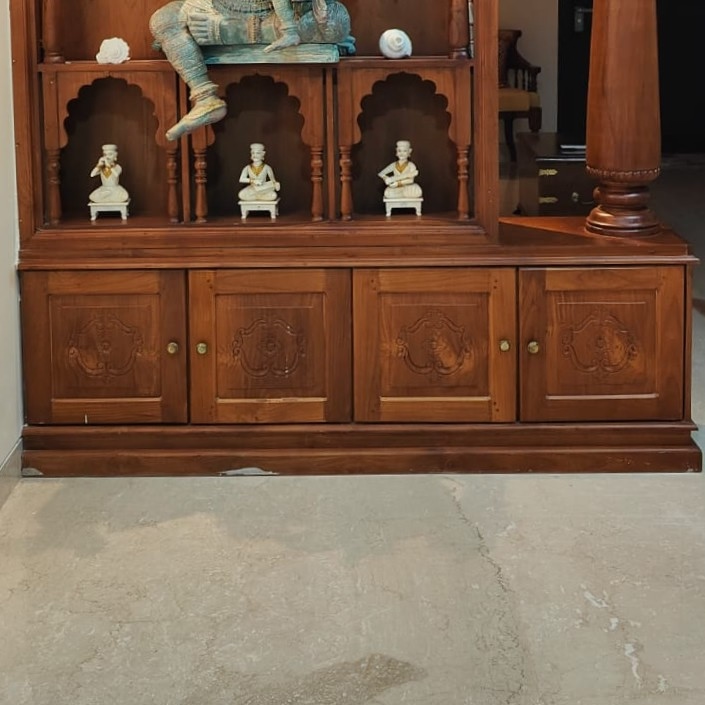
The drawer is like a hidden sanctum within the sanctum. It safeguards the essentials of worship — incense, lamps, wicks, bells — tools that carry prayer into action. Though unseen, it is vital, reminding us that even unseen efforts and preparations sustain the sacred flame.
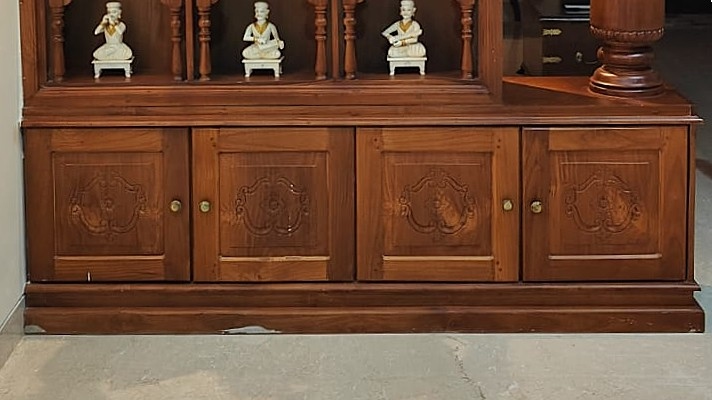
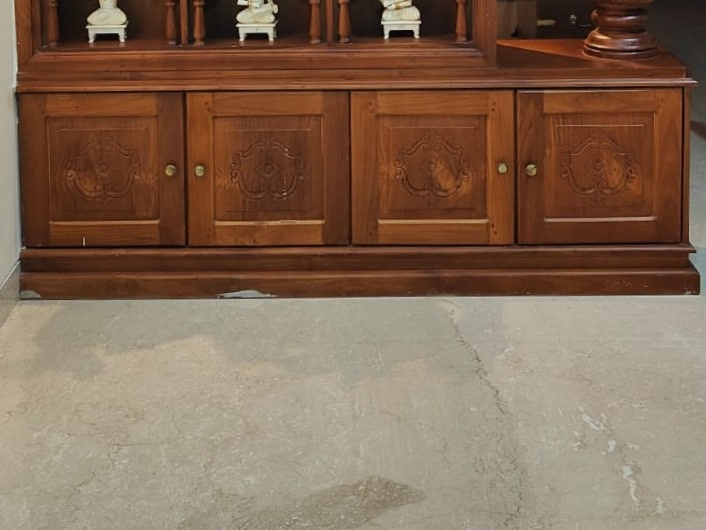
The dvāras are more than covers; they are guardians of the sacred. Closed, they protect the deity in silence. Opened, they reveal divinity in radiant presence. Their movement mirrors the spiritual journey: concealment and revelation, the rhythm of divine mystery and human devotion.
From sleek, modern designs that exude contemporary elegance to timeless classics that evoke warmth and nostalgia, our curated selection has something for every taste and lifestyle. Each piece is crafted with precision and care, ensuring both quality and durability.