The Maha Aiśvarya Pooja Mandap is born of temple tradition and timeless craftsmanship, evoking the spiritual aura of South Indian and colonial heritage shrines. Standing tall upon lotus-carved bases, its pillars echo the gopurams of temples that have for centuries safeguarded divine energy. Each carved motif is not mere decoration, but a mantra etched in wood — a prayer that radiates through space. The mandap becomes more than a structure: it is a sanctum within the home, a miniature temple where divinity resides and blessings are invoked daily. Its lattice allows light to dance through, mirroring the gentle grace of dawn filtering through temple walls. As the murti sits within, the mandap transforms into a cosmic gateway — a bridge where the earthly meets the eternal, where family prayers rise like incense towards the heavens. A masterfully hand-carved wooden mandap, the Maha Aiśvarya Pooja Mandap is designed to be both functional and spiritual. Crafted from richly grained hardwood, it features: Pillars with lotus bases for stability and sanctity. Intricate carvings and lattice (jālaka) that filter both light and meaning. A celestial canopy (vimāna-style ceiling) that echoes temple architecture. Ornamental entry doors that transform opening into an act of reverence. Robust structural beams ensuring longevity and strength. Finished with a hand-polished natural sheen, it embodies a harmonious balance of tradition and refinement — suitable for homes, prayer rooms, or meditation spaces where divine energy is welcomed and prosperity is honored.
Each component reflects a story of devotion, culture, and skilled hands
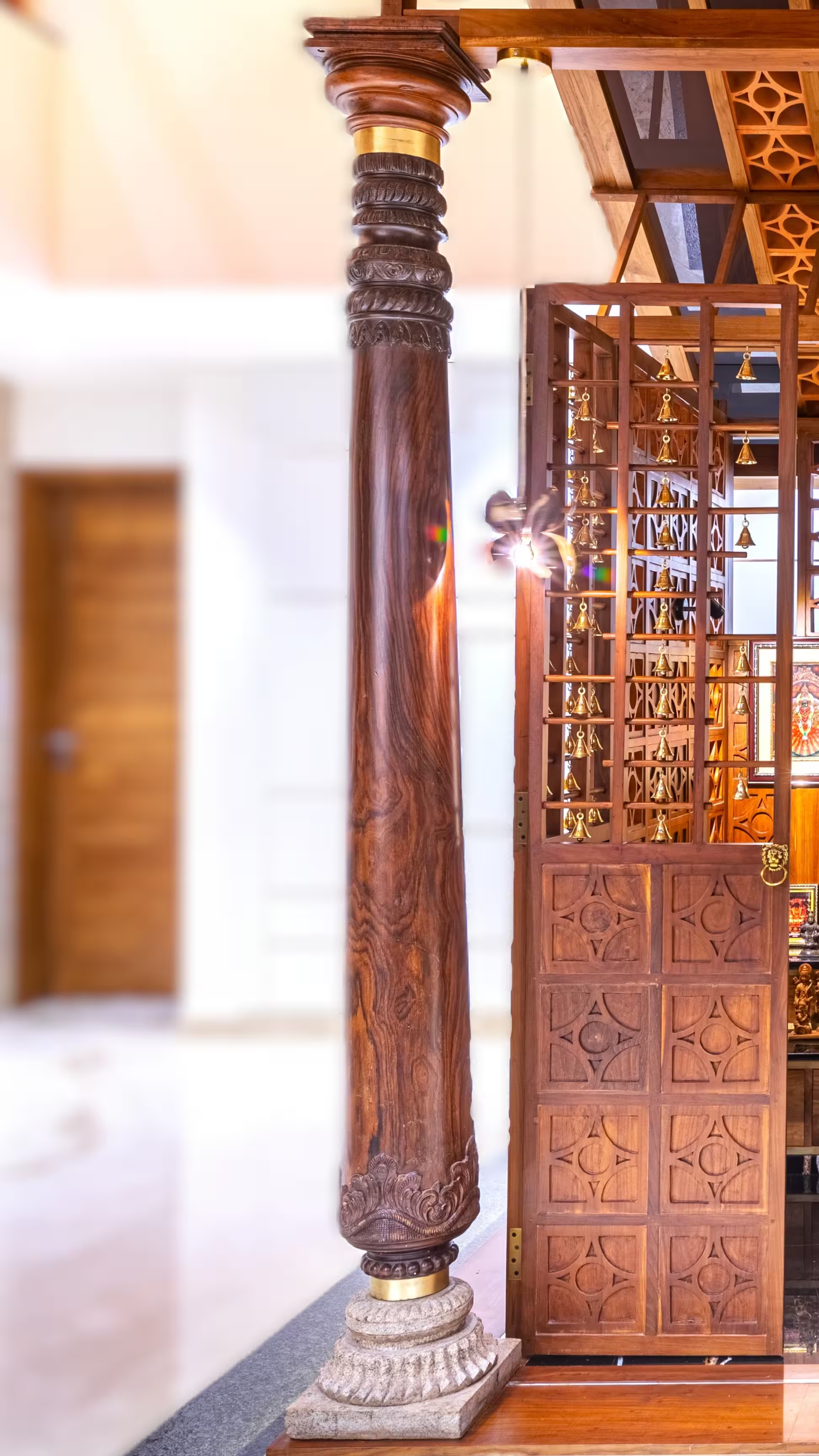
These pillars stand like guardians of dharma, tall and resolute. Their vertical ascent reflects the upward journey of the soul, carrying offerings from earth to heaven. They are not merely supports of wood but conduits of strength, wealth, and protection, silently affirming the household’s rootedness in divine grace.
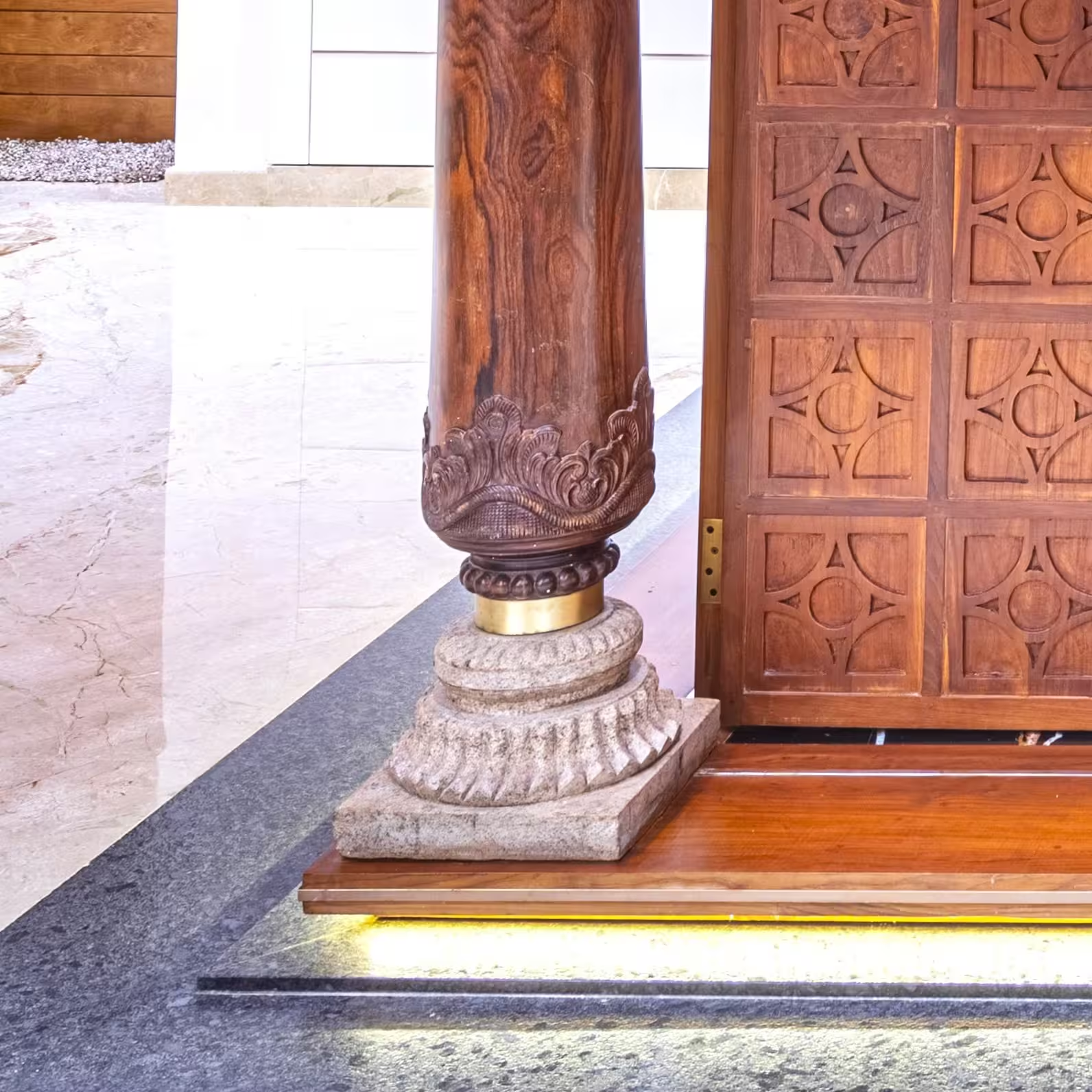
Emerging like a lotus from the earth, these bases remind us that true devotion, like the lotus, blossoms even amidst the mire of worldly concerns. They anchor the divine pillars in purity, teaching that all spiritual growth must be grounded in humility and clarity of mind.
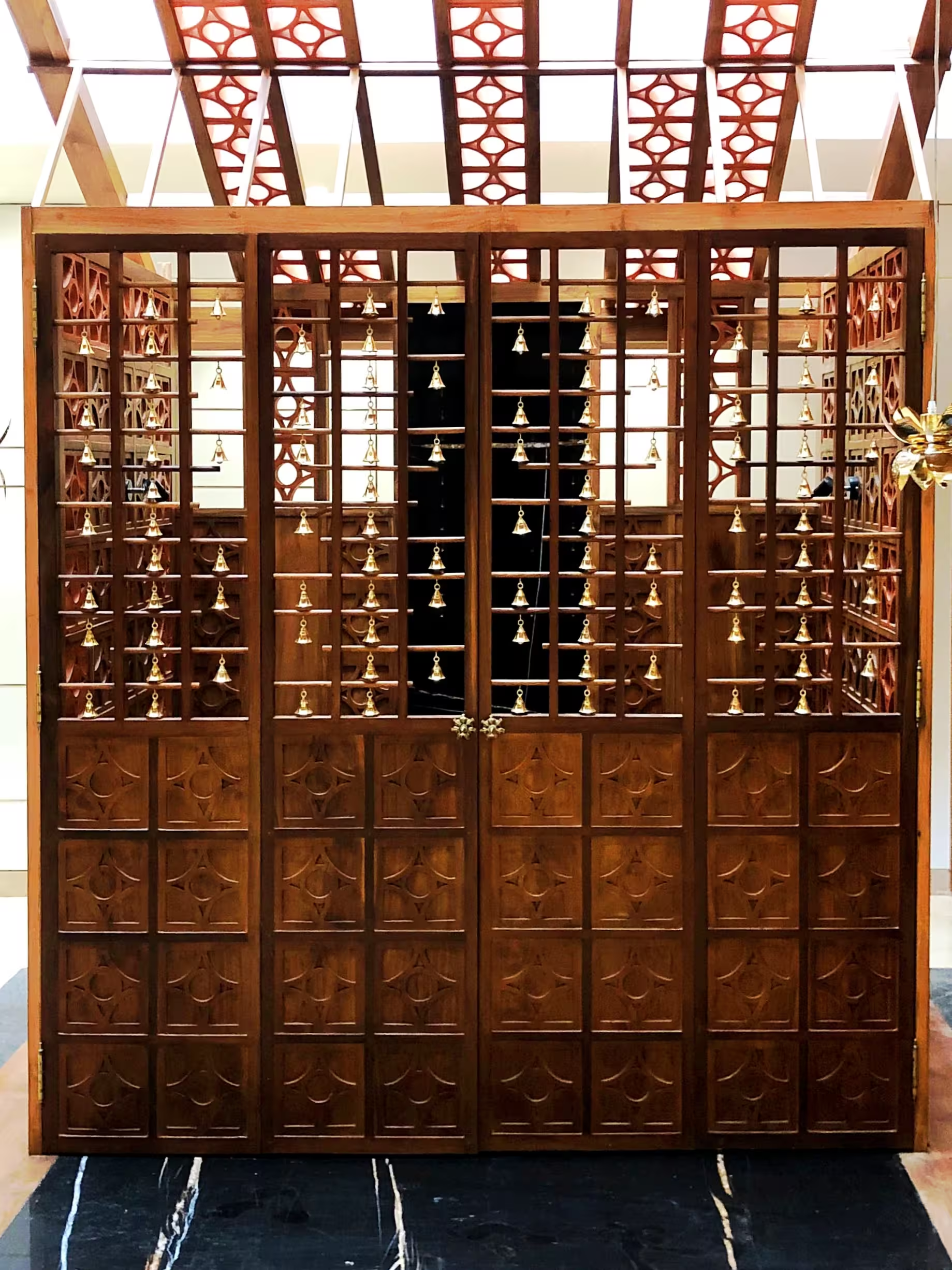
These doors represent thresholds between the mundane and the sacred. When opened, they welcome divine light and grace into the devotee’s life; when closed, they preserve sanctity. Symbolically, they embody the inner gateway of the heart — which opens only through faith and surrender.
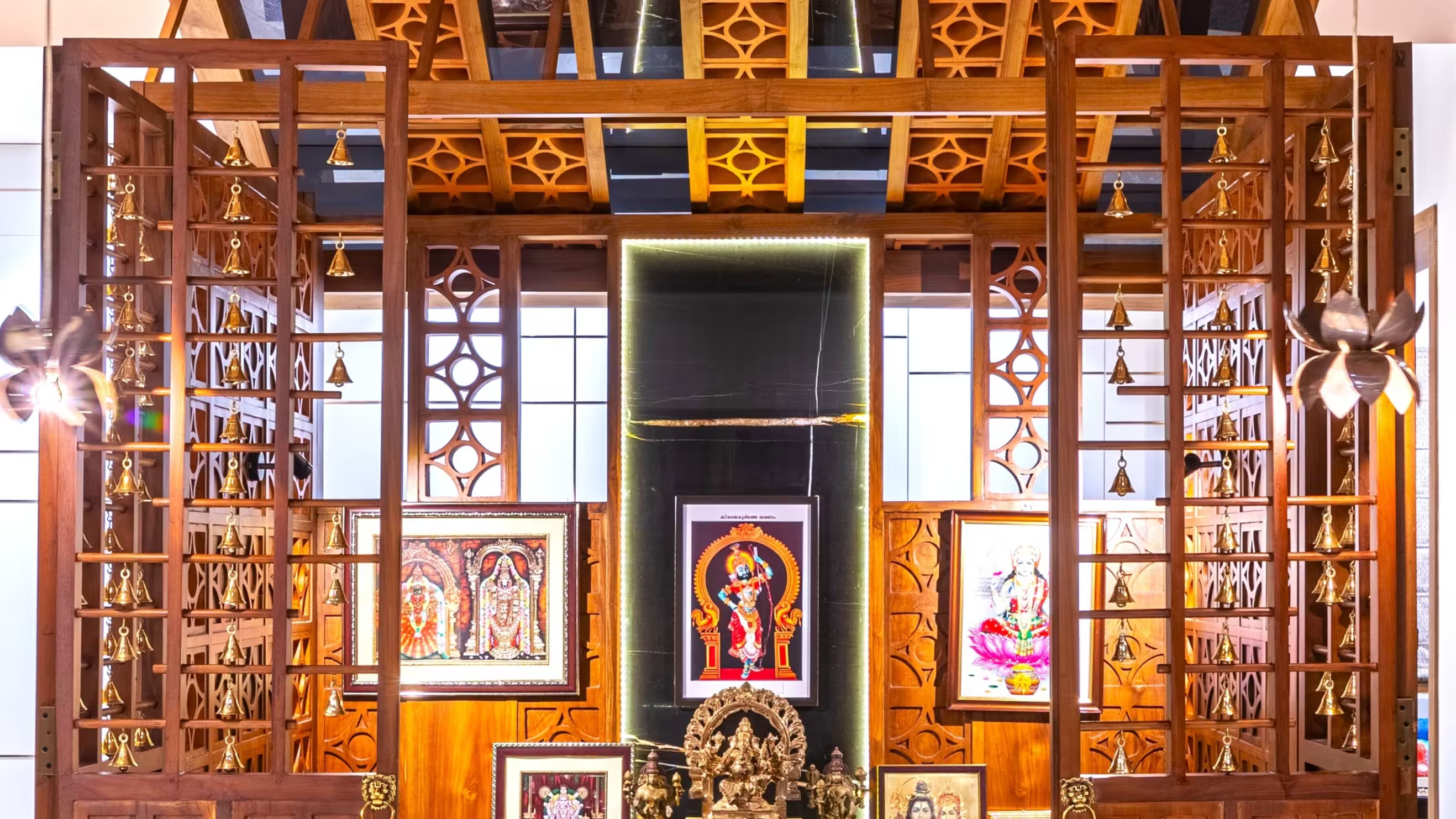
The lattice acts like a cosmic filter, allowing light to enter softly, never harshly. Just as divine blessings descend in measured forms, the jālaka symbolizes balance — between shadow and illumination, known and unknown. It is the subtle veil through which the infinite peeks into the finite.
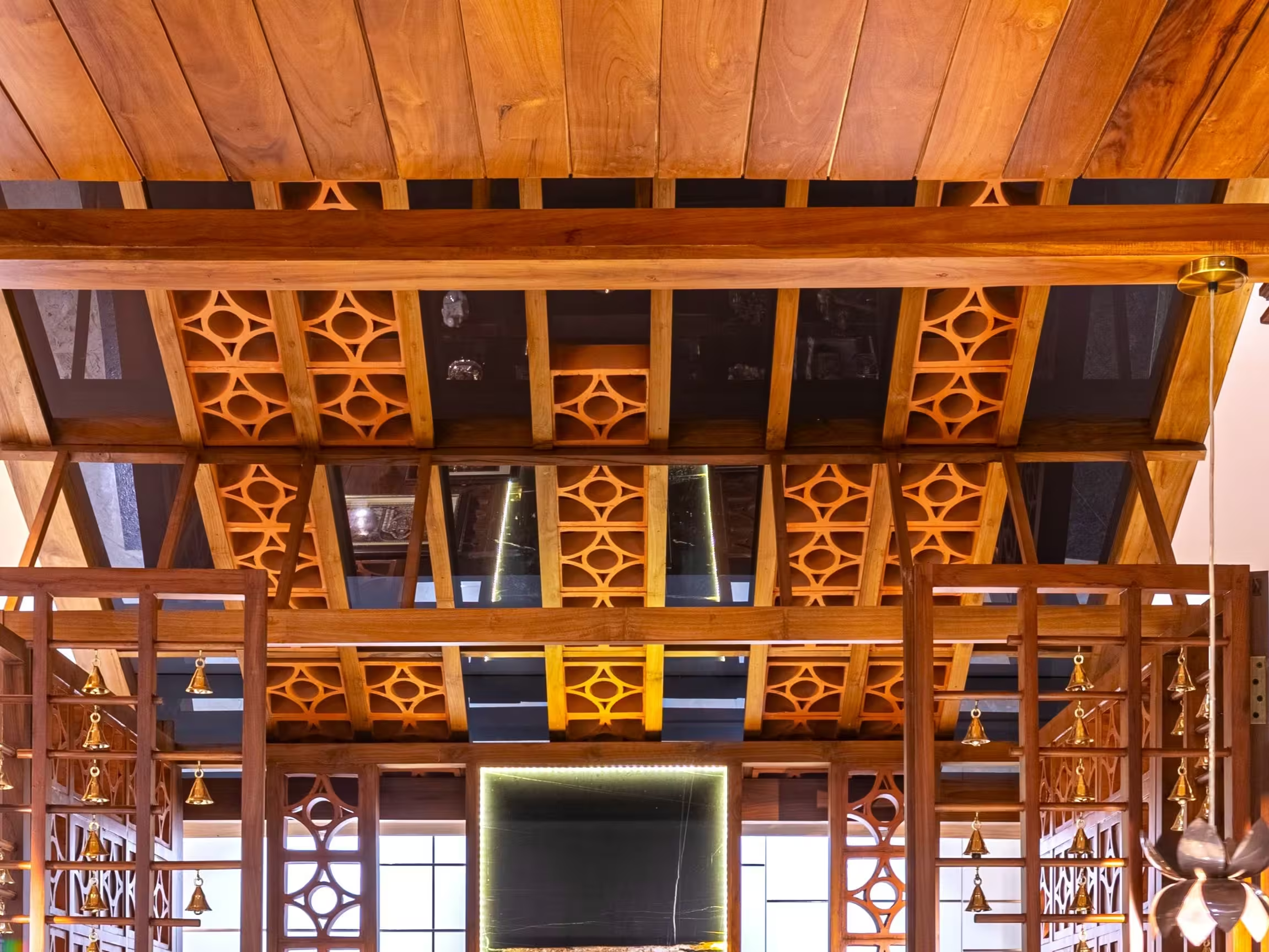
he mandap ceiling becomes the devotee’s personal sky, its carvings echoing heavens above. It evokes temple vimānas under which gods reside. Here, prayers rise upward like incense smoke, reaching the unseen realms, while divine blessings descend upon the family seated below.
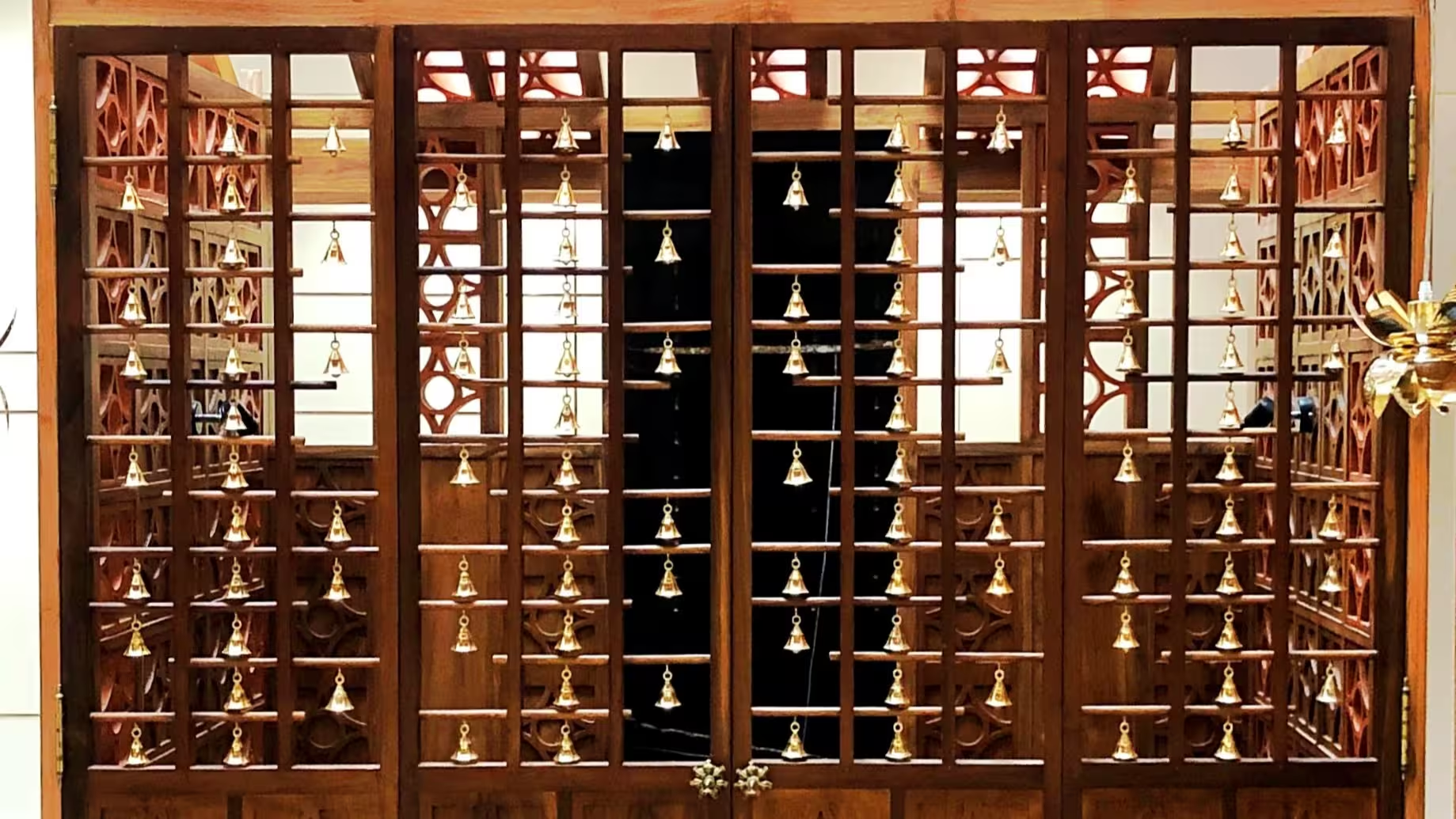
Their resonant chimes clear stagnation from the air, aligning the space with auspicious vibrations. Each strike awakens consciousness, echoing the belief that sound (nāda) is the first manifestation of creation itself. The bells remind us that worship is not silent alone — it is also the music of devotion vibrating through the cosmos.
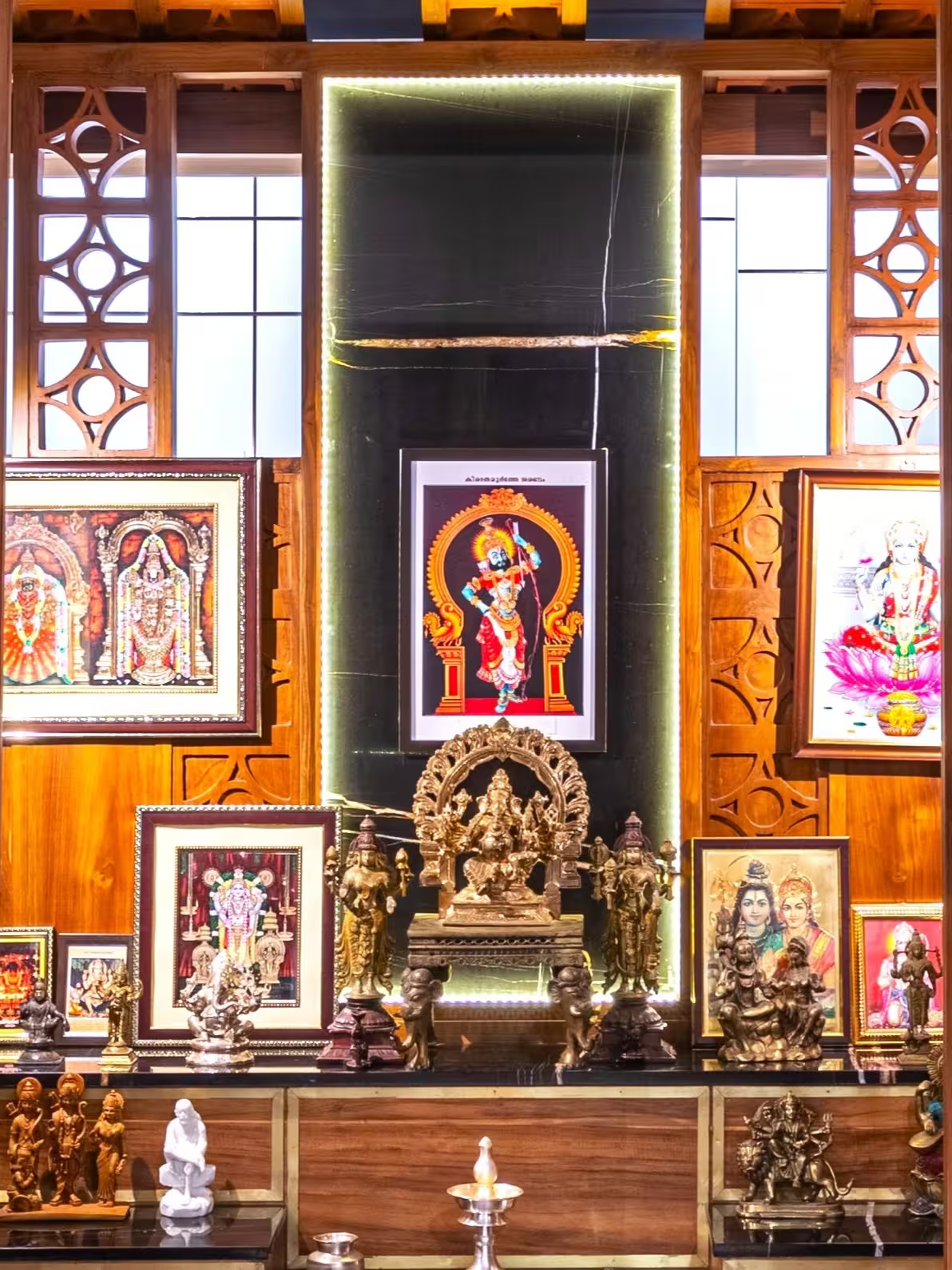
The radiant heart of the mandap. More than form, the murti becomes a living embodiment of divinity once consecrated. It transforms the mandap into a cosmic center where the devotee meets the divine face-to-face — a union of human longing and divine compassion.
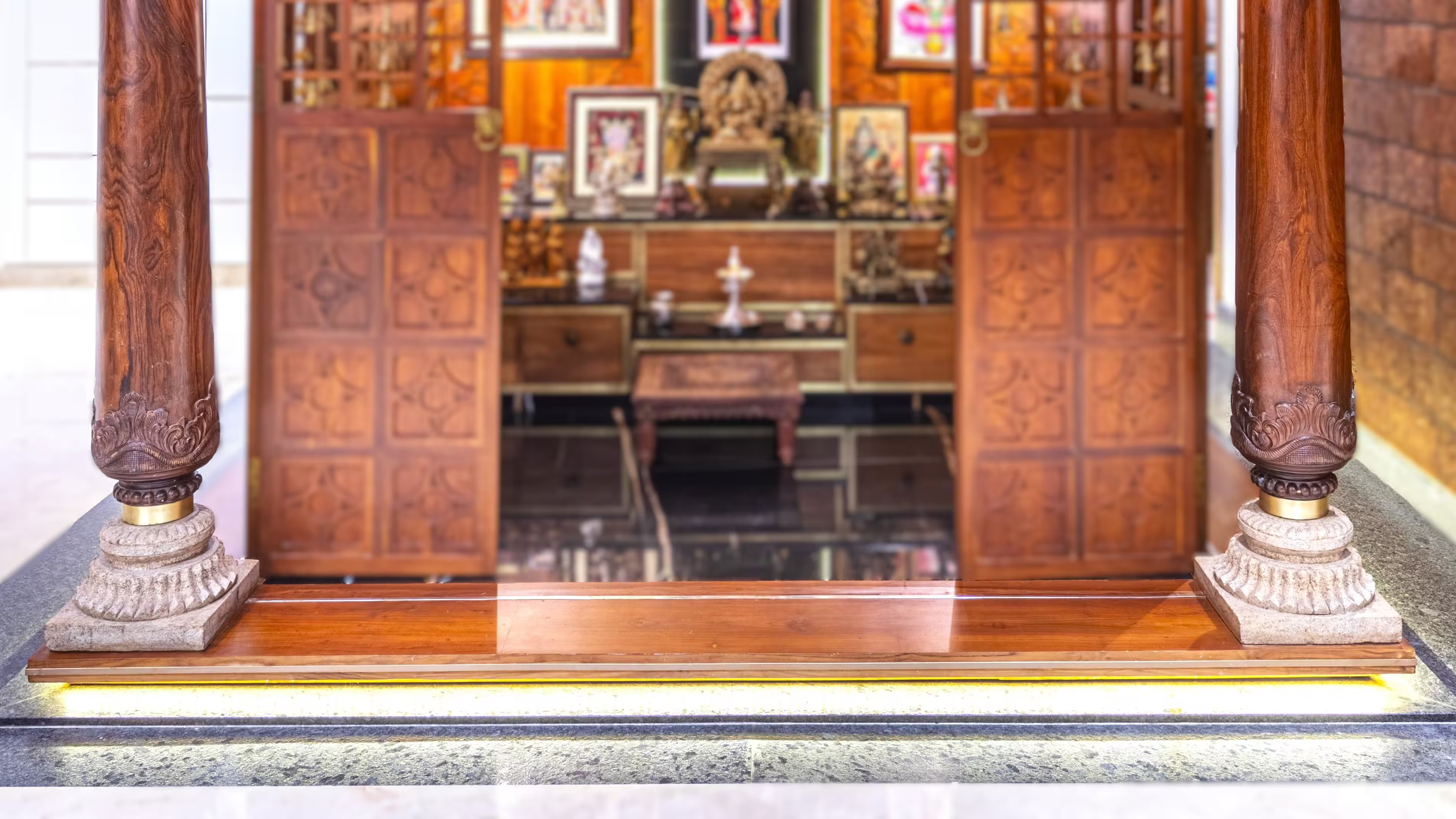
By elevating the murti, the platform creates a boundary between sacred and mundane. It represents the ‘seat of honor,’ where gods are respectfully invited to dwell. Like a sanctified altar, it embodies reverence, reminding the devotee to look upward toward the divine.
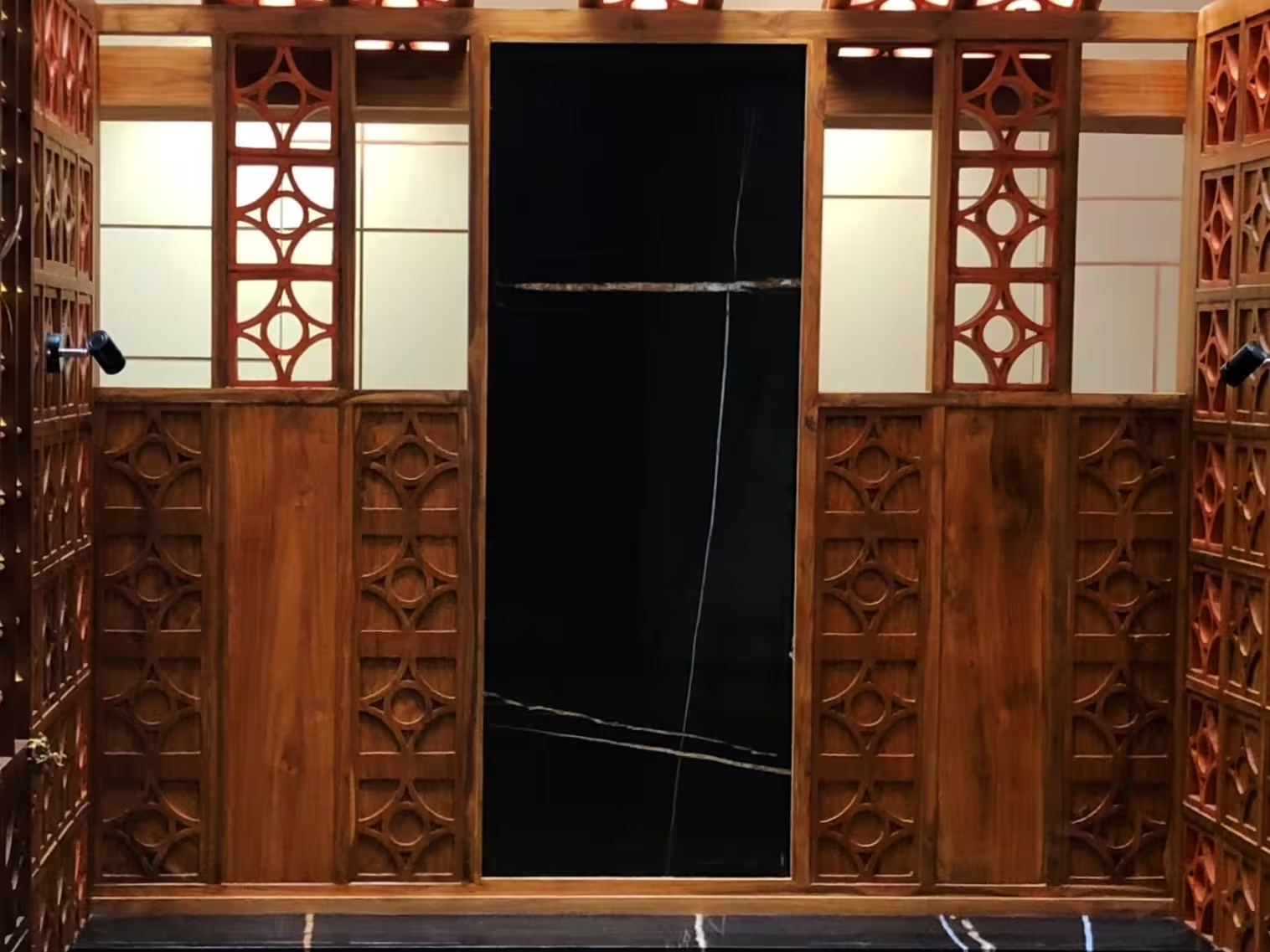
These blossoms carved in wood never fade. They signify eternal offerings of devotion, beyond the withering of real flowers. Geometric patterns echo the order of the cosmos, where divine beauty is interwoven with symmetry, rhythm, and the eternal cycles of life.
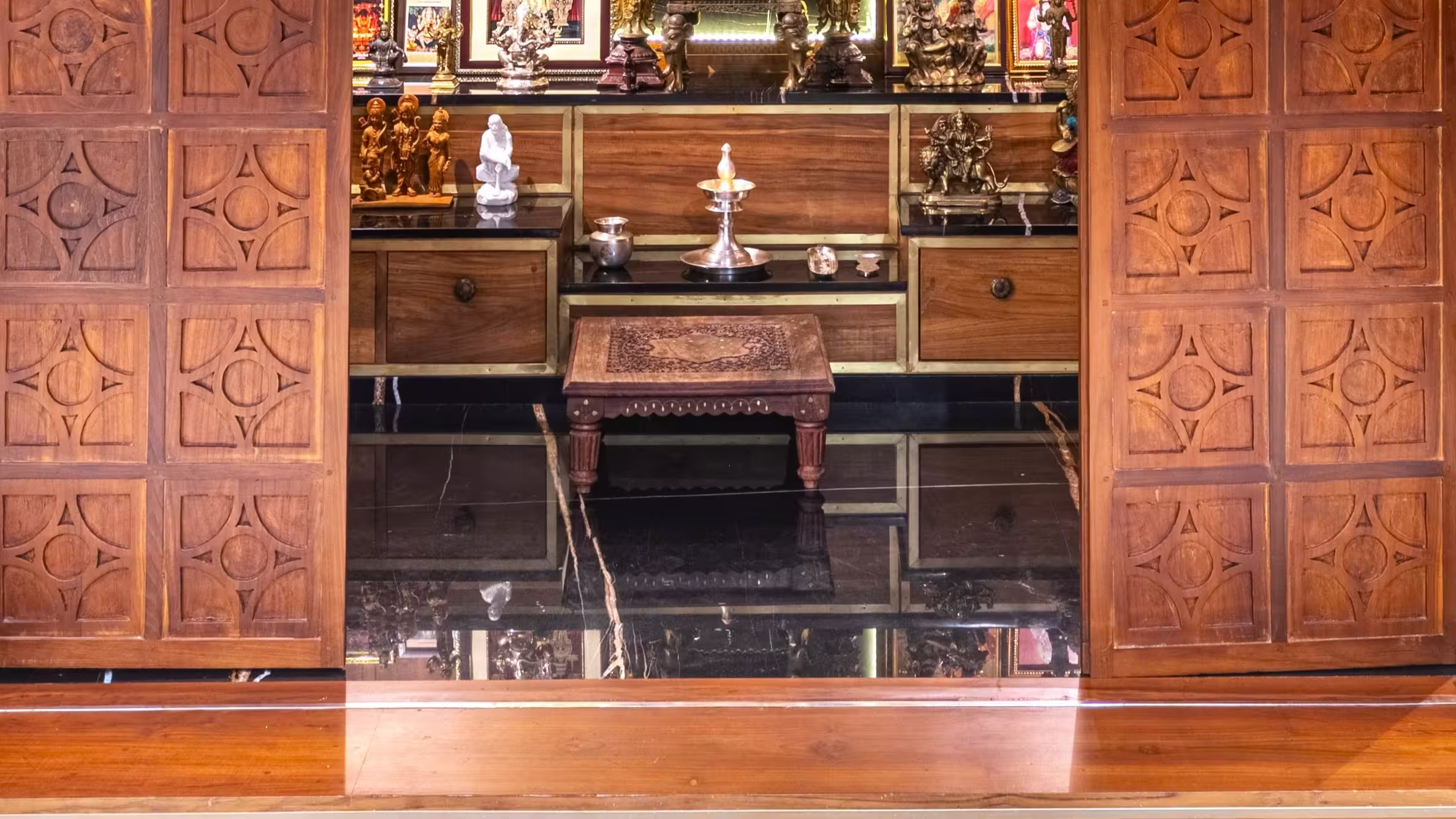
The polished black marble floor is more than a surface — it is the silent expanse upon which all rituals unfold. Its depth mirrors the infinite cosmos, grounding the sanctum in stillness while reflecting the light of lamps like stars upon the night sky.
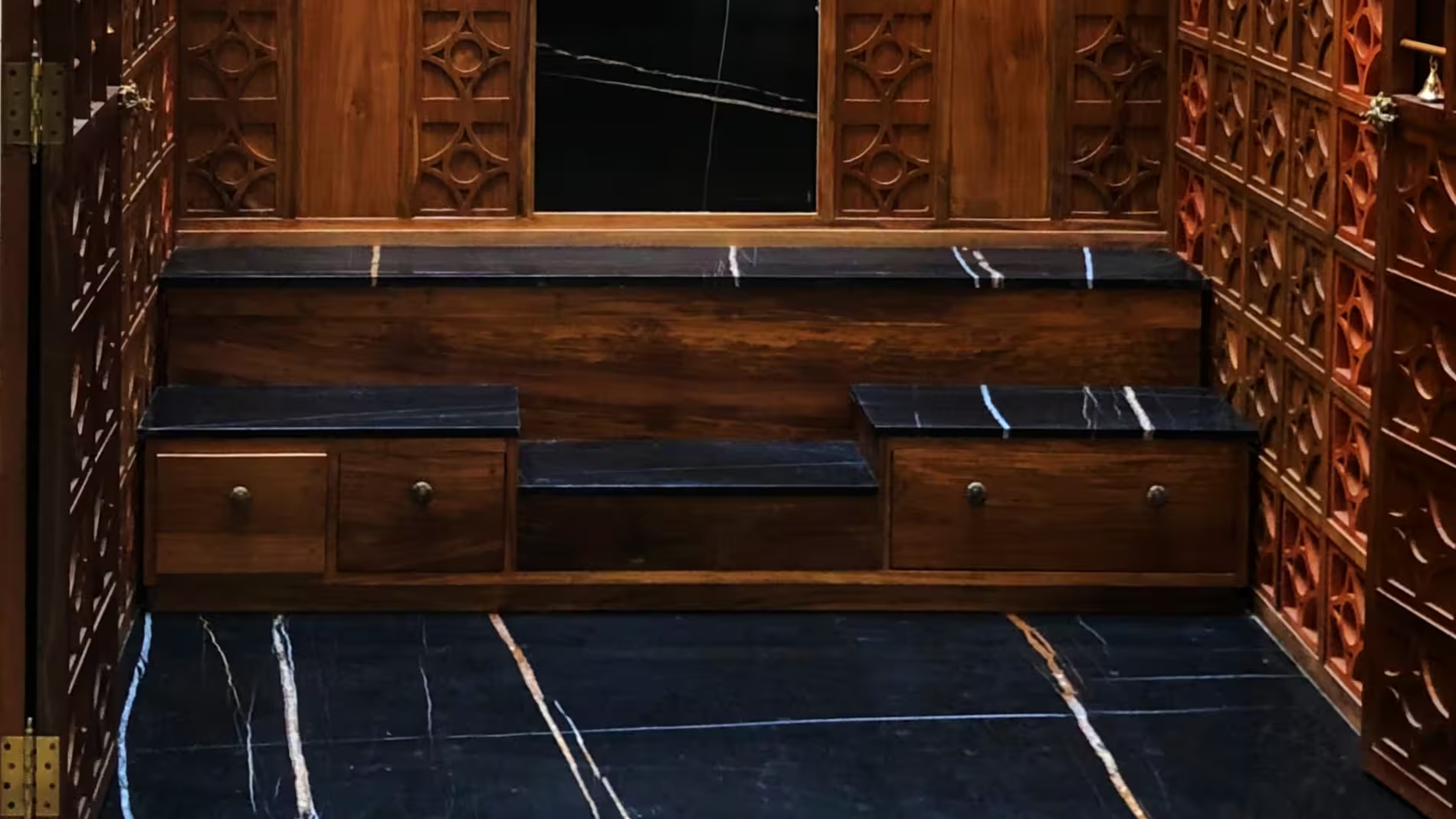
The stepped wooden platforms are symbolic stairways to the divine. Each rise is like a mantra, lifting offerings and the heart closer to transcendence. In temple tradition, such elevation signifies the soul’s journey from earthbound existence to sacred height.
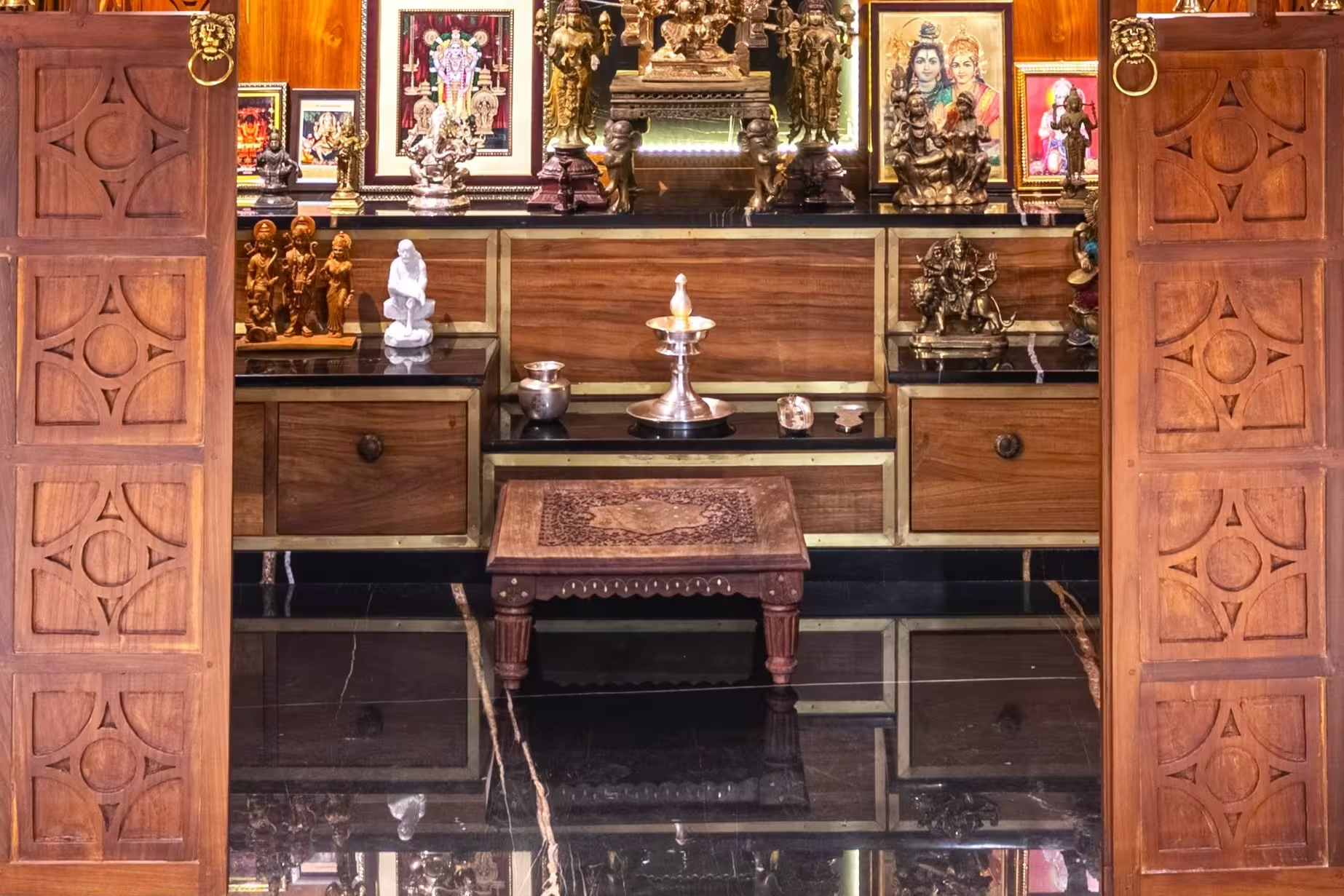
Concealed beneath the structure, these drawers are quiet keepers of sanctity. They hold the unseen treasures of worship — incense, lamps, flowers — elements that sustain the flame of devotion. They embody the principle that what is hidden is often the most essential.
From sleek, modern designs that exude contemporary elegance to timeless classics that evoke warmth and nostalgia, our curated selection has something for every taste and lifestyle. Each piece is crafted with precision and care, ensuring both quality and durability.