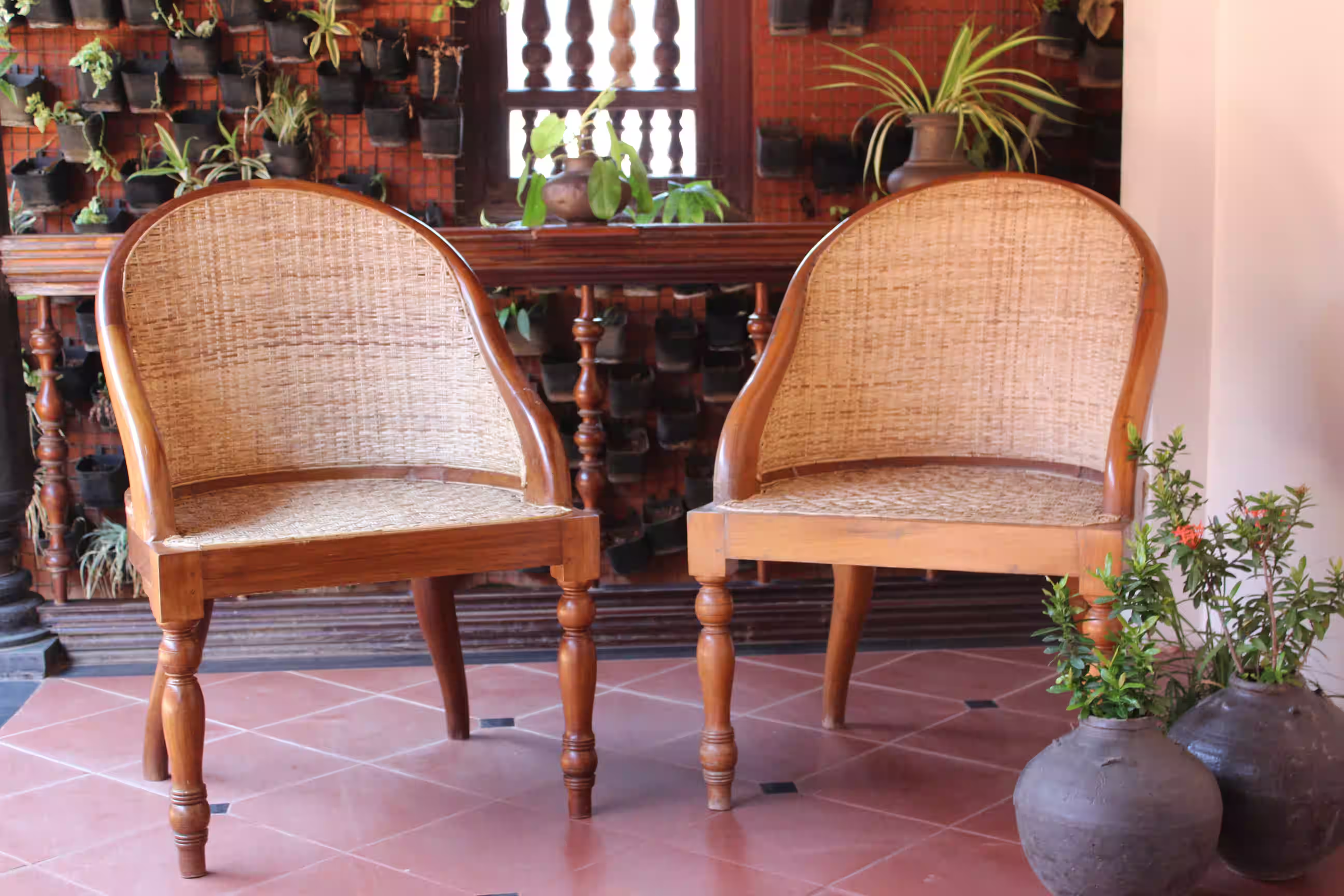
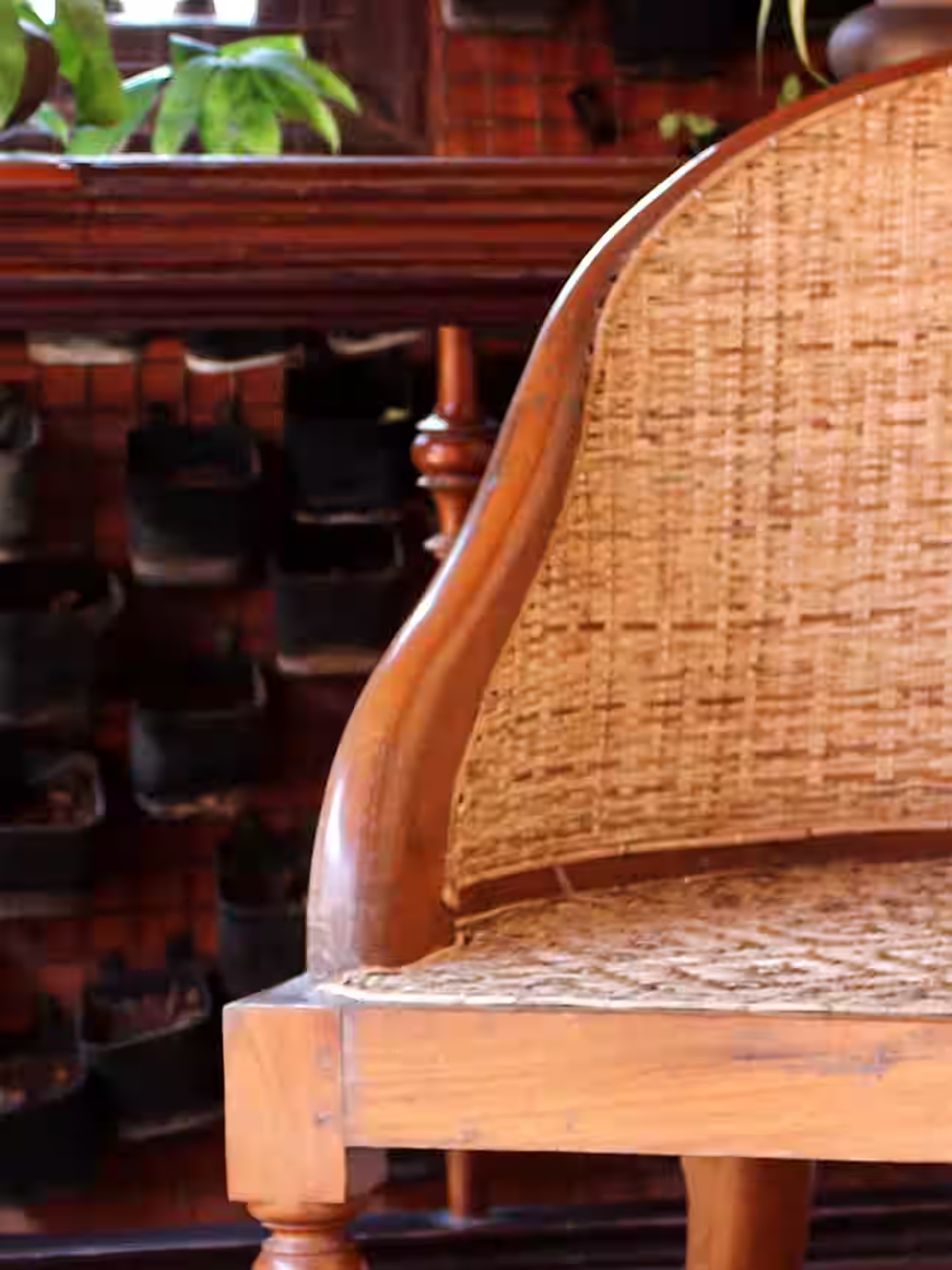
In a realm where sound retreats into the womb of silence, there exists a mandala of wood and breath — the Lunastra. Not merely carved, but chanted into being, it arises like a stotra (hymn) whispered beneath the banyan’s breath. The arch of its back mirrors the curve of Candrāvalī, the lunar crescent upon Shiva’s locks — and the seat, woven with cane, becomes a jāla of prāṇa, catching the soul in gentle breathwork. Each component is ritually turned, as in a yantra, calibrated to cosmic measure. It is not furniture; it is a śruti, a sacred verse in form — where the seated body becomes a listener, and the space around becomes a nāda, a resonant hush. Here, sitting is not rest — it is upāsana, sacred attendance. Let the Lunastra grace the corner of memory, the still center of a courtyard, or the inward gaze of a stone verandah — and in its silence, the moon shall sing. The Lunastra is a sanctified seat where poetry meets posture. Sculpted with a crescent-bent back that cradles like the halo of a night sky, and a woven cane body that breathes with every shifting shadow, it is not placed — it is invited. Each turned leg stands like a stambha of hymnal rhythm; the curved arms are river-bends for resting hands, holding the memory of rain-wet fingers, quiet conversations, and contemplative sips. Crafted in wood that listens and cane that sings, this chair becomes the altar of quietude. Not an object, but a ritual presence — for homes where silence is sacred, and stillness, divine.
Each component reflects a story of devotion, culture, and skilled hands
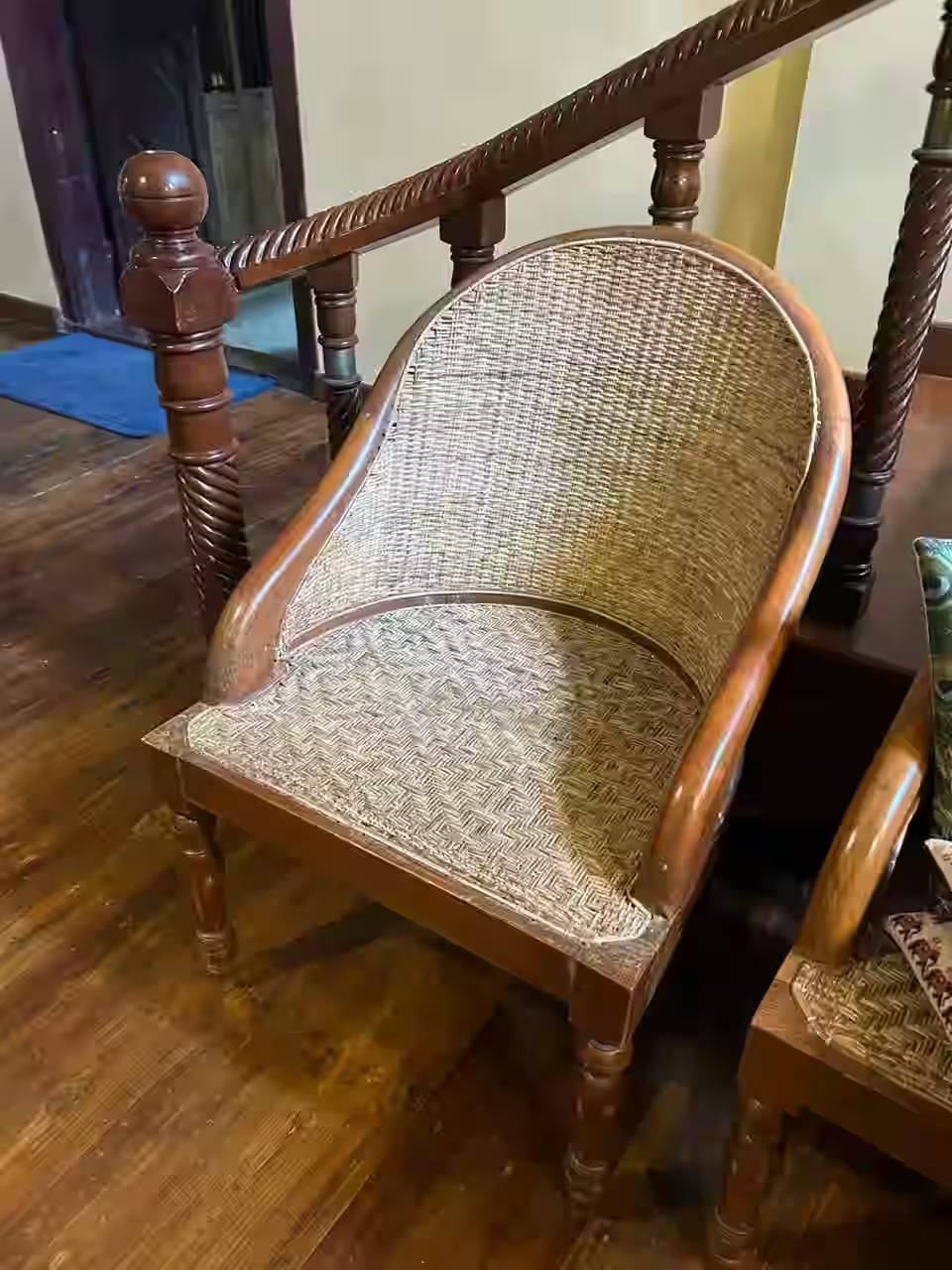
A crescent-shaped crown, like the kalā (digit) of the waxing moon gently cradling the spine. It is the visual mantra of refuge — curving like the arc of devotion itself. This is not merely a curve but a chandra-maṇḍala, a halo of cool illumination that protects the sanctity of the inner being. It transforms the act of sitting into an embrace by the cosmos, echoing the nocturnal stillness of ancient shrines and the gentle pull of the tide inside the soul.
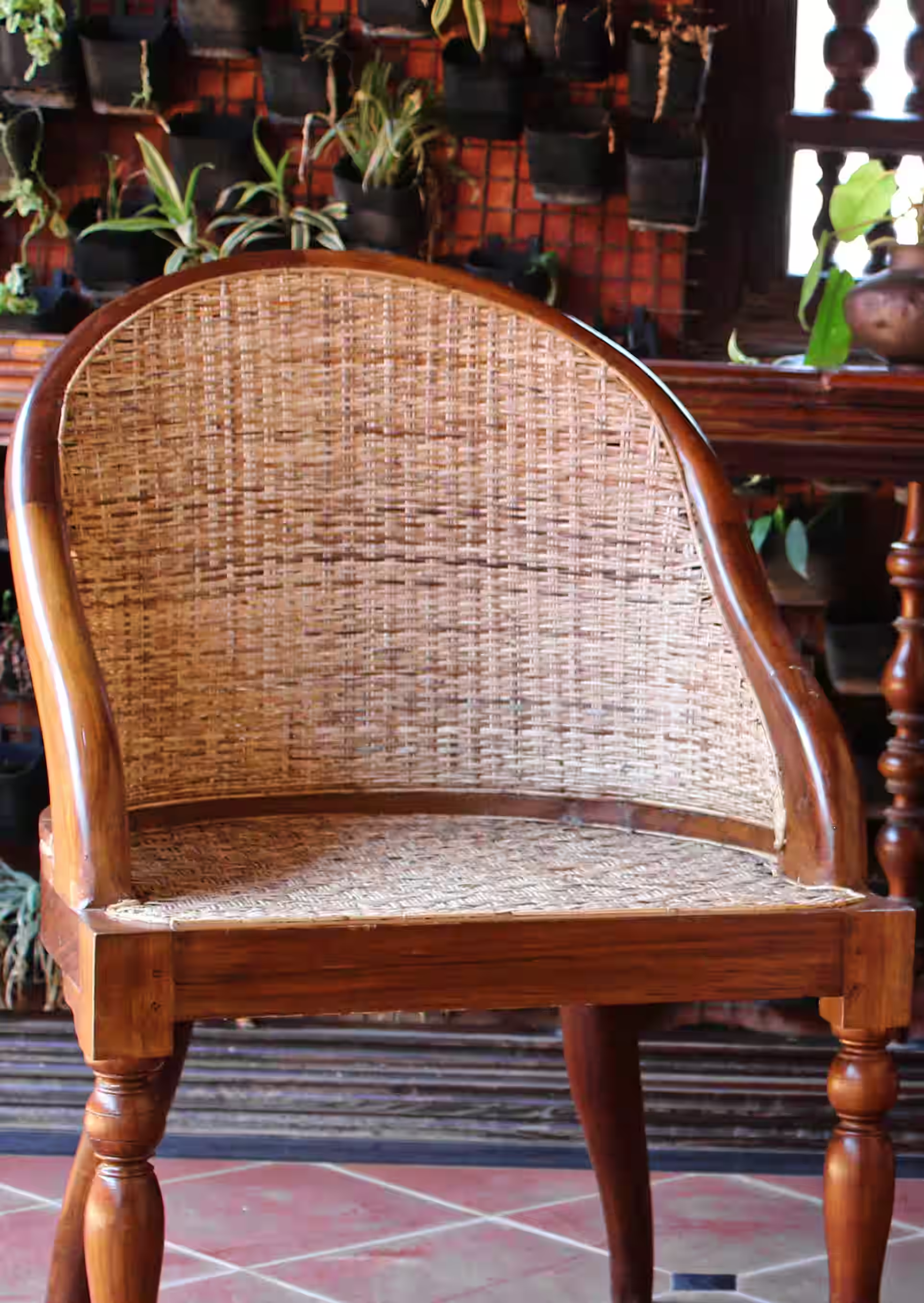
A weave not of material but of air and presence. Each cane strand vibrates like a nāḍi — a spiritual channel, tuned to the cadence of the body’s breath. The interlace is a hymn without syllables, a sacred net that catches stillness. Like the palm-leaf manuscripts of yore, this surface holds unspoken scriptures: the hush after a chant, the lingering memory of a grandmother’s voice, the tactile echo of monsoon lullabies. It is both support and offering — an āśraya of memory and silence.
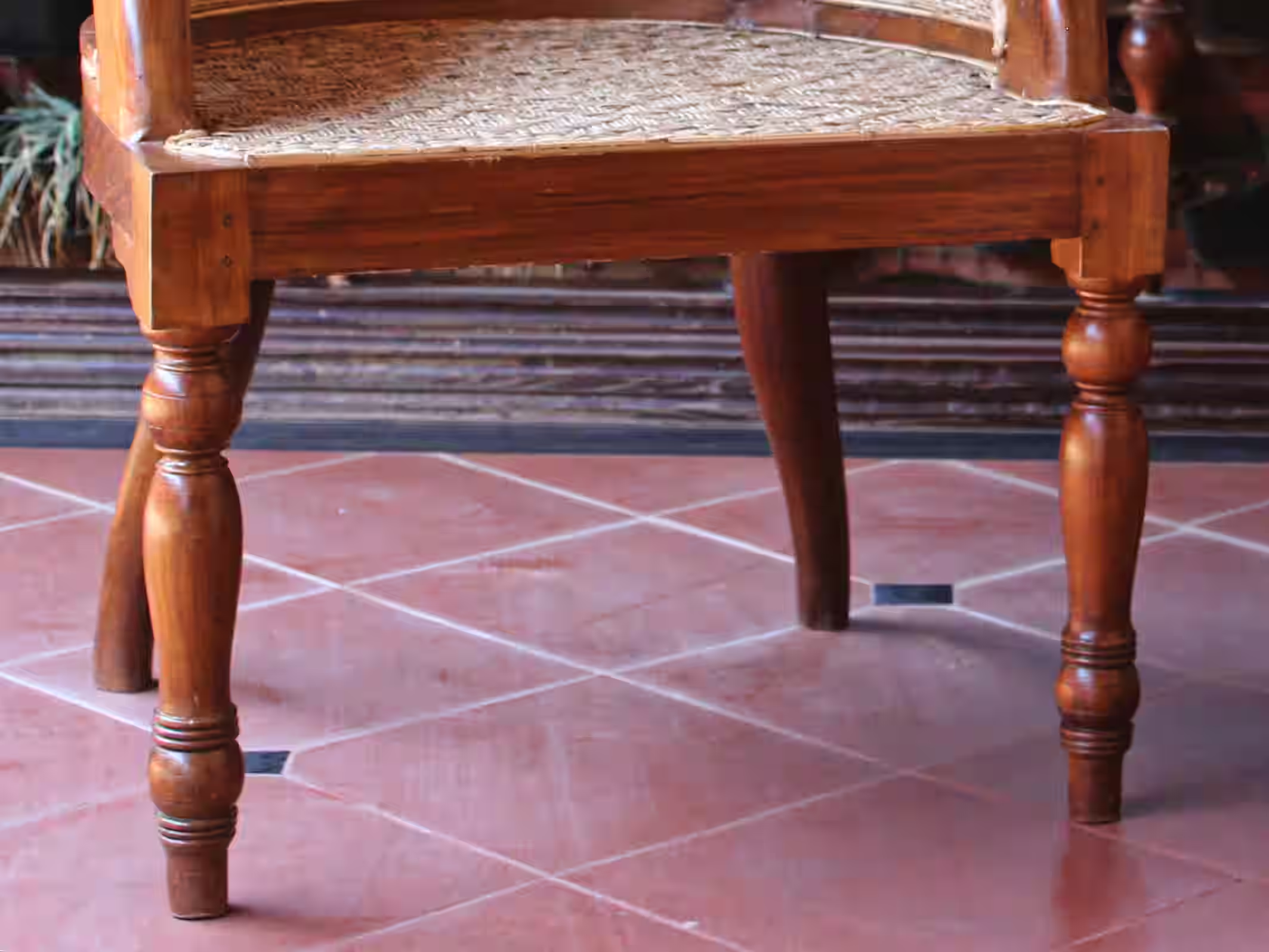
These legs are not mere supports — they are dhvani-stambhāḥ, pillars of resonant stillness. As temple pillars uphold the weight of sacred space, these bear the spiritual weight of repose. They are turned in rhythm, recalling the poetic meter (chandas) of Vedic hymns — crafted in tala (rhythmic beat) and māna (measure). Each leg becomes a mantra in wood: strong, upright, quiet — connecting heaven to earth like the yajña-vedi (ritual altar posts).
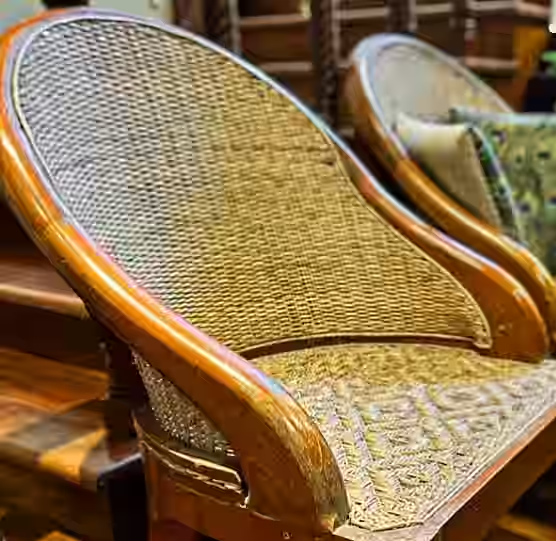
Sculpted to curve like sacred rivers — these armrests are touch-paths (sparśa-mārga) that have known the warmth of resting hands, books opened in reverence, cups held in twilight, and fingers folded in contemplation. They are nādī-like extensions of presence — flowing with stored caress, echoing the riverbank where stillness gathers and reflections begin. They do not merely support the arms; they receive memories and return quietude.
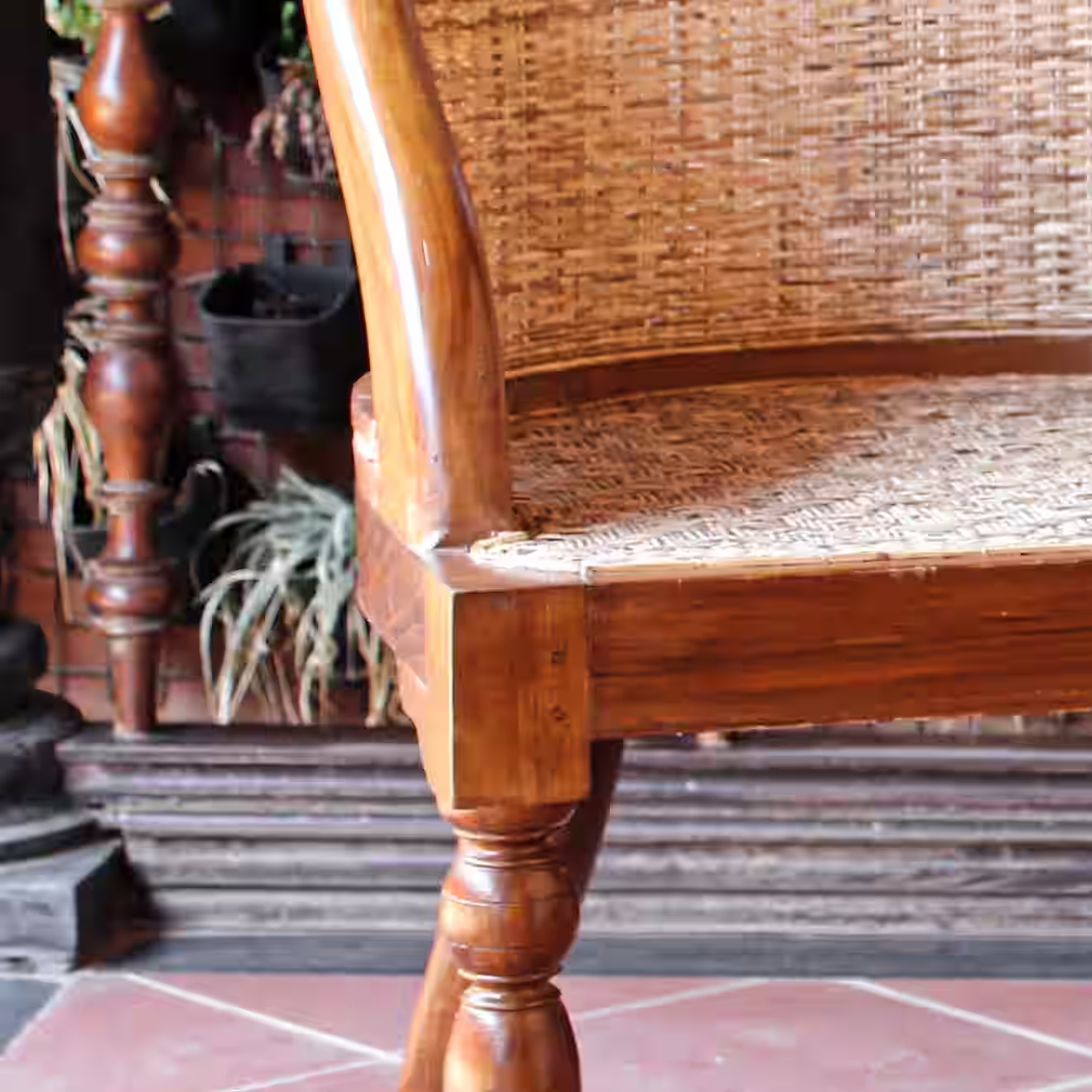
The rim that separates and unites — marking the boundary between the outer world and the sacred within. It is the rekha (line) of twilight, the sandhyā-kāla where opposites merge: light and dark, rest and alertness, day and contemplation. As the setting sun kisses the horizon, this edge invites the sitter to transition — not only into stillness but into awareness. A liminal space in wood — a yajña-bhūmi where presence becomes puṣpa (offering).
Subtle yet powerful, these twin rear supports rise like deepas (lamps) lighting the way in a temple courtyard. Though often unnoticed, they are the silent dharma-dvīpas — bearing the weight of equilibrium. Their form recalls balance — of body and breath, form and void, silence and sound. Just as two oil lamps flank the deity in a sanctum, these ensure symmetry of spirit, subtly harmonising the structure with the unseen rhythm of the space it occupies.
From sleek, modern designs that exude contemporary elegance to timeless classics that evoke warmth and nostalgia, our curated selection has something for every taste and lifestyle. Each piece is crafted with precision and care, ensuring both quality and durability.