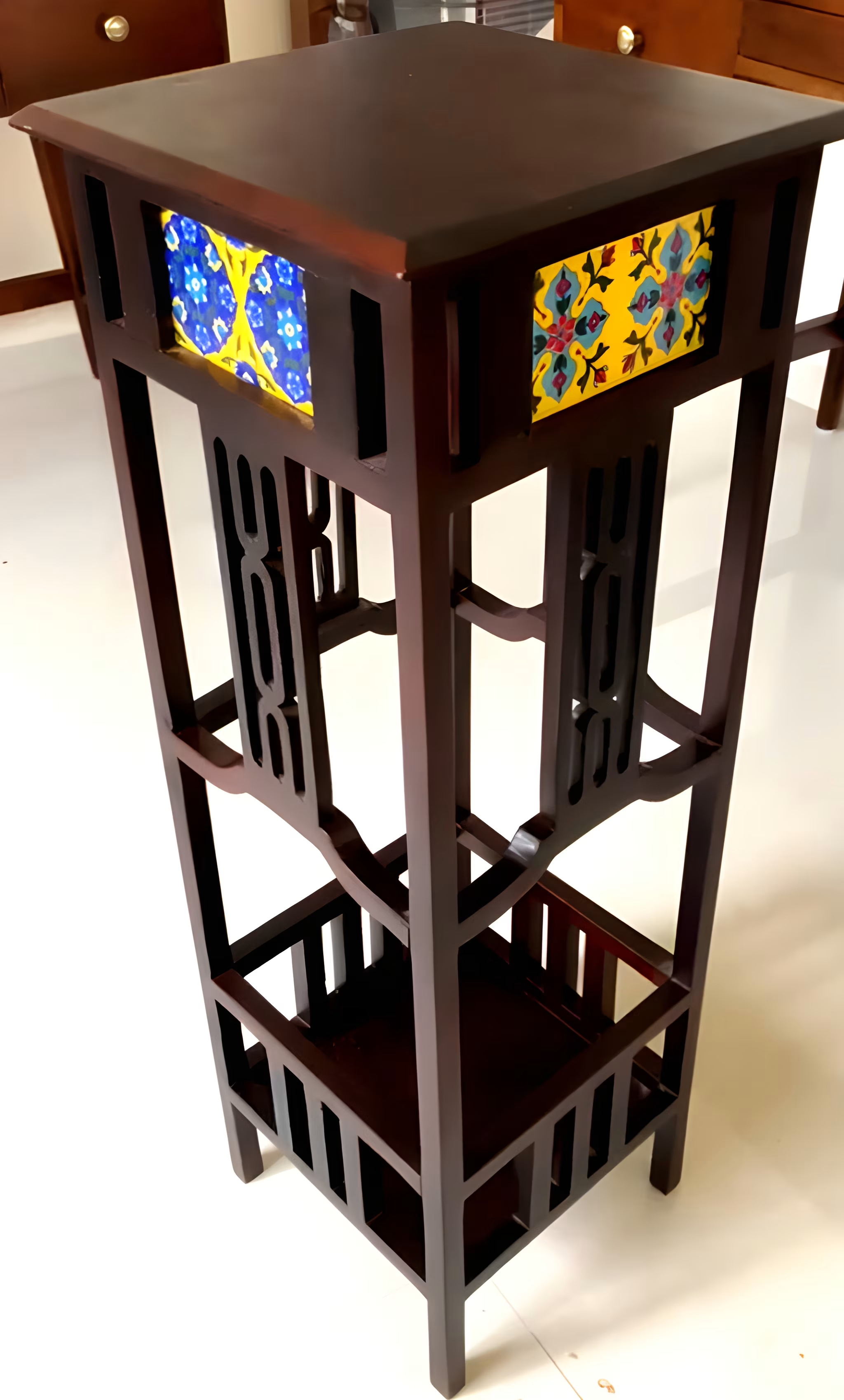
In the hushed corners of Kerala’s ancestral homes, one often finds a wooden platform — not towering, but quietly sacred — upon which lamps are lit, scriptures are placed, or brass vessels rest in glimmering stillness. These were not mere tables; they were elevations — modest yet spiritual ascents that turned the everyday into the divine. Aarohanika draws its essence from that cultural memory. It is not just a side table — it is a gesture of reverence in form. The name itself stems from the Sanskrit root “ārohana” (ascent or rising), with “-ika” adding grace and character. Together, Aarohanika becomes “she who ascends” — a pedestal that uplifts, both physically and symbolically. Handcrafted in teakwood and adorned with heritage tilework, this piece merges temple-inspired geometry with poetic detail. It is part pedestal, part sculpture — designed not just for function but to hold significance. Whether placed beside a lamp, beneath an idol, or next to a reading chair, Aarohanika transforms its setting with a quiet dignity that echoes old verandahs, pooja alcoves, and the lyrical lines of temple mandapas. Each line curves with purpose. Each tile sings with color. Each joint is invisibly strong — a tribute to the silent integrity of traditional South Indian carpentry. And in its layered form, one finds more than wood — one finds intention, elevation, offering.
Each component reflects a story of devotion, culture, and skilled hands
The flat, polished wooden surface at the very top of the side table — edged with clean bevels and a sturdy silhouette. A platform for treasured objects — lamps, books, incense holders. “Mēl" means above or upper, “Padam” means plane — evoking the idea of a sanctified platform, as in temple pedestals.
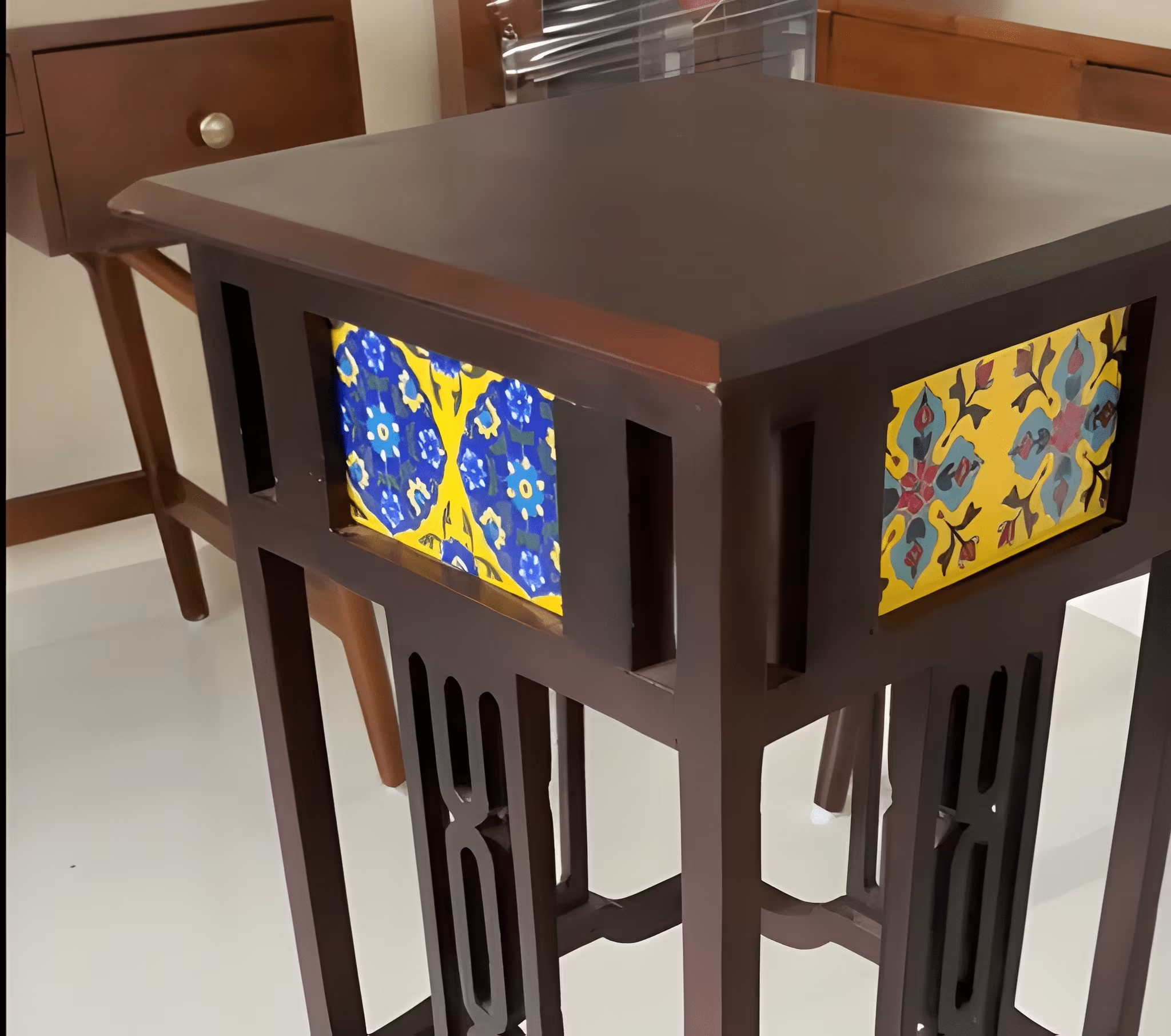
The side-facing ceramic tiles arranged in a linear rhythm, featuring floral, geometric, or folk motifs. Brings visual vibrancy to the piece. “Ranga” = color/performance; “Māla” = garland/sequence — together, this forms a ‘garland of color’ that animates the otherwise restrained design.

The carved outlines that wrap around each tile, acting as a protective and ornamental frame. Like a prabhavali around a deity, this detail gives importance and sacred context to each tile. “Chitra” means picture/artwork and “Valayam” means a ring or enclosure — a decorative embrace honoring the tile as sacred artwork.
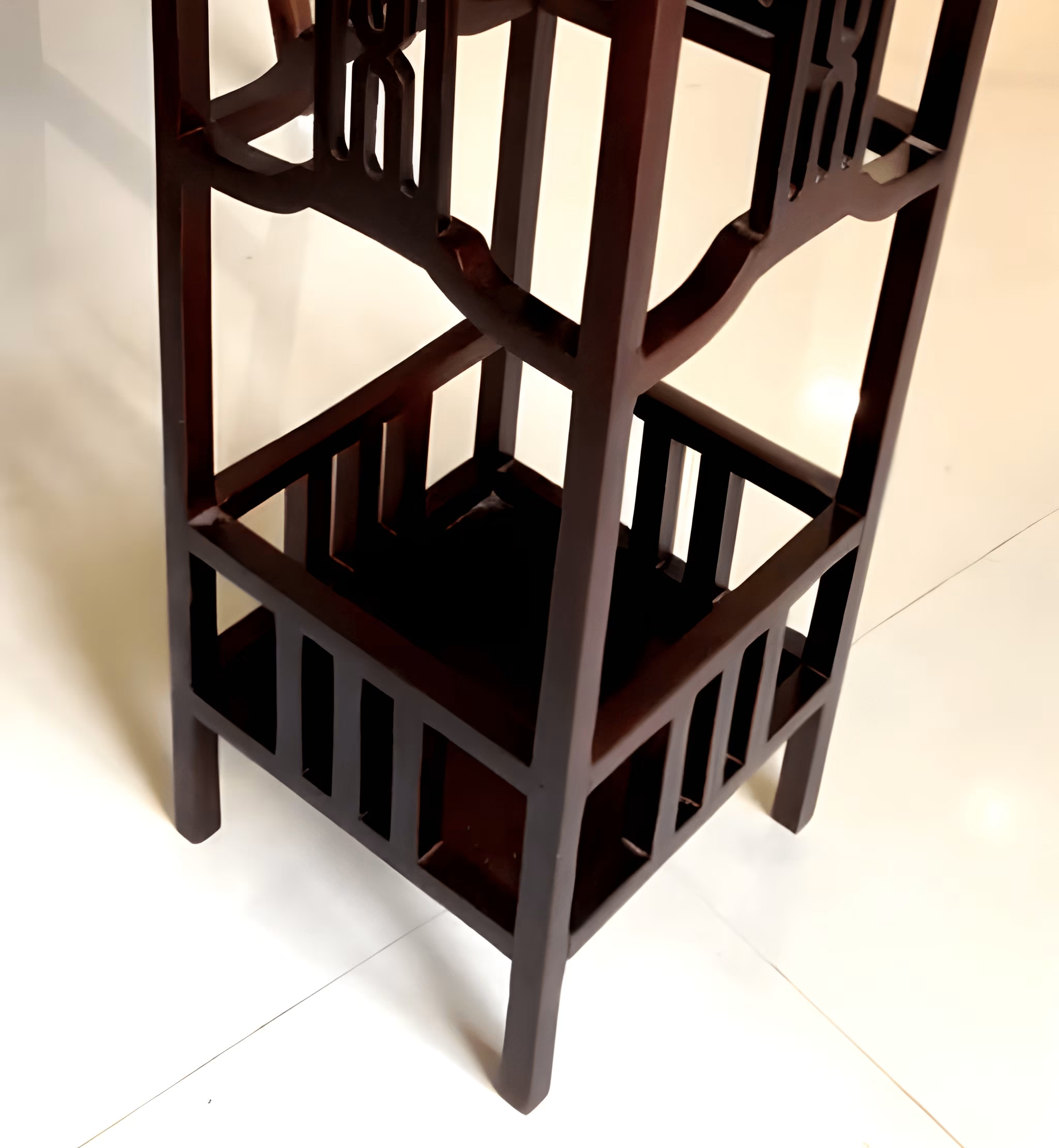
Vertical wooden supports flanking the body, with arched carvings reminiscent of temple steps. Gives structural elegance and a ceremonial flair — “Sōpāna” evokes the sacred steps to a shrine, and “Thuni” means post.
The rhythmic vertical slats that wrap around the lower tray or body — providing both ornament and gentle enclosure. Leela means divine play or effortless grace, and Jwālam means flicker or flame. Together, Leelajwālam suggests a dancing rhythm of lines, like light filtering through temple latticework. It evokes the poetic stillness of a jali screen, bringing breath and delicacy to the structure — not just fencing it, but allowing it to glow

The square tapered legs, steady and composed, with a slightly uplifted form. Balances the entire piece with poise. “Nila” = ground or standing, “Pādham” = foot — a poetic expression of something firmly planted yet light.
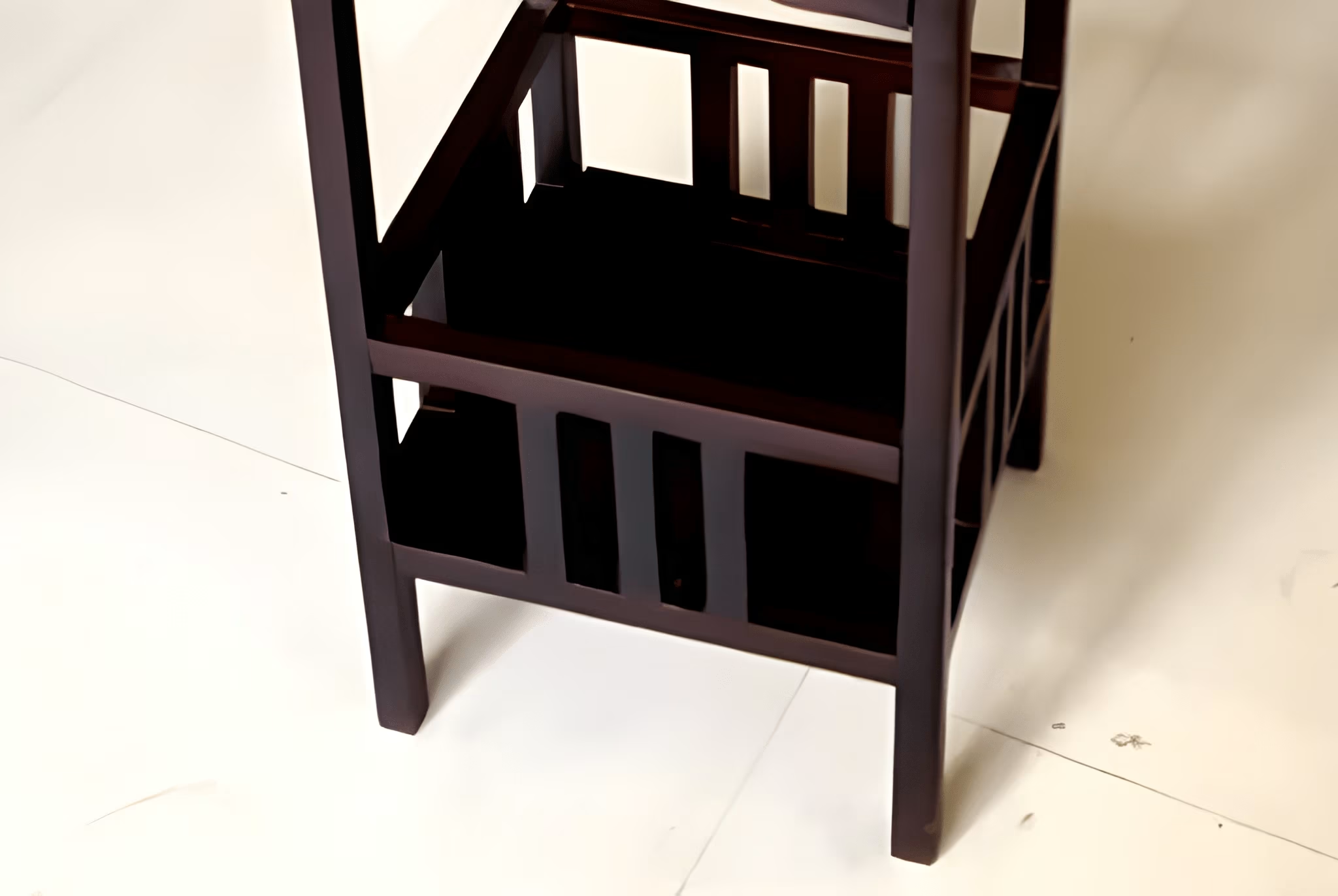
The recessed wooden shelf beneath the main frame, enclosed with a patterned railing. Offers concealed utility for books, trays, or essentials. “Mancha” means raised platform, and “Vēdi” is altar or pedestal — evoking reverence and stability.
From sleek, modern designs that exude contemporary elegance to timeless classics that evoke warmth and nostalgia, our curated selection has something for every taste and lifestyle. Each piece is crafted with precision and care, ensuring both quality and durability.