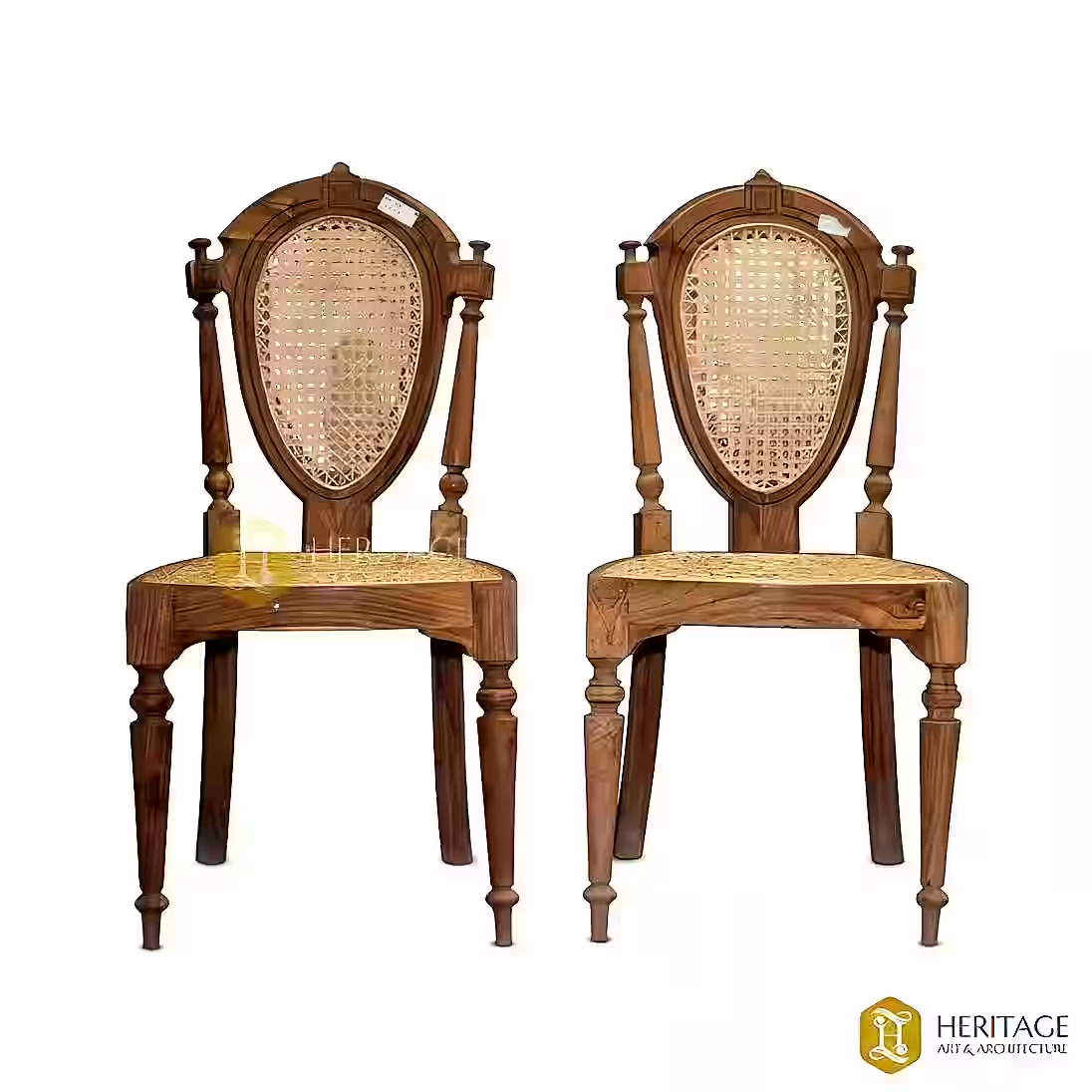
Alankara Chair is not built — it is composed, like a mantra chanted in wood and cane. Its curved medallion-like backrest is no ordinary structure but a sacred garland offered by the artisan’s hand to the spirit of the seat. Framed by carved columns and crowned with a sculpted crest, it becomes a living mandala of reverence. The cane weave, a rhythmic invocation, carries the breath of craft and patience. The legs, like temple pillars, uphold tradition not with weight, but with grace. Each turning, each fluting, is a syllable in this poetic scripture of design. To sit upon this throne is not merely to rest, but to be received — as one is received in the innermost sanctum of a shrine, with respect and sacred quiet. Crafted in seasoned teakwood (Śālavṛkṣa), Alankara Chair unites ceremonial design and daily functionality. The shield-shaped backrest (Alaṅkāramudrā/Garland Crest) is wrapped in handwoven cane bordered by sculptural wood contours, and surmounted by a crest (Maṅgalakīrti/Crown of Auspice). Twin columns (Stambhikā/Guardians of Order) flank the back like temple entrances, while the sculpted seat (Pīṭhaviśrāma/Pedestal of Ease) curves gently to hold the form of the sitter. The turned, fluted legs (Samarastambha/Rhythmic Bearers) are harmoniously proportioned, echoing the harmony of Kerala temple pillars. Finished in a rich natural tone, this chair celebrates Indian tradition and is a timeless companion to spaces of meditation, ceremony, or hospitality.
Each component reflects a story of devotion, culture, and skilled hands
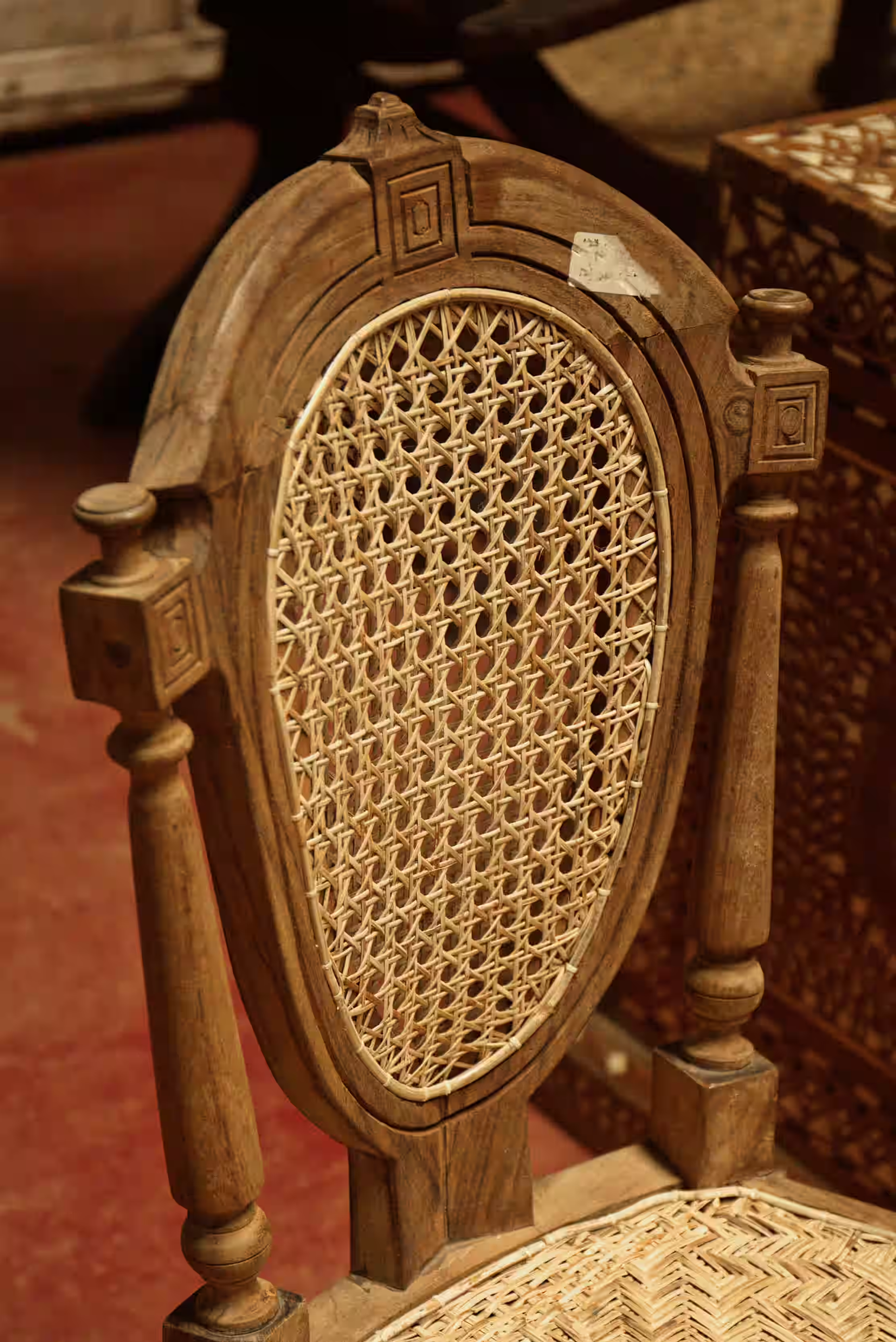
The backrest, curved like a garland, forms a sanctified mandala behind the sitter — not only offering physical support, but symbolizing an aura of honor encircling the self. The cane weave signifies humility and time-bound craft, while the shape marks a divine seal — the mudrā of graceful welcome.
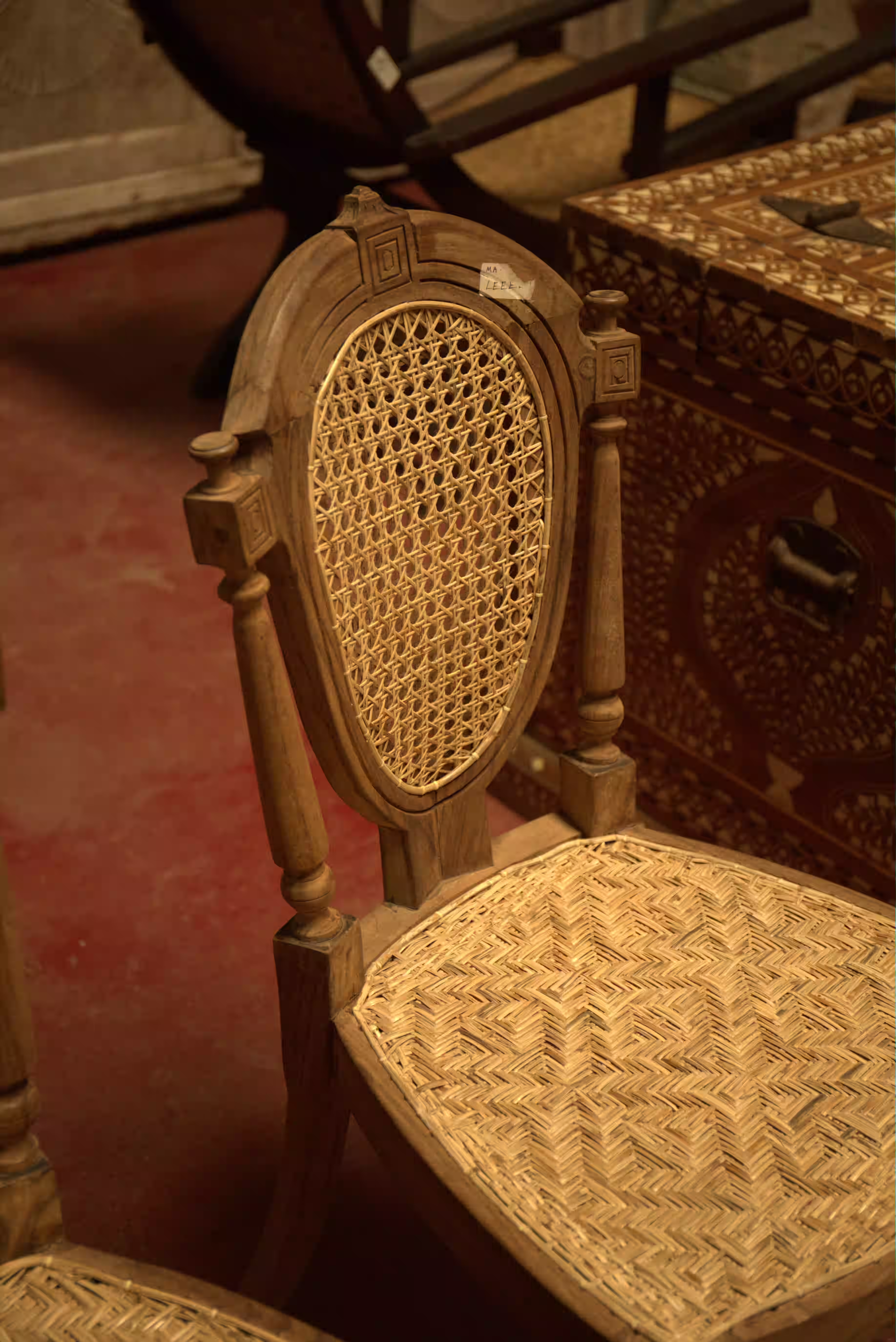
Positioned at the zenith, the crest resembles the ornamental kīrti-mukha of temple towers — warding away disharmony while proclaiming auspiciousness. It is the forehead of the chair — a declaration of sacred intent and ceremonial authority, silently guarding the one who is seated.
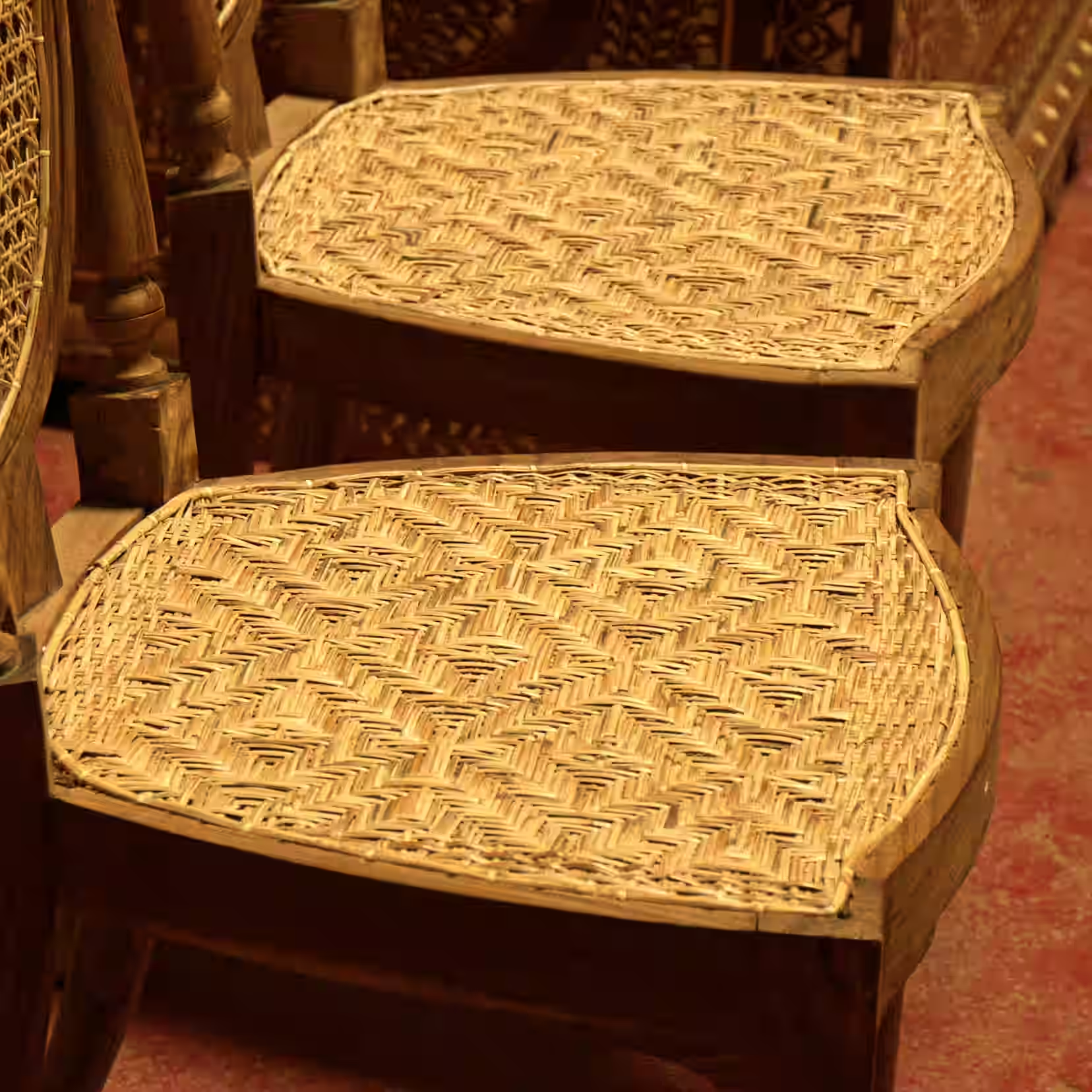
The gently contoured seat invites not just the body but also the breath to rest — like sitting on a stone sanctum cooled by time and sanctity. It represents the earth element — grounding the sitter in poise and serenity, connecting them to a deeper stillness beyond comfort.
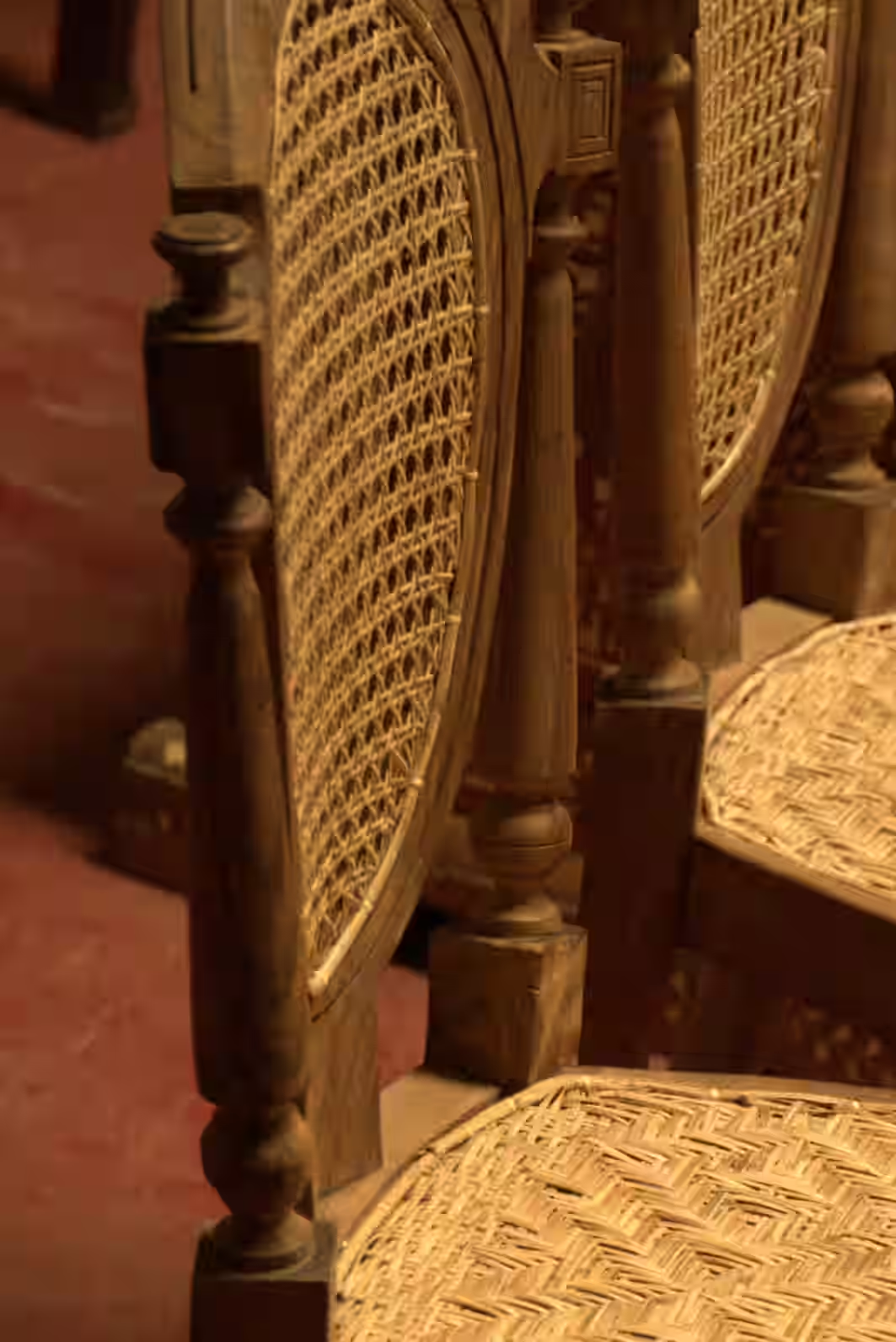
These twin vertical forms resemble dwarapālakas — symbolic guardians at temple thresholds. They assert balance, symmetry, and silent vigilance. Not merely ornamental, they stand as reminders that beauty is not chaos but composed rhythm rooted in dharma and discipline.
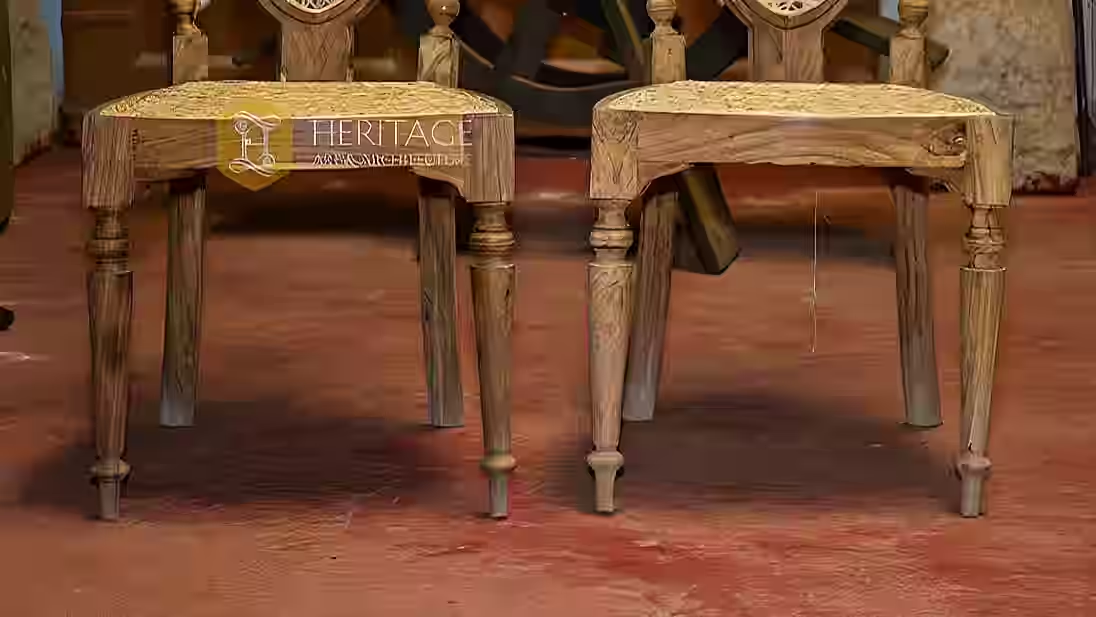
Carved with rhythmic intervals, each leg resembles the mridanga or veena column — suggesting motion within stillness. They bear the weight of the structure like the four Vedas hold the seat of knowledge — firm, proportionate, and blessed with inner music.
From sleek, modern designs that exude contemporary elegance to timeless classics that evoke warmth and nostalgia, our curated selection has something for every taste and lifestyle. Each piece is crafted with precision and care, ensuring both quality and durability.