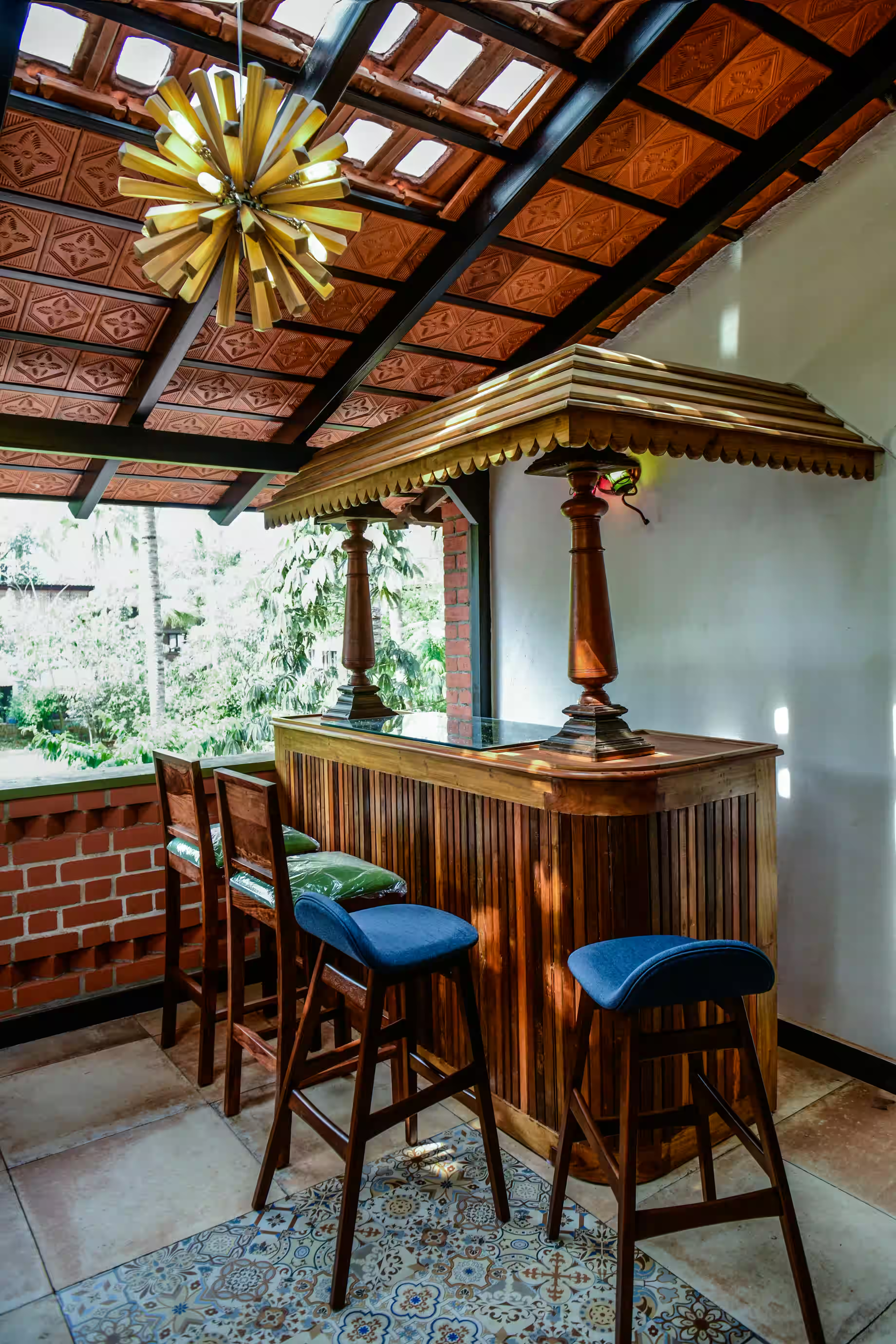
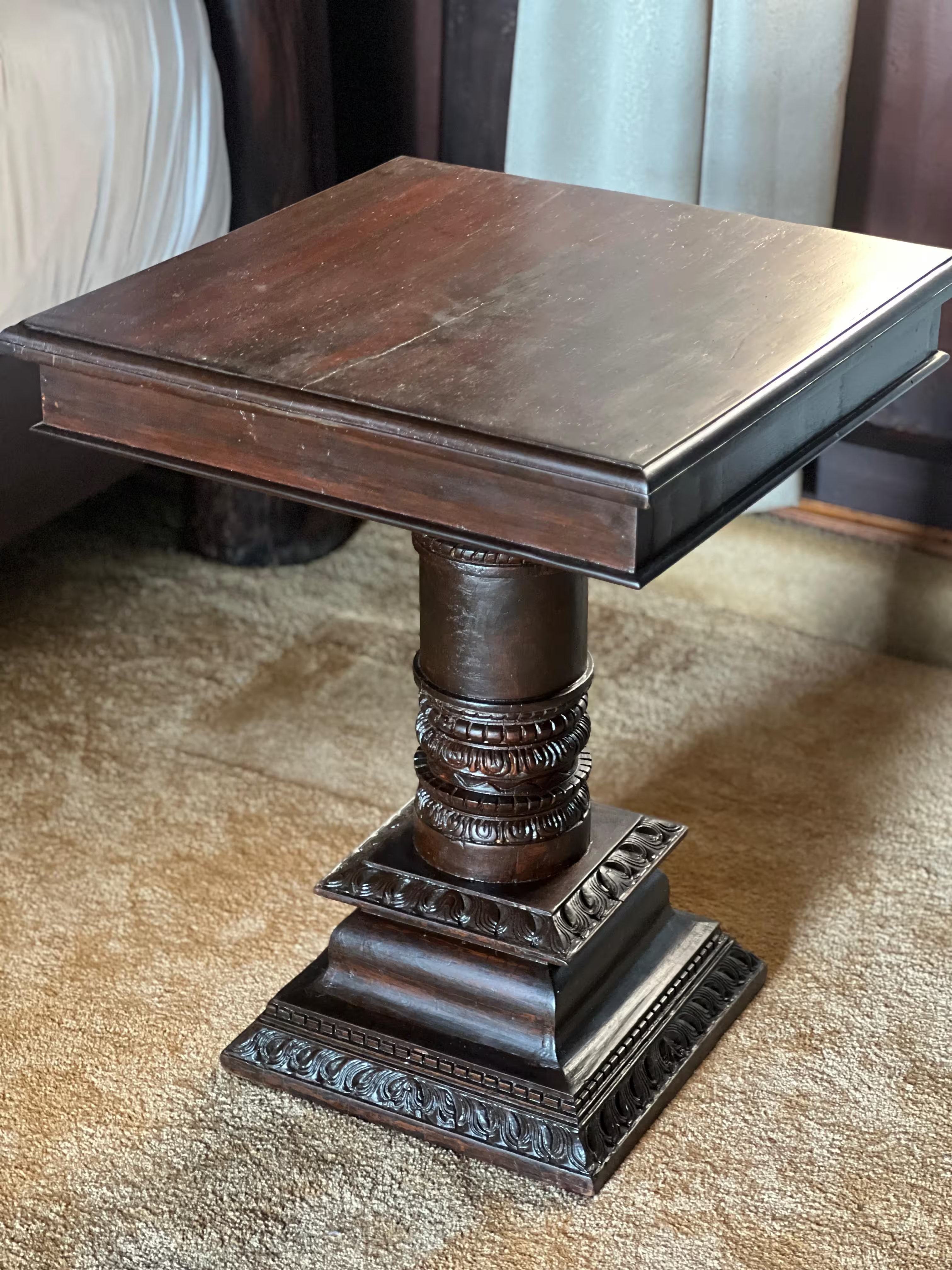
The AmaraKutira Kitchen Ensemble is more than a utilitarian cooking space—it is a sanctuary where tradition meets modern comfort. Amara (immortal) and Kutira (dwelling) together signify a home that nurtures generations, while Aashapura echoes fulfillment and abundance. This ensemble is crafted as a holistic environment where every component—cabinets, counters, and utilities—works in harmony, much like the coordinated rhythms of a Kerala tharavad household. The design balances warm wooden textures, gleaming quartz surfaces, and metallic accents to create an atmosphere of both elegance and resilience. Its structure draws inspiration from Kerala’s nalukettu architecture, where function and symbolism coexist—protective shutters, grounded storage, and a central hearth echoing fire rituals. Practicality has not been compromised for beauty: soft-close drawers glide effortlessly, countertops resist daily wear, and each unit is designed for ergonomics, storage efficiency, and easy upkeep. Beyond being a kitchen, this ensemble becomes the home’s sacred core, a place of nourishment, gatherings, and timeless continuity—where every meal tells a story of heritage and care.
Each component reflects a story of devotion, culture, and skilled hands

The term “VedaPatra” combines Veda (sacred knowledge) with Patra (leaf, manuscript, or covering). These shutters act as the protective leaves of knowledge, guarding the treasures within—your spices, glassware, or daily essentials. Crafted in warm walnut-finish wood, their solid, flat panels bring timeless dignity to the kitchen, reminiscent of Kerala’s nalukettu doors. The sturdy handles in muted brass tones ensure ergonomic use while resisting daily wear.

NavaGrah refers to the nine celestial forces that influence harmony in life. These drawers mirror that concept by organizing essentials into structured compartments—spices, utensils, pans, and tools, each finding its rightful place. The smooth glide system (Hettich) ensures quiet dignity, much like temple chariots rolling seamlessly on stone paths. The rich wooden faceplates radiate warmth, while brass handles provide a tactile, grounded grip. Over time, they gain a patina that tells stories of shared meals and family gatherings, much like antique chests passed down through generations. Care involves occasional oil polishing to maintain both strength and radiance.

Shweta means white, and Shila means stone. The pristine quartz surface serves as both a working arena and a ceremonial altar where ingredients transform into meals. It embodies purity and clarity, reminding one of white granite floors seen in Kerala temples. The surface is resilient to stains, easy to clean, and withstands the heat and rhythm of cooking, symbolizing balance between aesthetics and functionality.

Here, Agni (sacred fire) joins Kosha (vessel). This is the modern-day hearth—sleek black glass with silver burners. Its ergonomic knobs offer precision control, while cast-iron trivets ensure durability. It becomes the kitchen’s sacred flame, connecting the modern cook to ancient fire rituals that honored Agni as the messenger between humans and gods.

Jala means water, and Kund means sacred pond. The deep black sink is more than a utility—it is a symbolic pond where utensils are renewed with cleanliness. Its modern design with chrome faucet ensures ergonomic comfort, while dish racks echo the orderliness of Kerala households where vessels gleam in neat rows. The water purifier beside strengthens this symbolism of purity and health.
From sleek, modern designs that exude contemporary elegance to timeless classics that evoke warmth and nostalgia, our curated selection has something for every taste and lifestyle. Each piece is crafted with precision and care, ensuring both quality and durability.