📖 Storytelling (Extended) In the tradition of creating sacred spaces within the home, the "Divya Samgraha Sanctum" embodies the aspiration to bring the essence of a temple into daily life. It represents a carefully curated assembly of divine elements, whether it be idols, religious texts, or other sacred items, meticulously arranged to foster a profound connection with the divine. This sanctum becomes a focal point for the family's spiritual journey, a place where prayers are offered, meditations are performed, and the divine presence is invoked, thereby transforming the mundane into the sacred and reminding inhabitants of their spiritual heritage and purpose. Handcrafted, often from fine wood or other natural materials, a Divya Samgraha Sanctum unit is designed to house and display sacred artifacts. The intricate carvings and traditional aesthetics reflect the rich cultural heritage of devotional art. Its design typically includes multiple tiers or compartments for various deities or ritual items, with a central, prominent space for the primary object of worship, such as the Rama Parivara as seen in the accompanying image. The Material Craftsmanship Crafted from durable and aesthetically pleasing materials like teakwood, marble, or metal, often adorned with traditional carvings or modern, sleek finishes. The Design Style Reflects traditional Indian architectural and devotional aesthetics, incorporating elements found in temple mandapas, or can be adapted for modern homes with minimalistic designs. The Spiritual Use Serves as a central home altar for daily pujas, meditations, and the offering of prayers, providing a dedicated space for spiritual focus. Symbolic Resonance of The sanctum embodies the presence of the divine within the home, providing a constant source of positive energy, protection, and spiritual upliftment, fostering a harmonious and blessed living environment.
Each component reflects a story of devotion, culture, and skilled hands
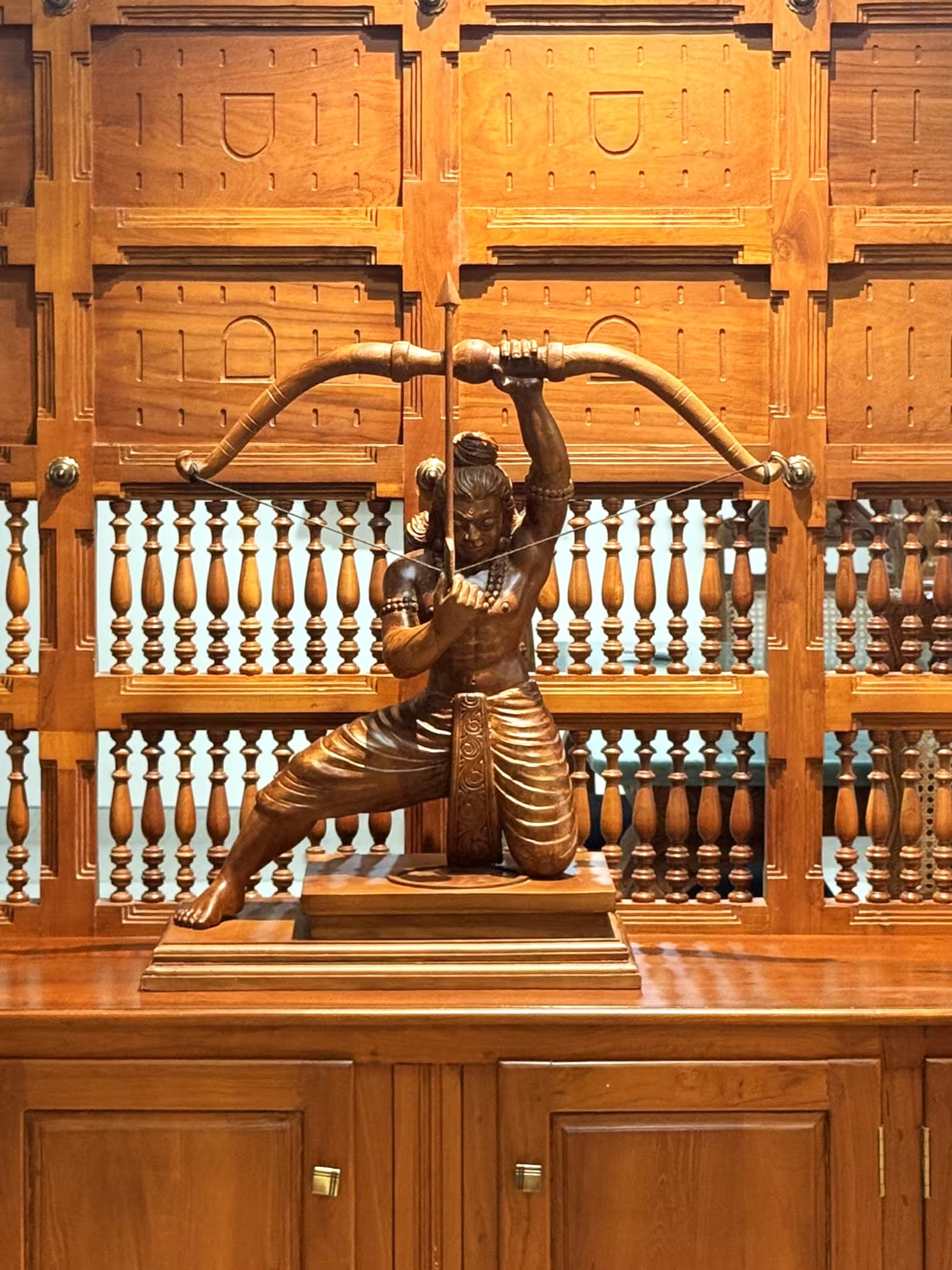
The central statue, likely depicting Arjuna, Rama, or a similar divine archer, symbolizes strength, precision, and upholding Dharma.
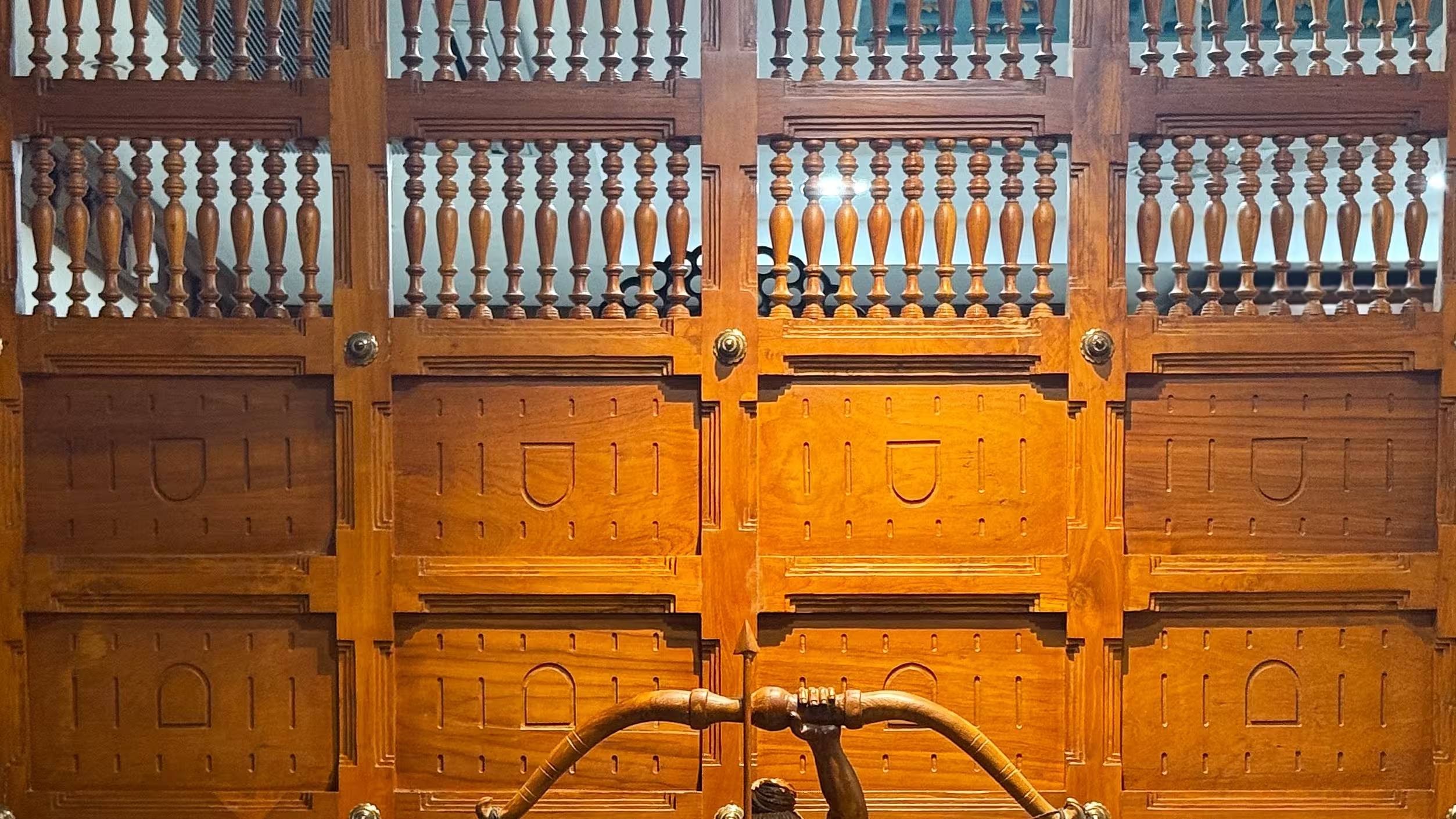
The horizontal panels with carved designs may depict deities, symbols, or narrative scenes, adding to the sacred narrative of the temple.
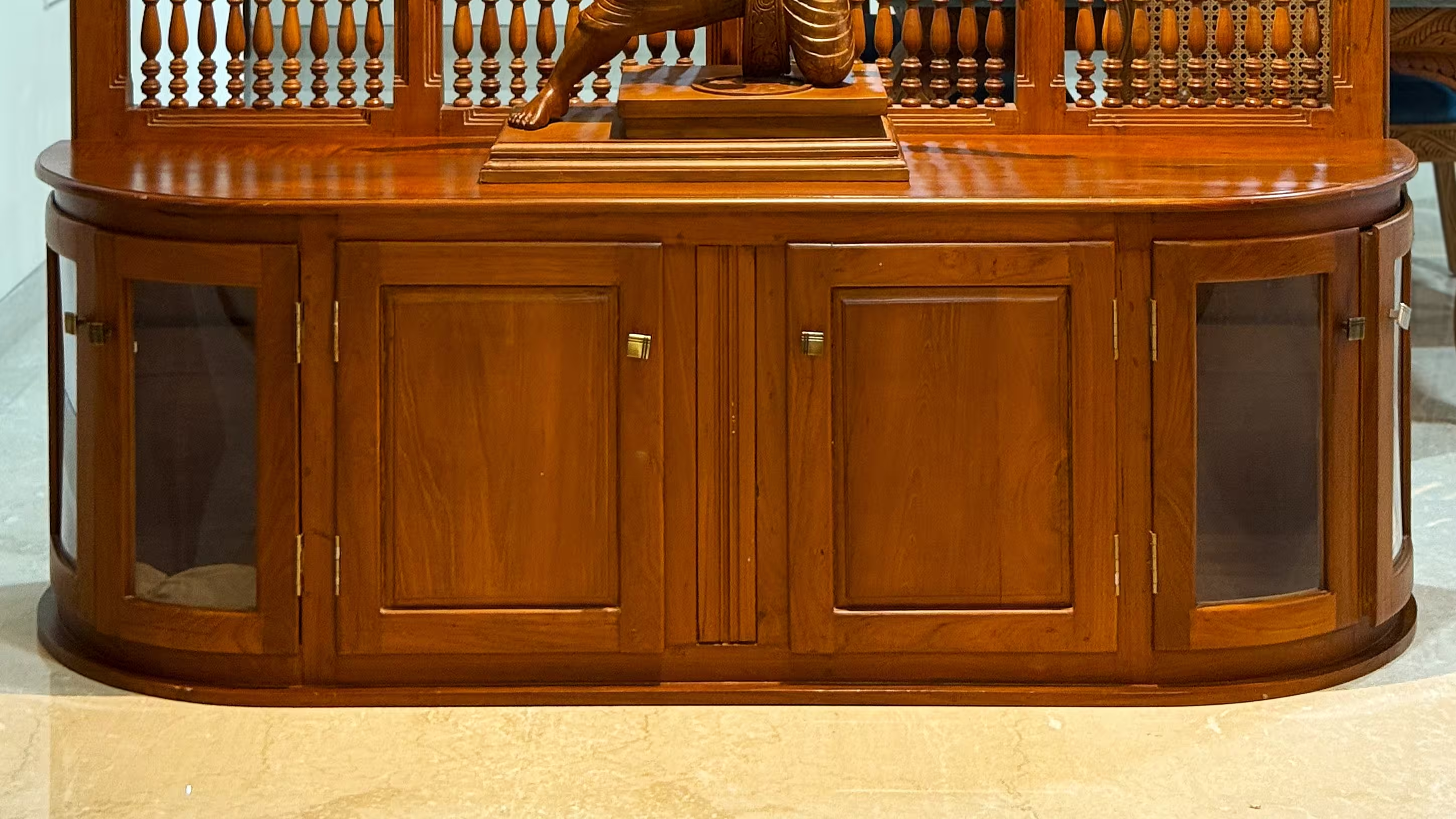
The closed cabinets at the base of the mandir provide storage for puja essentials, incense, lamps, and other religious items, keeping the space organized.
The side compartments with glass doors display smaller idols, sacred texts, or other cherished items while protecting them from dust.
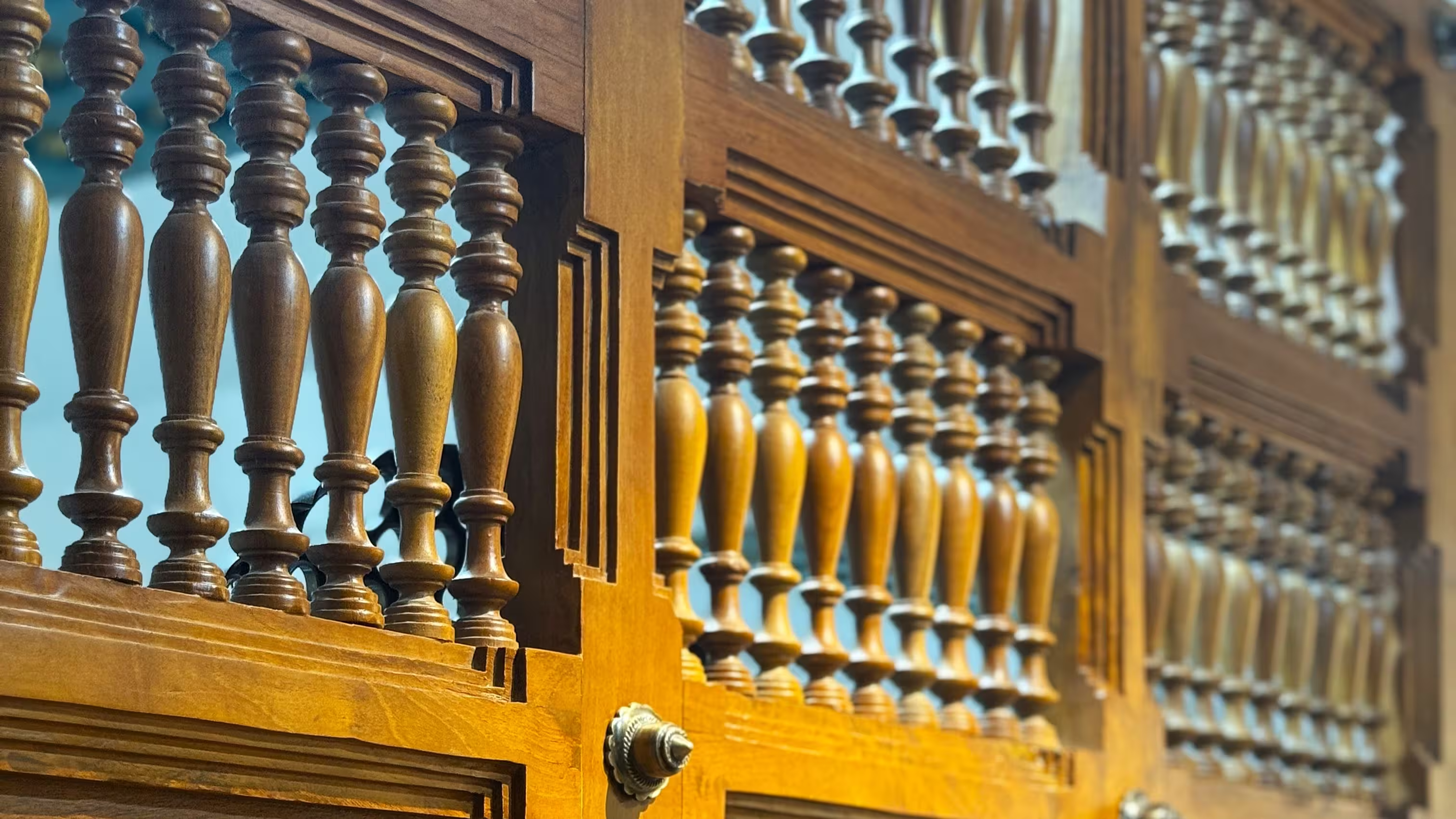
The structural vertical elements within the carved panels symbolize stability, strength, and the foundational principles of spirituality.
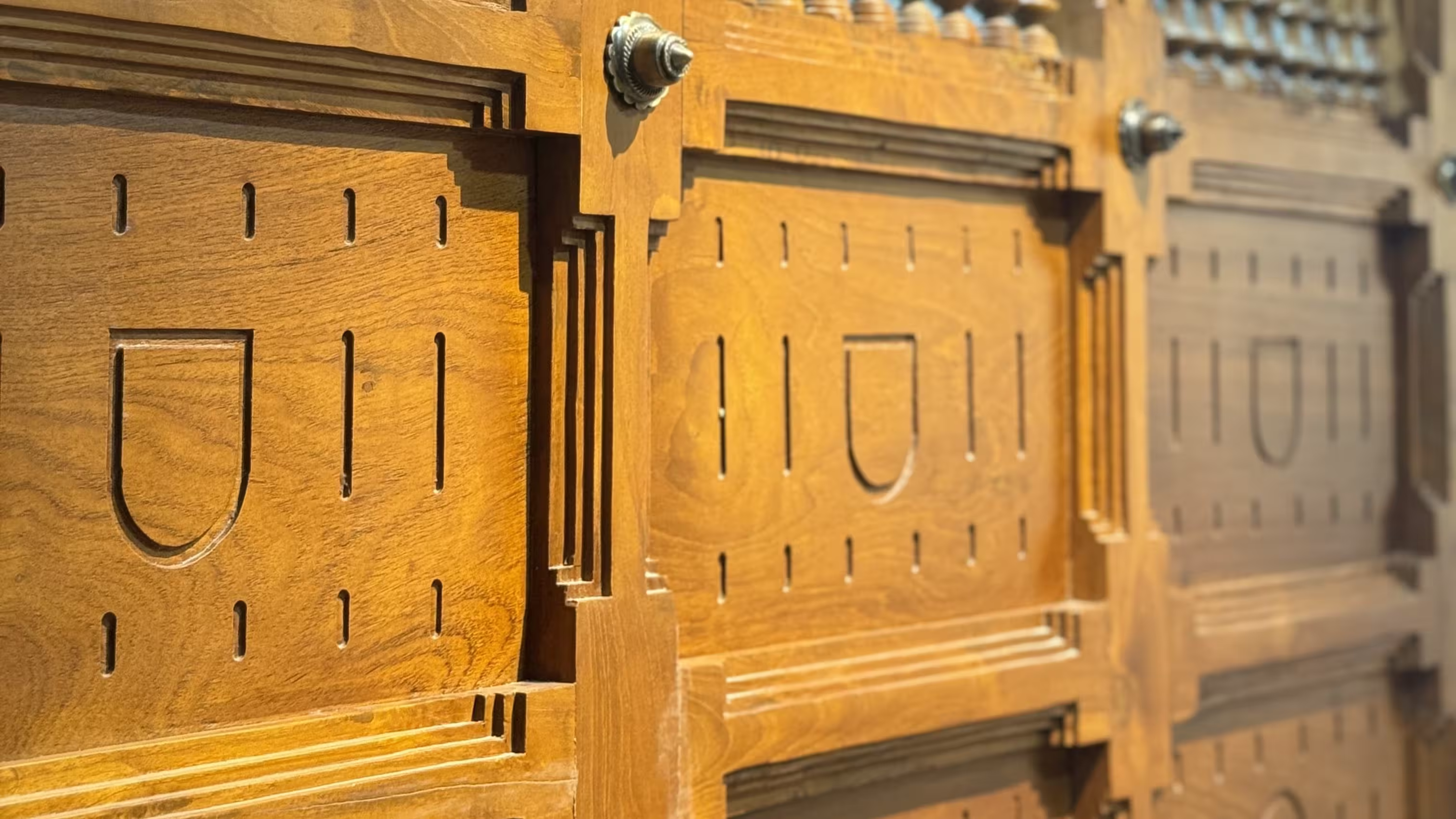
The ornamental bands divide different sections of the temple structure, adding architectural detail and visual coherence.
From sleek, modern designs that exude contemporary elegance to timeless classics that evoke warmth and nostalgia, our curated selection has something for every taste and lifestyle. Each piece is crafted with precision and care, ensuring both quality and durability.