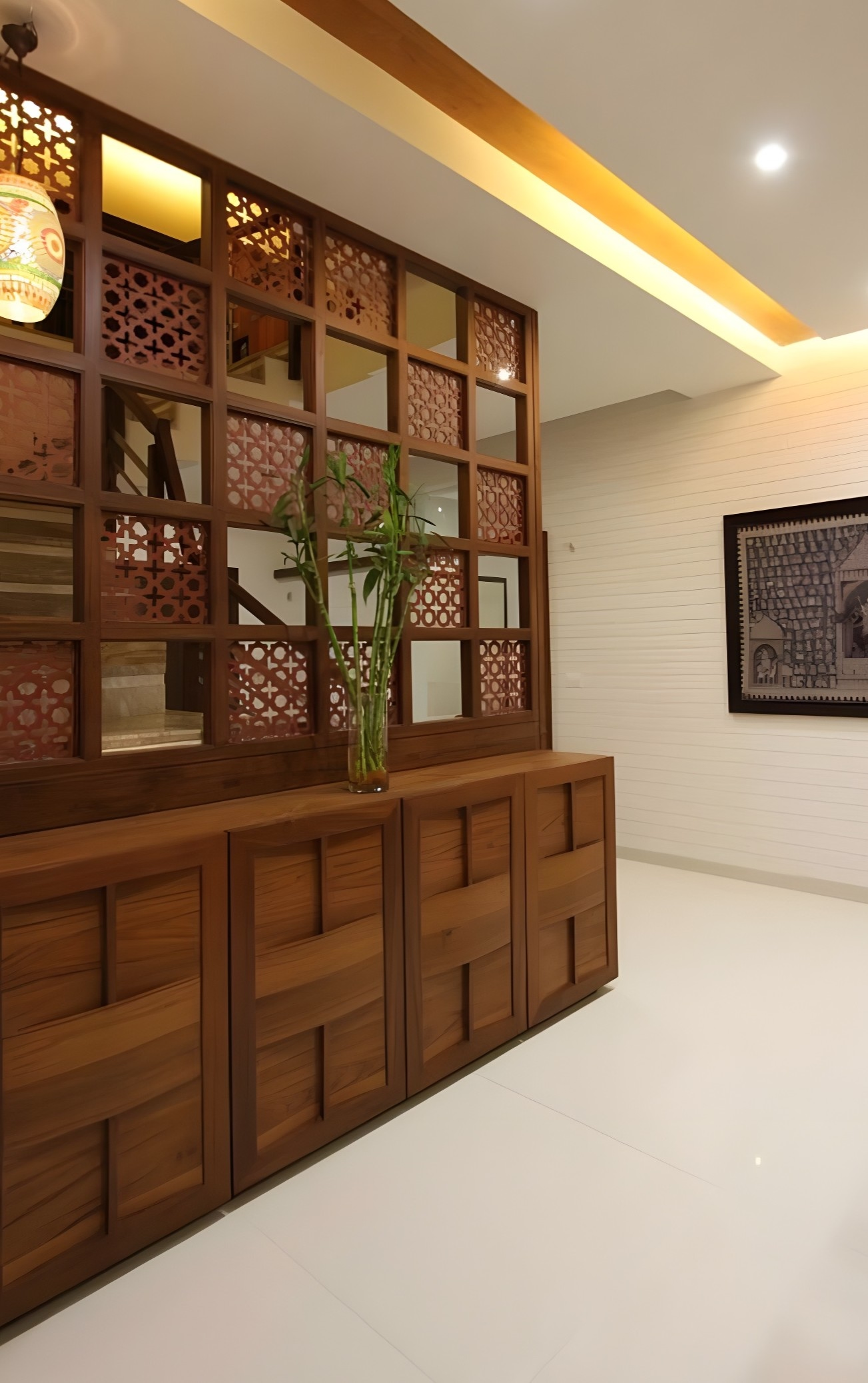
Pāvanika — Where Separation Becomes Sacred In the architecture of the old world, walls did not divide — they whispered. Screens did not conceal — they revealed. And furniture was not simply made — it was meant. Pāvanika is the embodiment of this timeless principle. Handcrafted from richly grained seasoned teakwood, Pāvanika is not merely a partition. It is a vessel of air, light, and layered memory. Inspired by the latticed wooden screens of South Indian homes, temple railings, and the altars that grounded ancestral spaces, this creation offers something far greater than function — it offers ritual. In its upper half, a delicately carved wooden grid breathes, not blocks. Each slender slat is placed with meditative precision — framed by rhythmic tile insets of clay red and glinting mirror shards. As light pours through, it dances across your floors and walls — filtering time into textures. It evokes the jali screens of Rajasthani palaces, the clay-tiled portals of Kerala nalukettu homes, and the mirror-inlaid sanctums of Tamil Nadu temples. No two shadows are ever the same. The screen becomes a theatre — of mornings and sunsets, of silences and celebrations. Below, the solid wood base is both altar and anchor. Shaped like a grounded plinth or the threshold of a sanctum, it holds drawers and compartments sculpted with care — offering storage not as an afterthought, but as a gesture of offerings. Whether it holds incense boxes, books, keys, or sacred lamps, it becomes part of the daily rhythm of life — unobtrusive, dignified, essential. But more than its parts, Pāvanika is a philosophy in form. It believes that a division need not feel like separation. That furniture can create pause without creating rupture. That within a modern interior, there can still exist sacred edges — where space turns poetic, where movement slows, where life transitions softly from one moment to another. Place Pāvanika at the entrance of your home — and it becomes your first gesture of welcome. Place it between a staircase and a hall — and it turns chaos into choreography. Place it behind a pooja corner or console — and it elevates the mundane to the meaningful. Every beam, joint, and tile is handcrafted. Every inch polished by hand. Every line drawn from a lineage of woodcraft that spans centuries — yet made afresh for contemporary homes. It blends the language of traditional Indian homes with the sensibility of quiet luxury — poised to belong in a Kerala bungalow, a Goa courtyard villa, or a minimalist villa in California alike. Pāvanika is not for rooms that need filling. It is for spaces that seek soul. It is for architects, designers, and dwellers who know that how we divide space… is how we shape presence. This is not just a partition. It is a story screen. A light-catcher. A sanctifier. This is Pāvanika — where tradition breathes, and separation becomes sacred.
Each component reflects a story of devotion, culture, and skilled hands
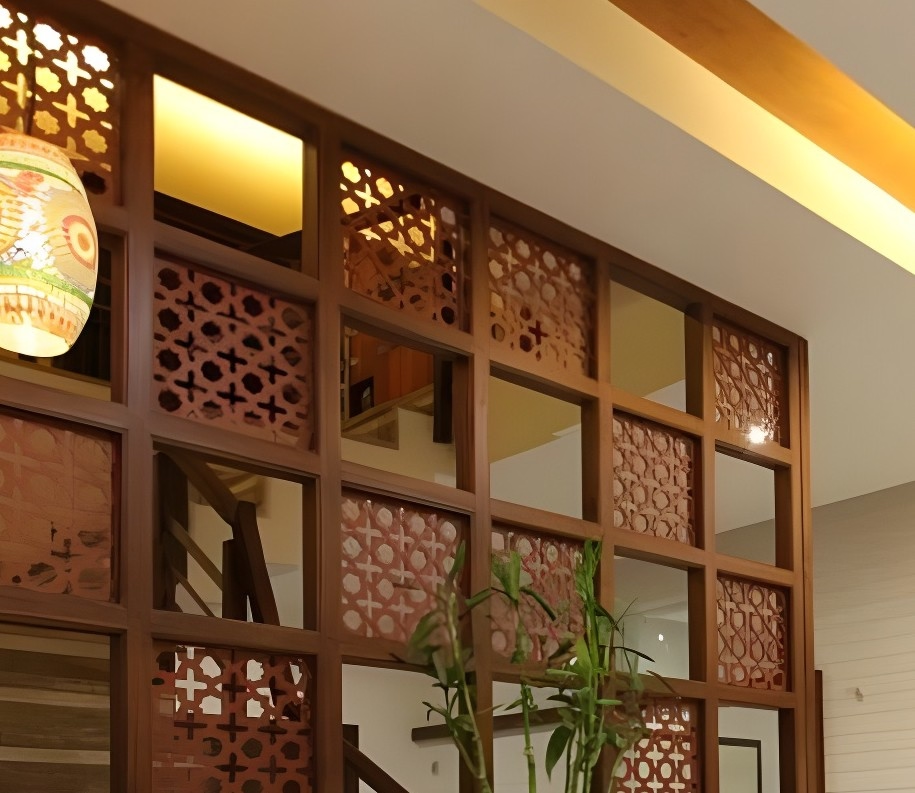
A patterned wooden lattice filled with mirror and tile insets. "Vihāra" means sacred space, and "Jālam" means mesh — this elegant grid filters light while offering privacy, like the jali windows of old temples.
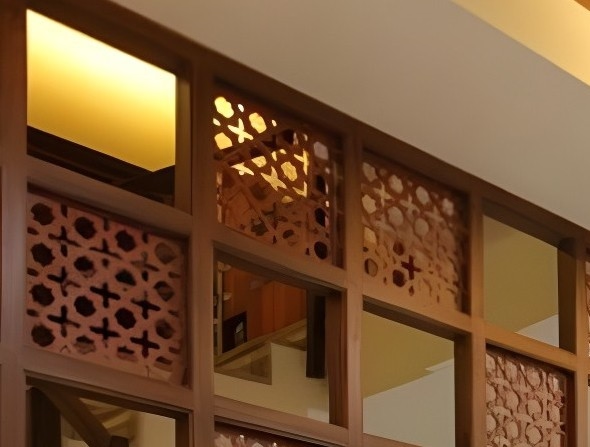
Red terracotta tiles with intricate designs. "Mr̥du" means gentle, "Chitram" means image — these tiles add warmth and texture, handcrafted in natural clay.

The vertical spine connecting the upper frame. A grounding line — “Vamsa” implies lineage or pillar, like the quiet strength behind temple architecture.
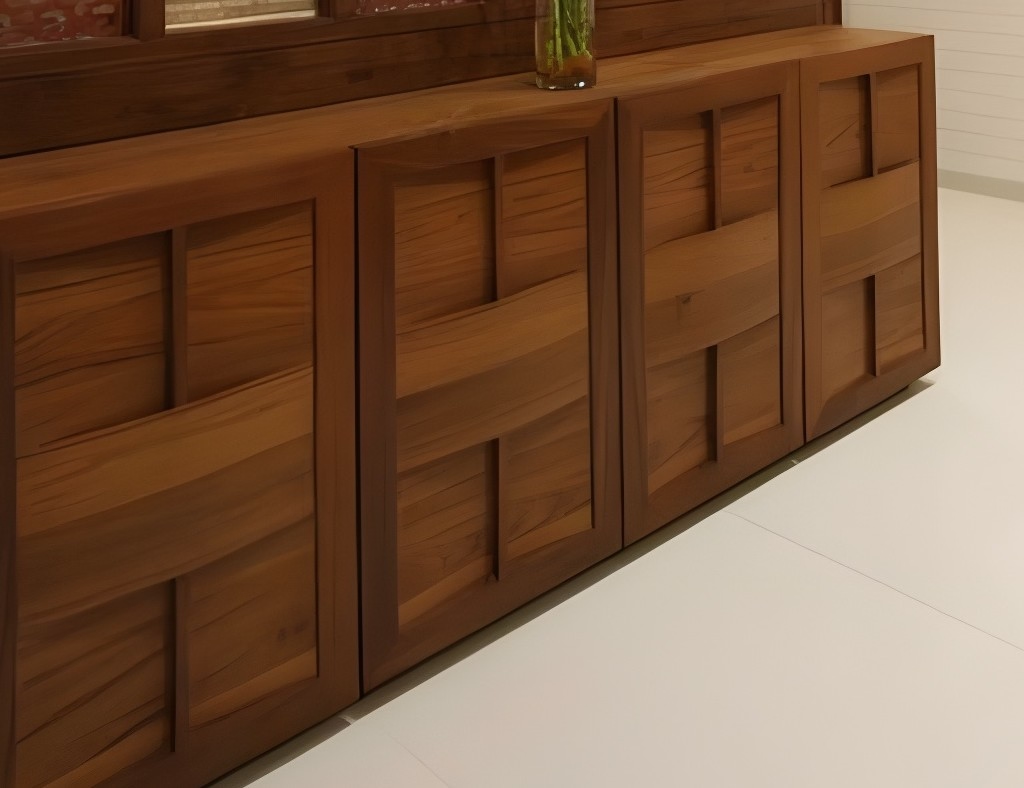
Sculpted doors in layered wood patterns. "Kōsham" means vault — these doors echo temple gateways, combining sacred geometry with modern utility.
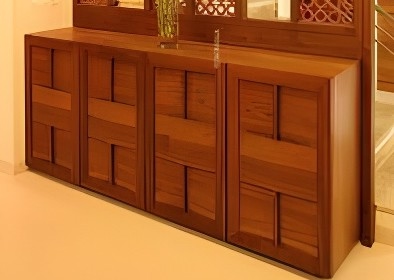
The thick bottom base supporting the console. "Tanu" means body, "Mūlam" means root — this part anchors the entire piece like a temple platform.
From sleek, modern designs that exude contemporary elegance to timeless classics that evoke warmth and nostalgia, our curated selection has something for every taste and lifestyle. Each piece is crafted with precision and care, ensuring both quality and durability.