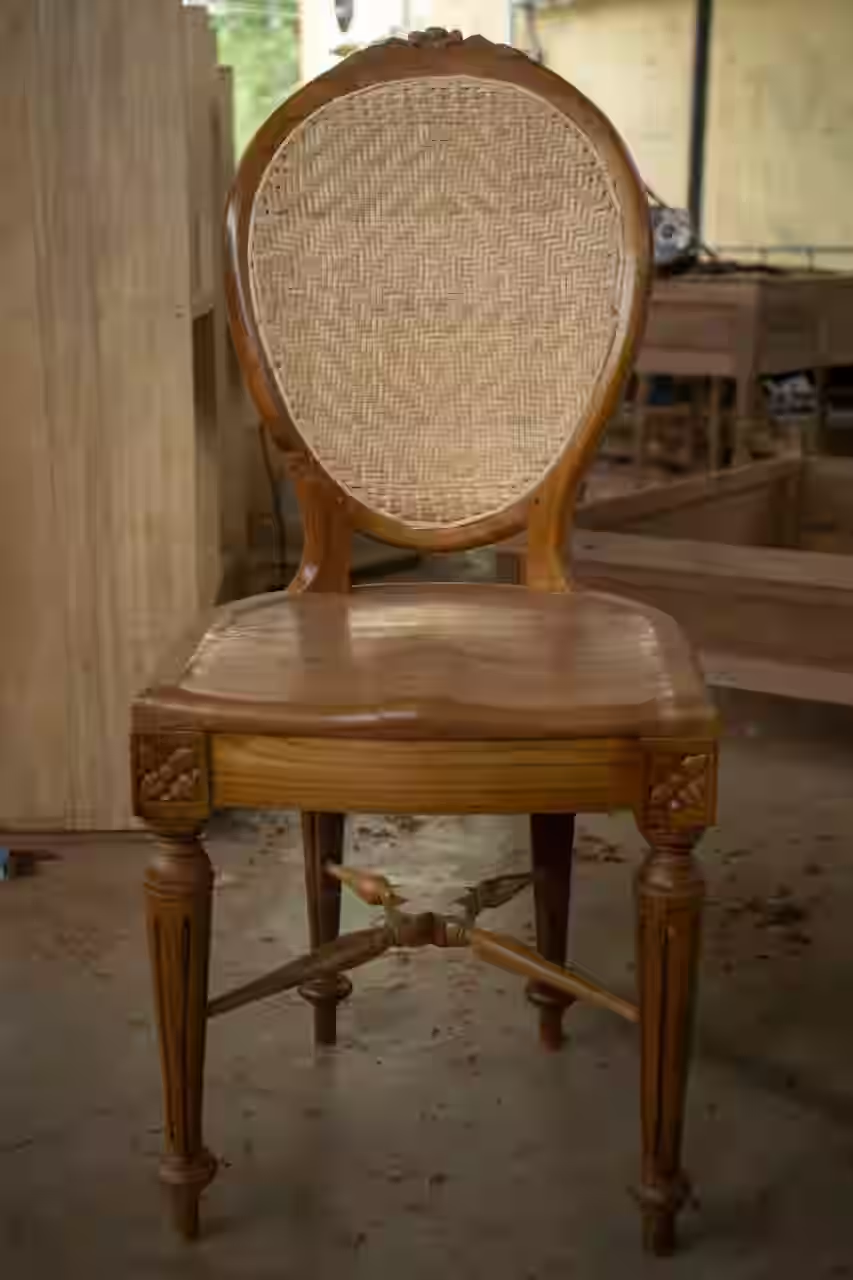
From the lap of a forest sanctum where artisans once meditated through chisels and grain, arises the Puṣpamudra— a chair not forged, but invoked. In this medallion-shaped throne, the whispers of ancient yantras entwine with the softness of a flower’s first bloom. The handwoven cane speaks in patterns like temple lattices, its curvature cradling the spine like a lotus embracing the dawn. The crowned crest sings of divine garlands placed upon deities during morning pūjā, while each leg, turned and fluted, stands like dīpāstambhas lighting the courtyards of memory. Beneath the seat, the crossing stretchers thread invisible mandalas — silent protectors of form and rhythm. This is not furniture. It is a sacred convergence of art, offering, and repose — where sitting becomes an act of presence, and the body, a bloom held in carved stillness. Crafted from seasoned Śālavaṭa (Teak), this handcrafted medallion-back chair is a temple of geometry and grace. The oval cane backrest, called Puṣpamudrāvalaya, is interwoven in herringbone precision using natural Śrīvalaya (cane). It is crowned with a finely detailed Puṣpakīrti — a carved blossom crest that radiates poise. The seat, gently sculpted into a form known as Padmavedikā/blossom medallion, mirrors the gentle elevation of a lotus altar. The legs, called Samarasthambha/Pillars of Harmony, are turned and fluted, evoking the symmetry of temple pillars and the rhythm of classical sculpture. Each is anchored by Puṣpamudrā floral blocks, and joined by Bandhanasūtra/Mandala Binders, the sacred under-seat stretchers that form the binding mandala of the structure.
Each component reflects a story of devotion, culture, and skilled hands
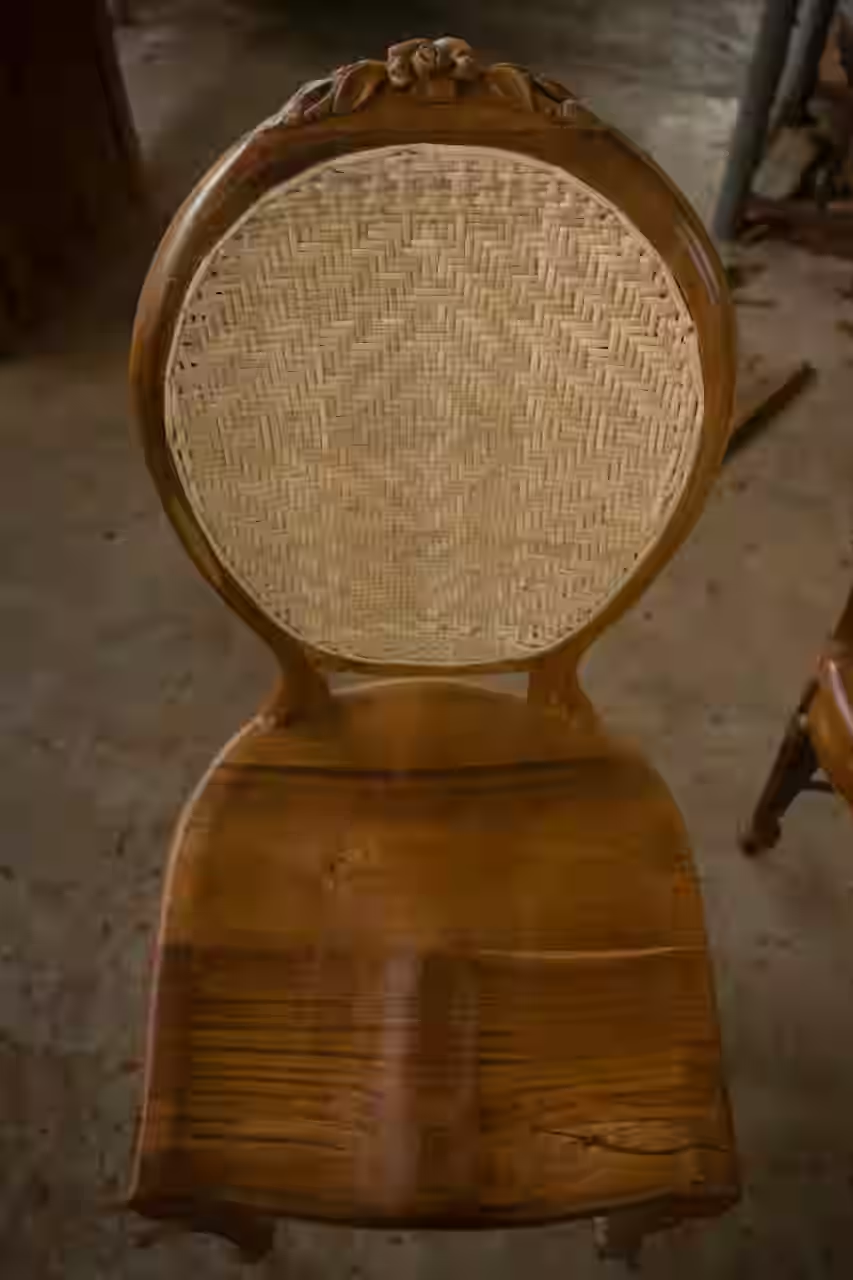
The cane back is the symbolic halo — a valaya, or sacred circular radiance — that echoes the divine aureole behind temple deities. Interwoven like a floral yantra, it represents not only the blossoming of wisdom (puṣpa) but the cyclical nature of time, life, and breath. As the sitter rests against it, they align with the eternal rhythm of becoming, where each petal-like strand is a mantra of growth, serenity, and surrender. It is the unseen crown behind the head, aligning the spine with the cosmic axis (brahmasūtra), inviting the body into meditative awakening.
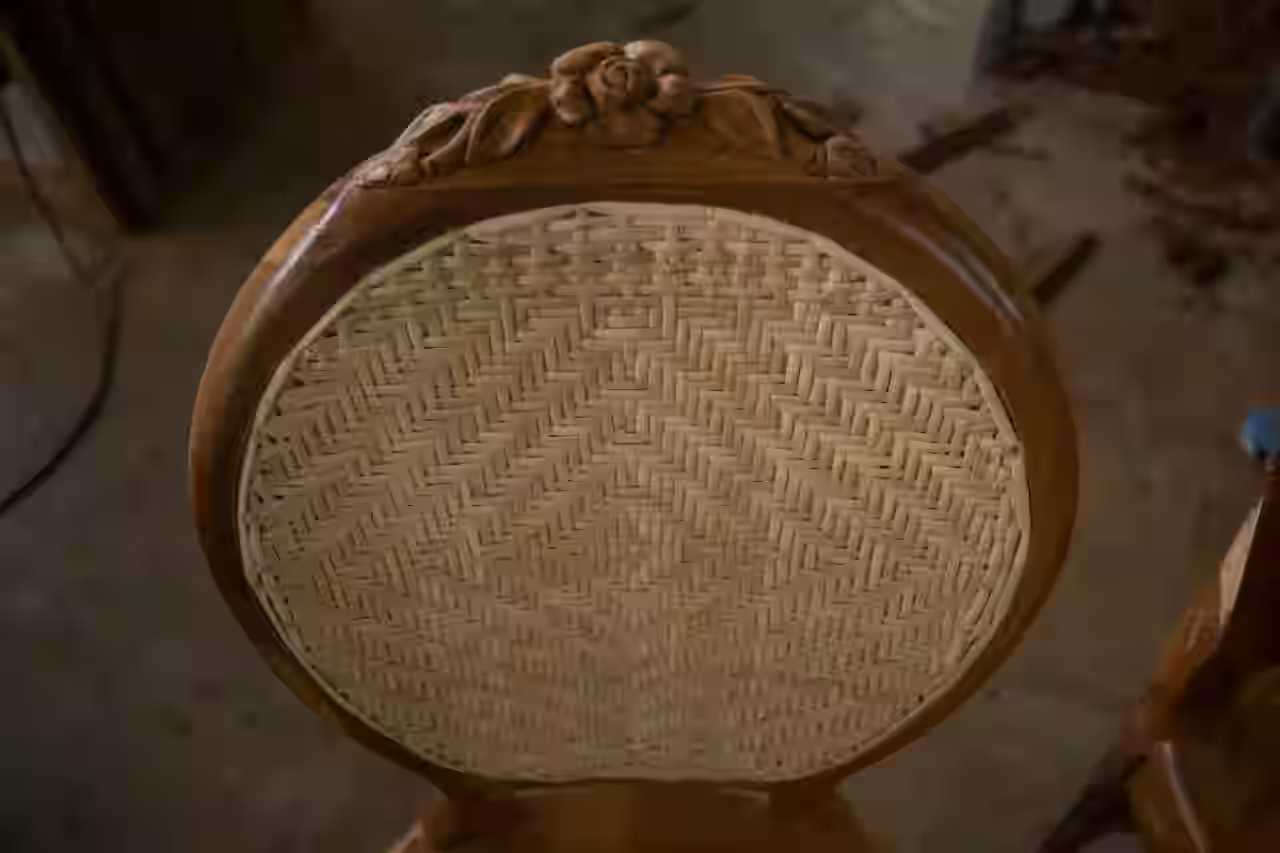
The crest is not merely decorative — it is a garland of triumph carved into permanence. Puṣpakīrti merges the symbolism of puṣpa (flower) and kīrti (glory/fame), invoking the spiritual crowning of the sitter. Just as garlands are offered to gods as marks of devotion and honor, this crown hovers above like a permanent blessing. It frames the chair with divine grace, making it not a seat of comfort, but a throne of virtue, remembrance, and reverence. This element invites the spirit of alankāra — the sacred ornamentation used to celebrate life’s dignified beauty.
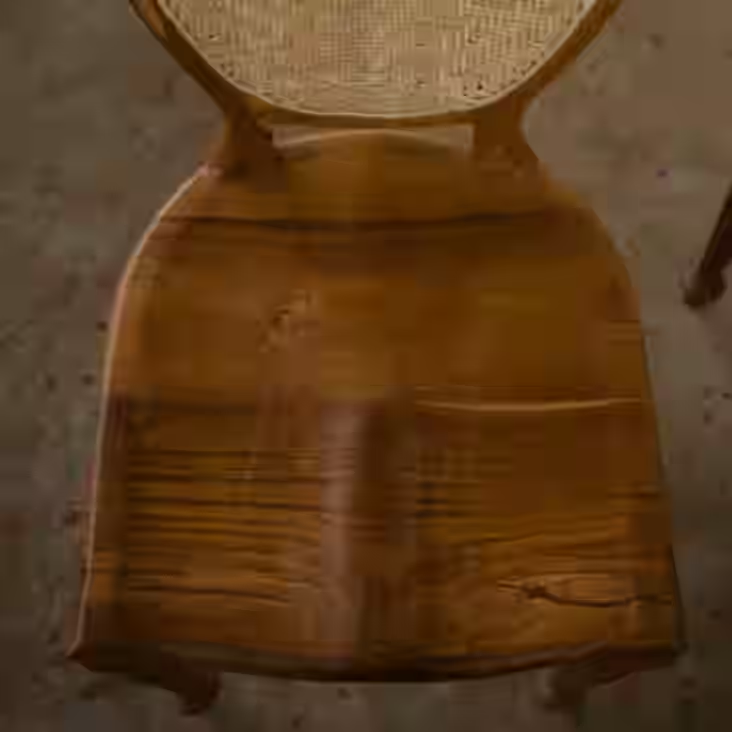
The seat is designed as a padma (lotus) resting atop a vedikā (altar) — not a base for mere sitting, but a platform of offering. In Vedic rituals, the altar holds sacred fire; here, it holds the body — itself a sacred flame of awareness. Sculpted with curvature to cradle the form, it becomes an intimate terrain where the seeker rests like an idol placed upon sanctified stone. The lotus, a symbol of transcendence emerging from earthly mud, transforms the seat into a place where stillness itself becomes divine worship — a niṣkāma karma of rest, without attachment, yet filled with presence.
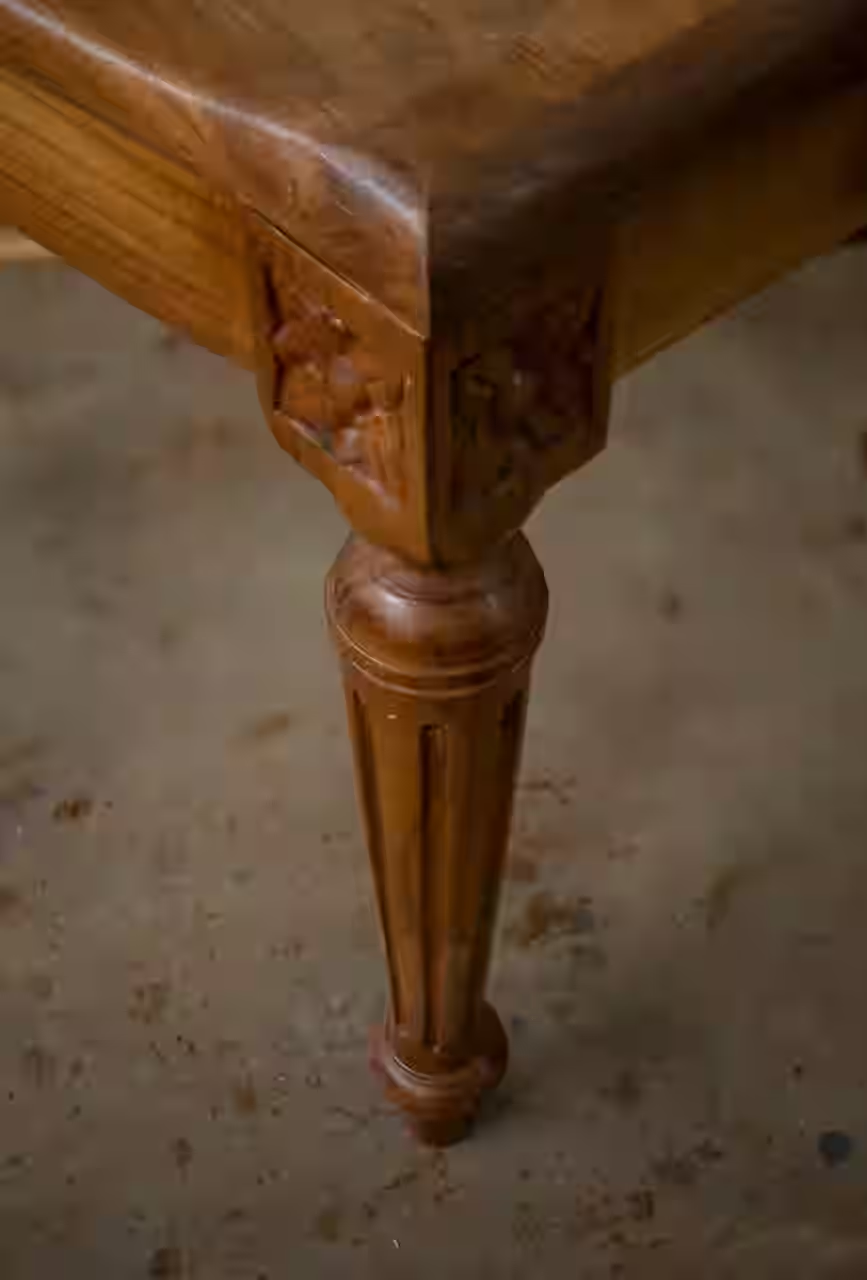
These four legs are not just support structures — they are stambhas, the sacred pillars of Indian architecture and cosmology. Samara (harmony/equilibrium) and stambha (pillar) combine here to evoke balance not only in form but in the unseen energies of space. Like the four directions of a mandala, the legs uphold not just weight but cosmic orientation. Their turned and fluted design mimics temple columns, where rhythm and silence are carved into stone. As the sitter descends, these legs anchor them between earth and ether, embodying the foundational dharma of stillness — unshaken, symmetrical, and serenely grounded in the breath of existence.
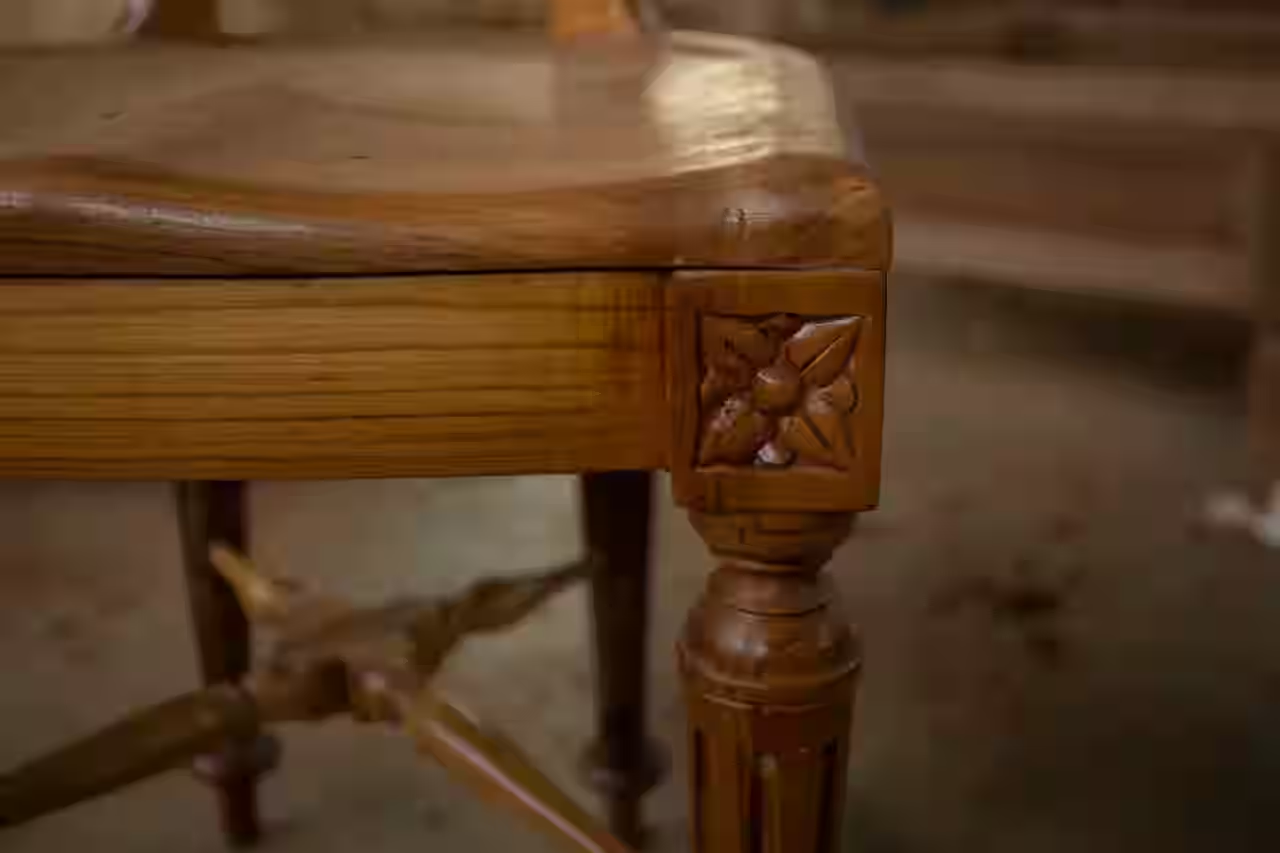
These corner blocks are sacred junctions — points where geometry meets gesture. Puṣpamudrā merges the image of a blooming flower with the mudrā, or ritual hand sign. Just as dancers conclude their movements with symbolic gestures that communicate the unspoken, these floral seals conclude the chair's geometry with sacred punctuation. They are the silent prayers etched into the corners — locking beauty and intention into the structure. The placement recalls temple entrances where floral carvings mark transitions between outer and inner worlds — here, marking the liminal space between action and repose, structure and surrender.
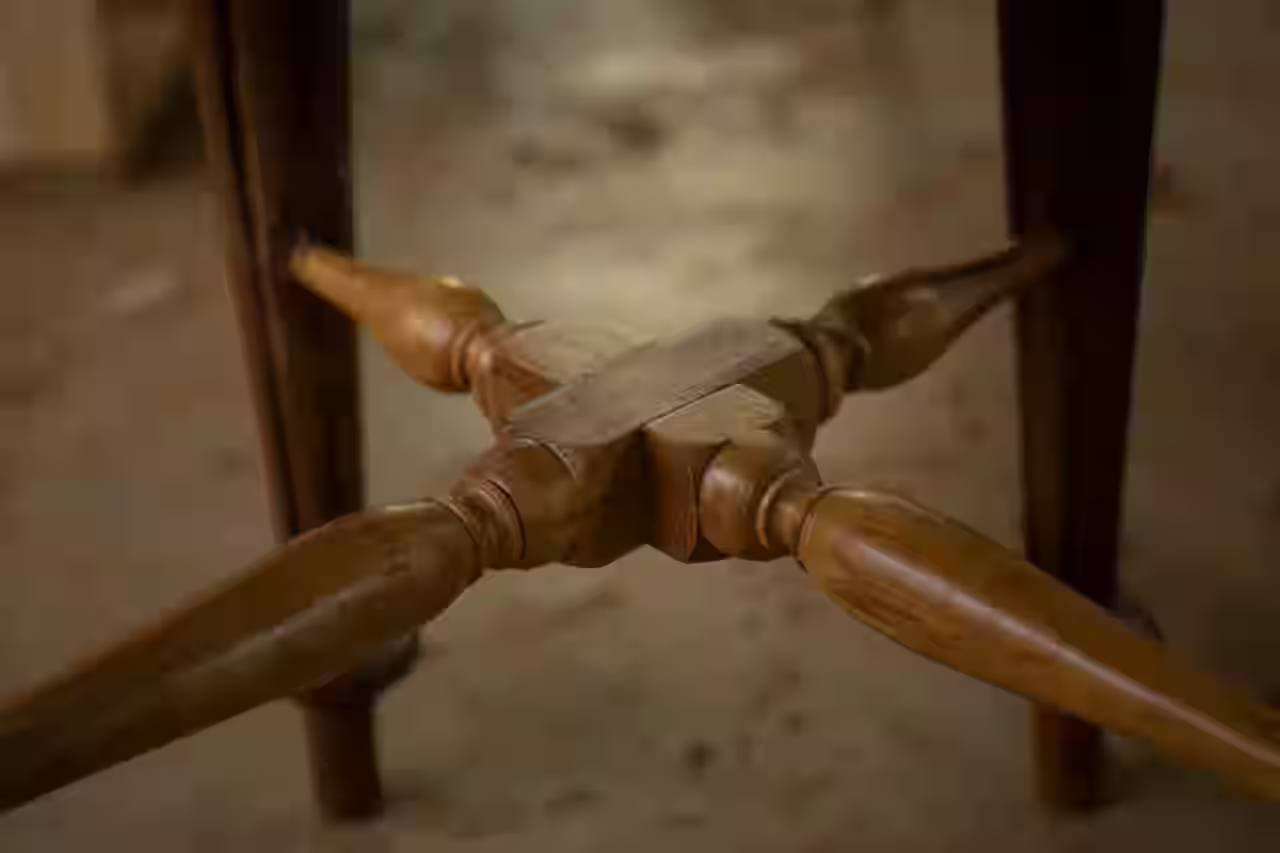
Hidden beneath the seat, these crossbars are the invisible sūtras — sacred threads that hold the mandala of form together. Bandhana means binding or union, and sūtra is both string and spiritual aphorism. These stretchers echo the idea that beneath all apparent form lies an unseen tension — a poetic pull of opposing forces in balance. They are not just supports but protectors of harmony, like the tension in a tanpura string that births music. In keeping the limbs aligned and united, they manifest the metaphysical principle of rta — the cosmic order that holds the universe together, mirroring it within the geometry of this floral throne.
From sleek, modern designs that exude contemporary elegance to timeless classics that evoke warmth and nostalgia, our curated selection has something for every taste and lifestyle. Each piece is crafted with precision and care, ensuring both quality and durability.