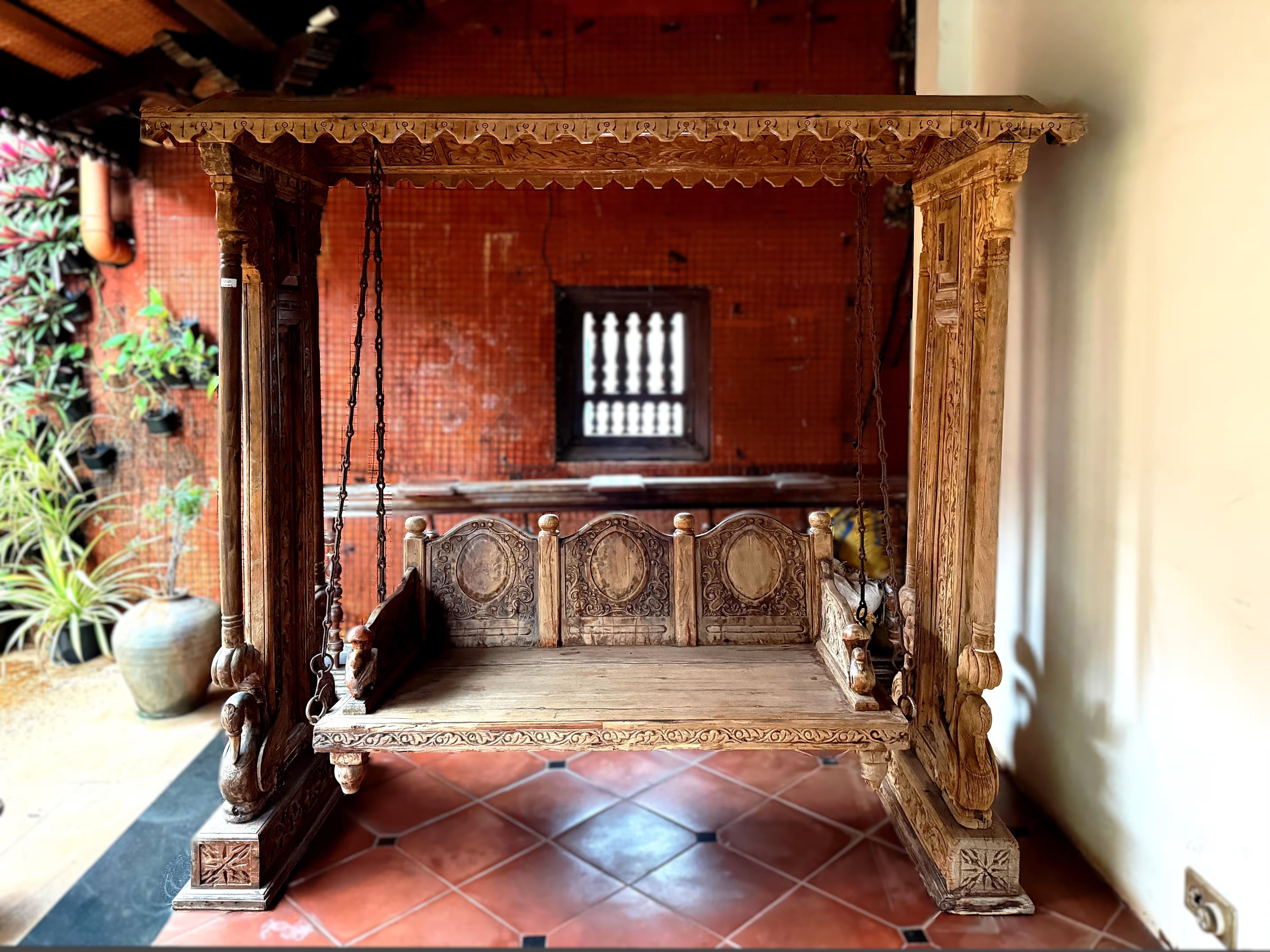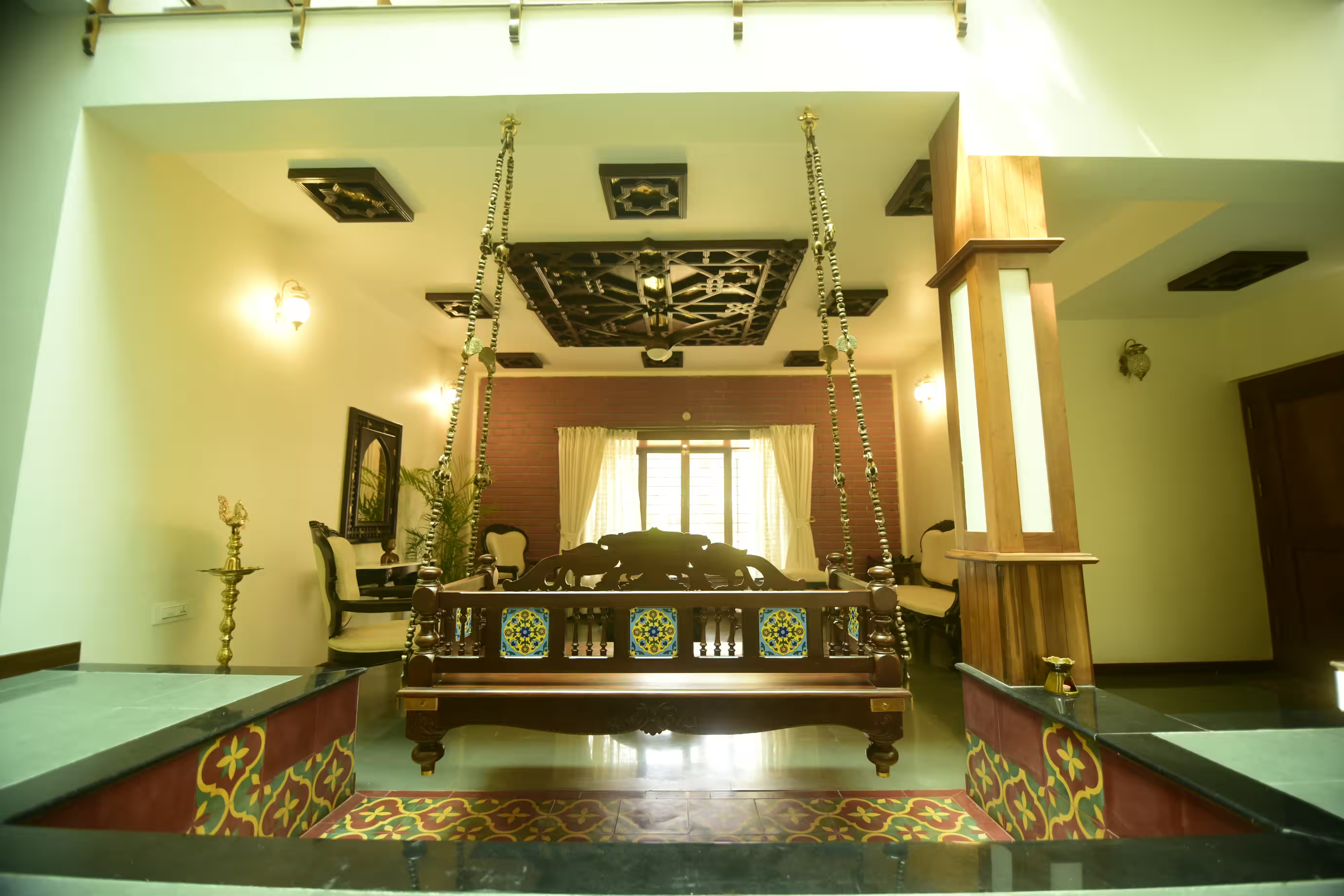
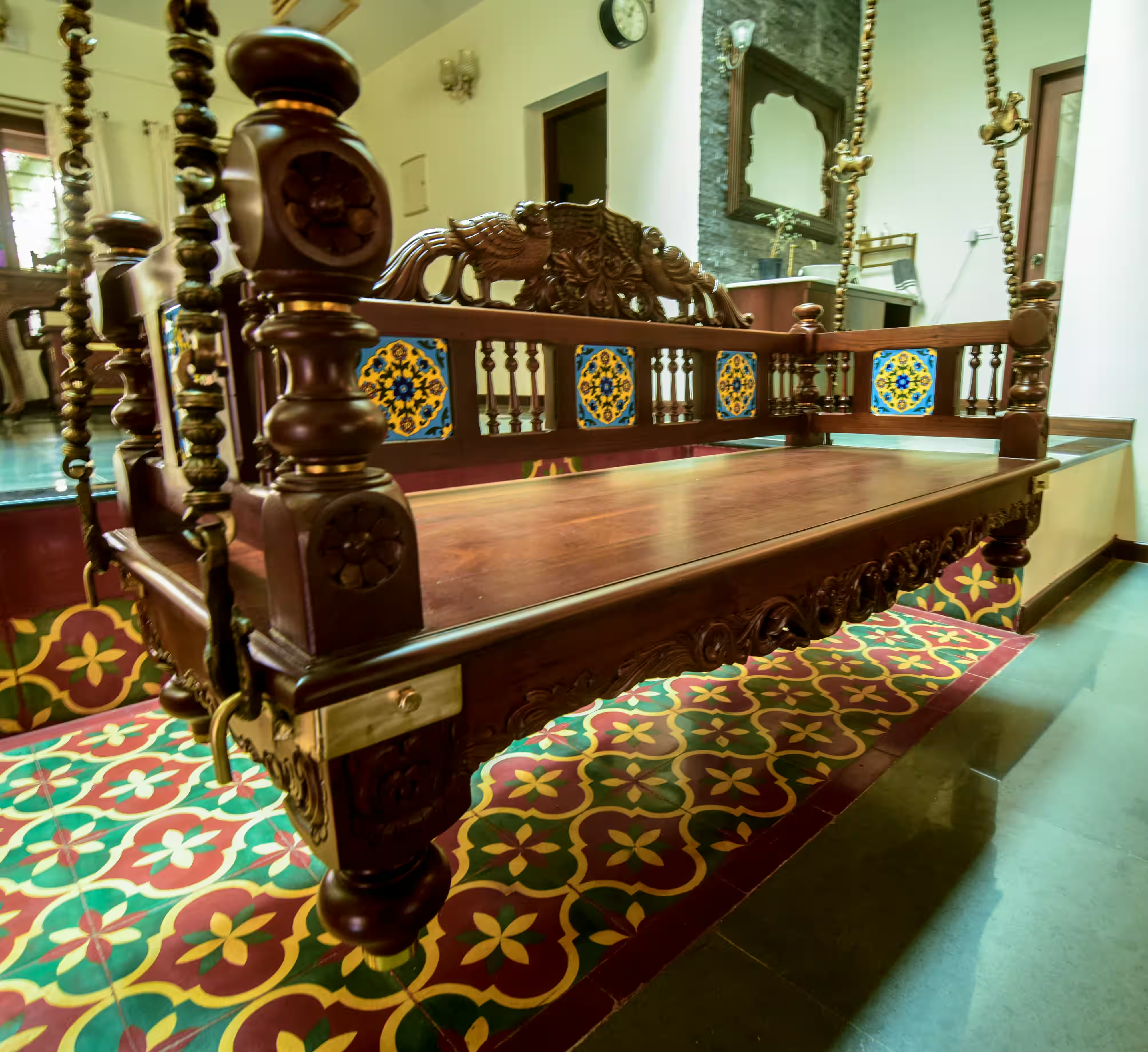
Santata (संतत) means “continuous” or “eternal”; Shanti (शांति) means “serenity,” and Jhoola is the Indian word for swing. Together, Santata Shanti Jhoola becomes “the eternal swing of peace”—evoking a sanctuary of tranquil motion. The Malayalam name, Snigdha Manda Swing (Calm Gentle Swing), gives a fresh local nuance, distinct from the English, focusing on the feelings of comfort and slow rhythm. A masterfully handcrafted swing blending wood, brass, and temple-inspired detail, the Santata Shanti Jhoola is not just furniture—it’s a meditative retreat. Reminiscent of palatial corridors and temple verandahs, it offers a tranquil haven, where the artistry of heritage meets the hush of timeless repose.
Each component reflects a story of devotion, culture, and skilled hands
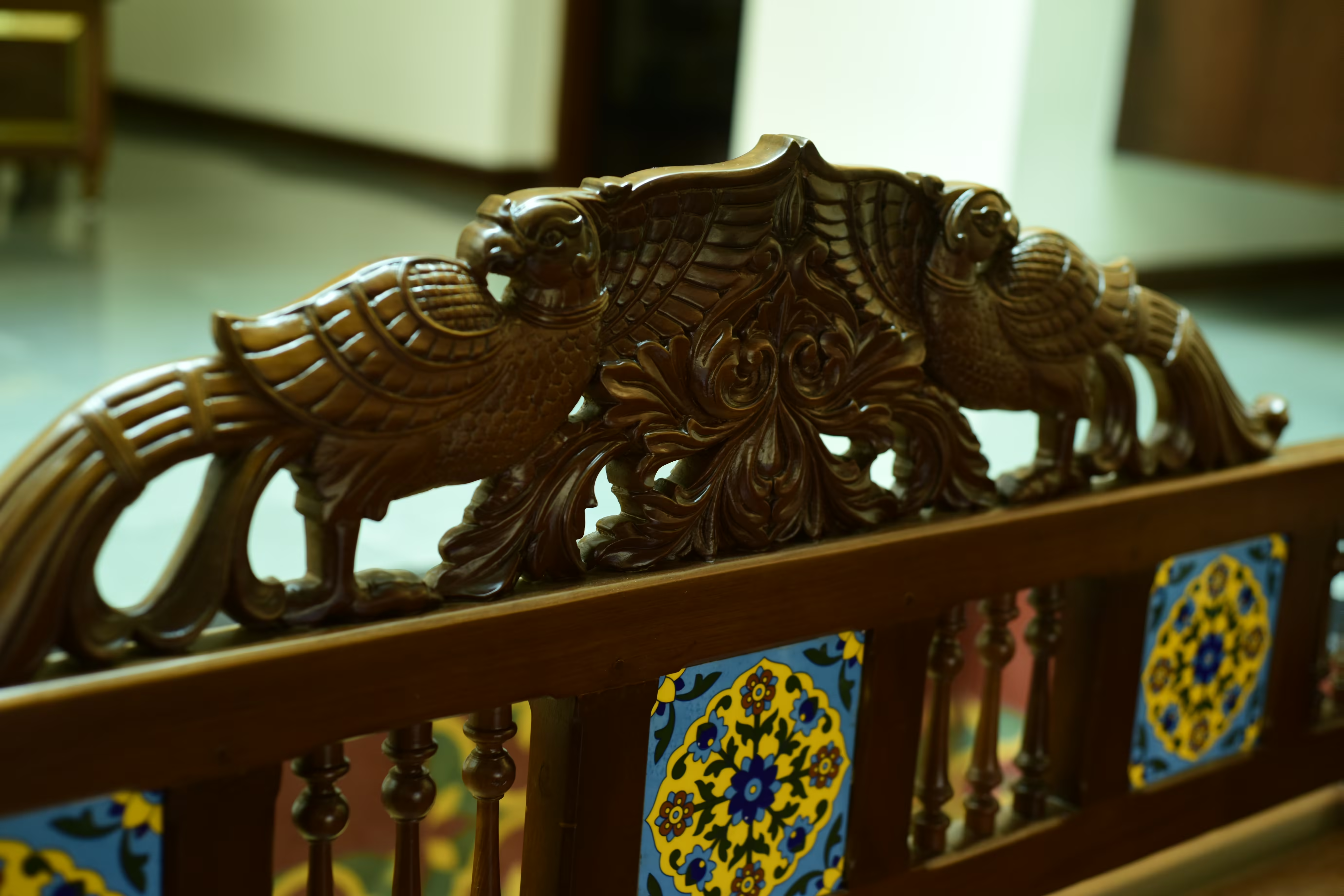
Twin peacocks with a central blooming crest form the Mayura Simhasana—drawing deeply on Indian metaphor, where the peacock is a timeless symbol of grace, beauty, and guardi-anship. Sculpted with fine detail, each bird stands sentinel, its plumes fanned in devotion. More than mere ornament, these peacocks echo the carved backs of royal thrones and sanctum guardianship, enveloping the seated soul with protection and poetic beauty. When sunlight brushes the forms, the curves cast dancing shadows, making every mo-ment on the swing feel regally blessed.
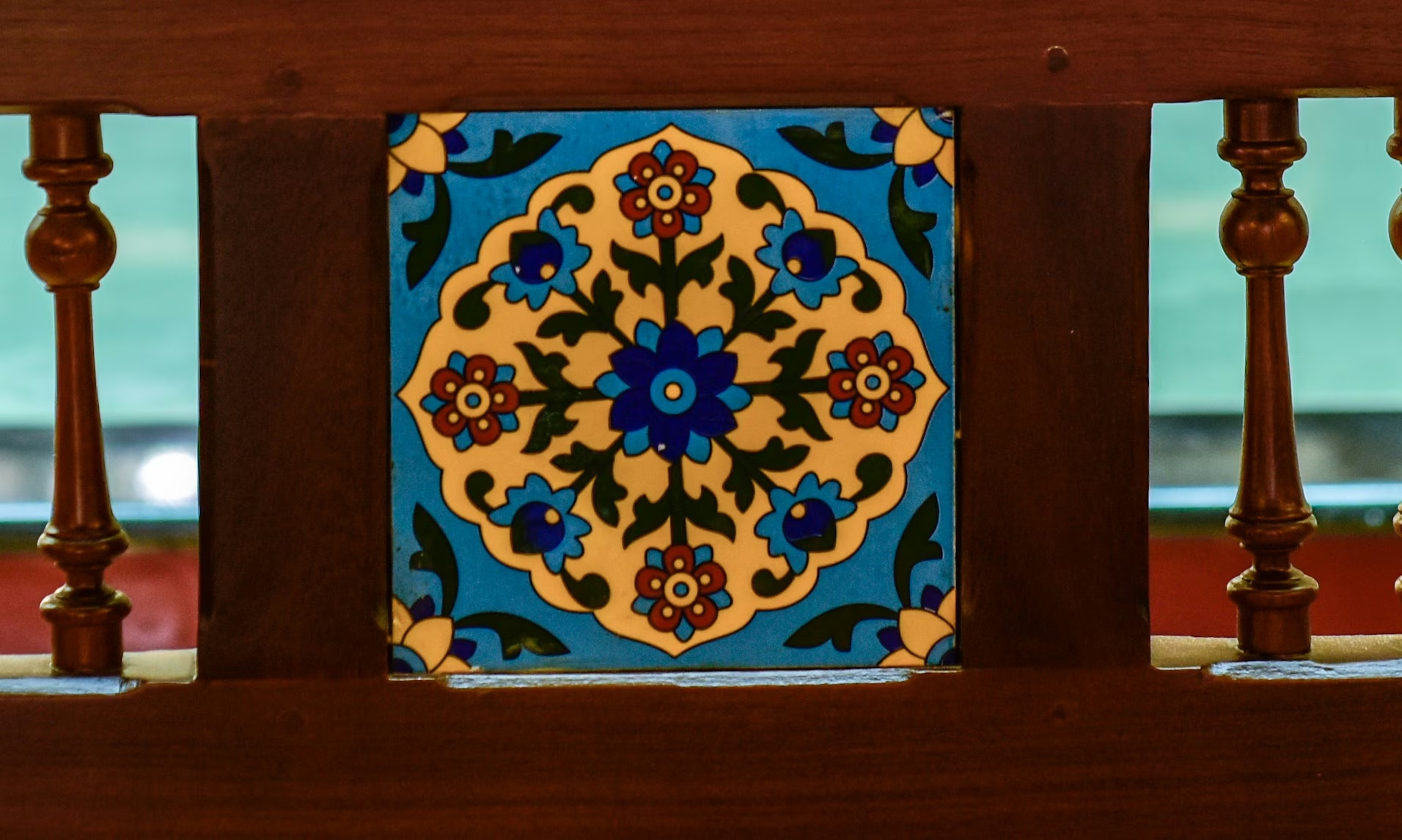
The inlaid tiles of Parampara Chakra depict radiant mandalas in shades of turmeric gold, indigo, and ivory. Inspired by South Indian and Mughal artistry, each rosette pulls from the ancient tradition of cyclical patterns representing the wheel of time, heritage, and artistry. Set within the rich grain of wood, these mandalas bring rhythmic bursts of color and visual energy, reinforcing the swing’s role as a bridge between past and present, earth and sky.
Lining the lower backrest, the Torana Taranga—“gateway waves”—are rows of finely turned wood spindles, echoing sacred archways and temple grills. These allow air and light to tumble through, infusing the swing with a gentle, breathing openness. Their forms create both a rhythmic pattern and a series of visual “thresholds,” celebrating the in-between state of movement and stillness that defines every swing.
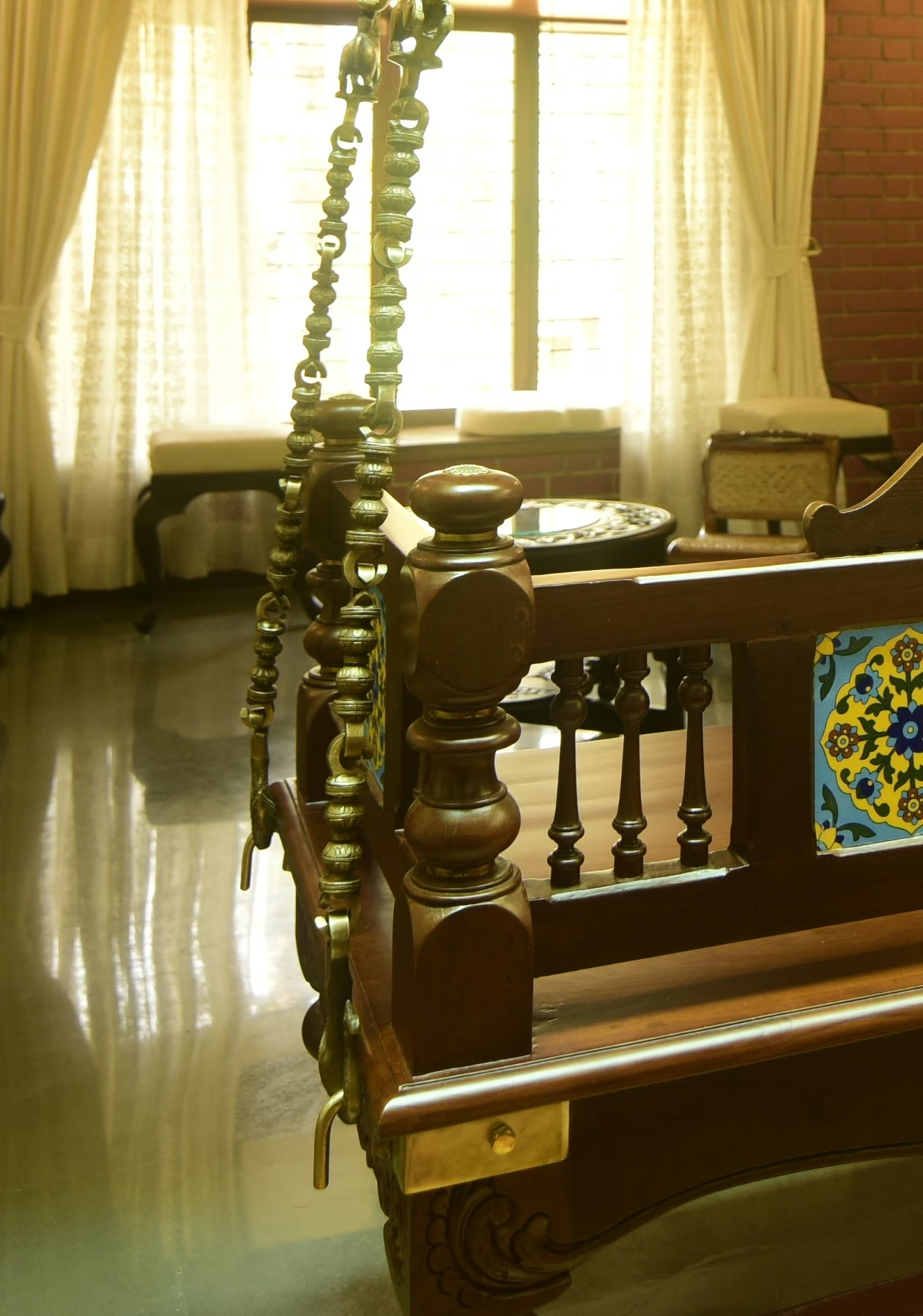
Robust wooden columns, the Pushpa Stambha, rise at each side, their ends capped with blooming lotus rosettes. Connecting the swing to the earth below and canopy above, these pillars symbolize firmness rooted in grace. Every carved bloom is a quiet beacon of re-newal, purity, and spiritual ascent—making the swing an altar of comfort and presence.
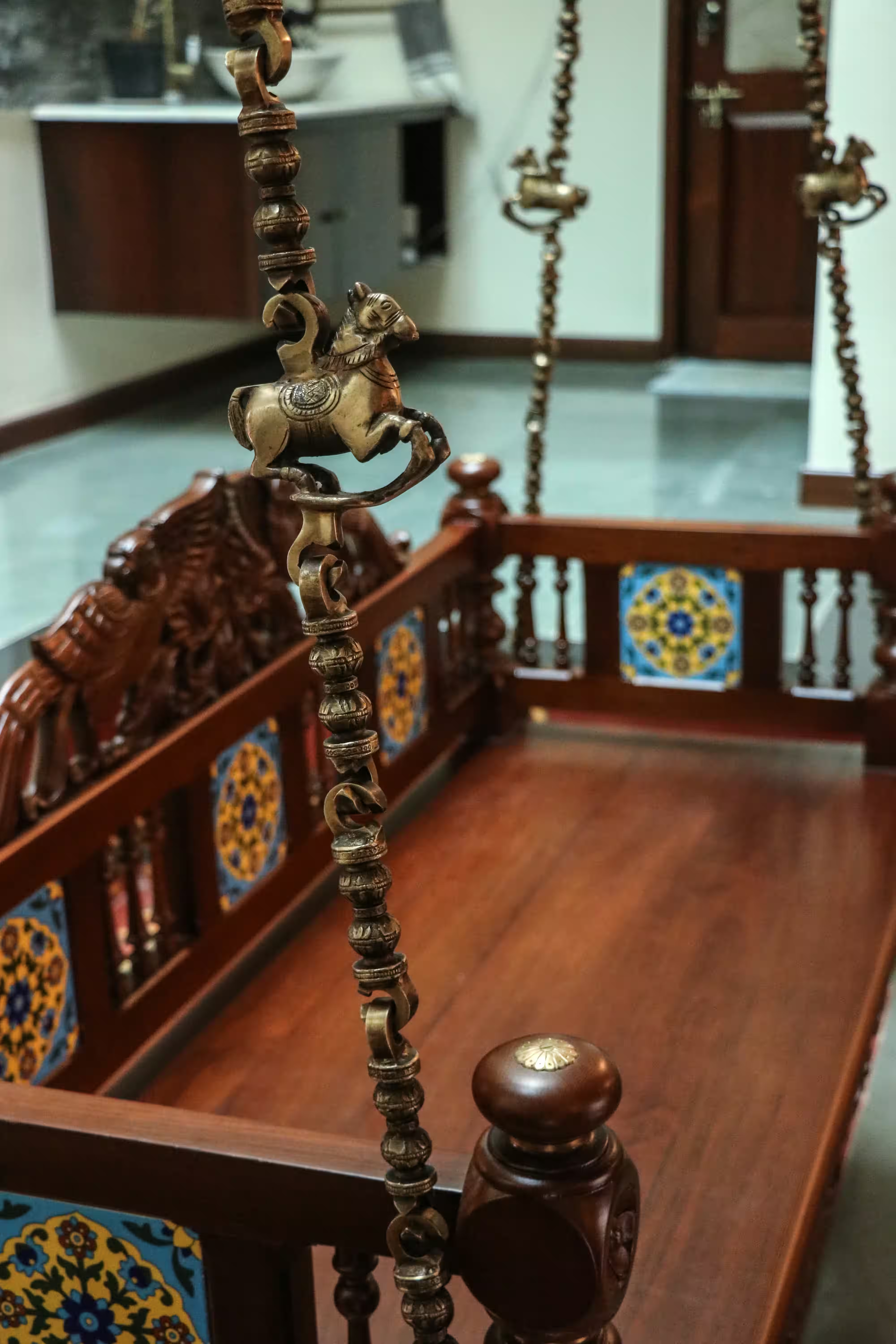
The swing hangs from Suvarna Patra—golden chains adorned with temple bell motifs. Not only functional, these shimmering lines invoke the idea of golden pathways, elevating the act of swinging into a sacred passage, and the sound of gently swaying bells blends ritual with daily rhythm.
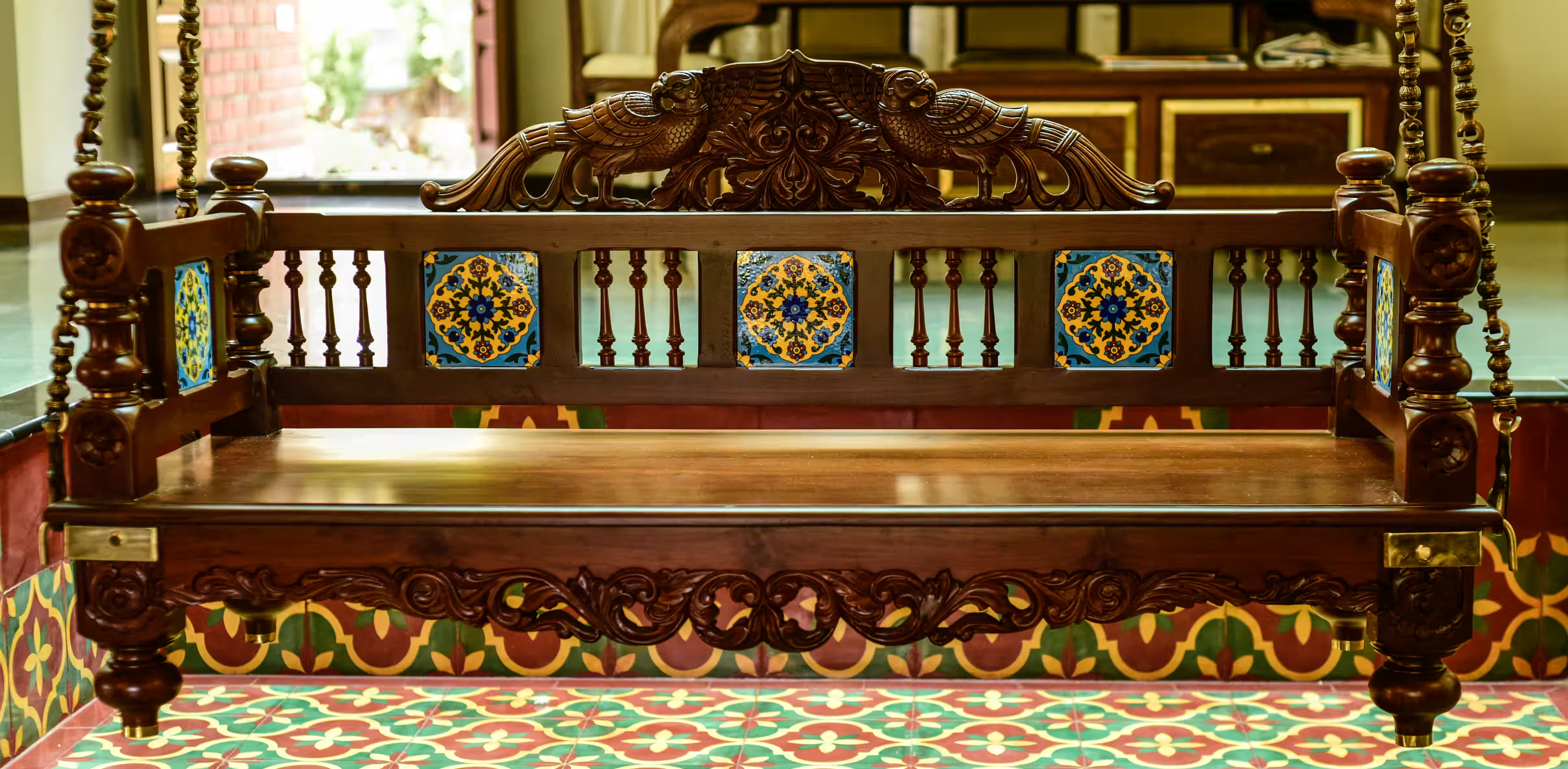
Beneath the seated expanse, the Padma Vedika apron brims with carved lotus and vine scrollwork, referencing sacred altars where offerings were placed. Wide, steady, and hand-finished, it turns every moment of ease into a poetic act—each curve and flourish channel-ing the serenity of lotus ponds and temple sanctums.
From sleek, modern designs that exude contemporary elegance to timeless classics that evoke warmth and nostalgia, our curated selection has something for every taste and lifestyle. Each piece is crafted with precision and care, ensuring both quality and durability.