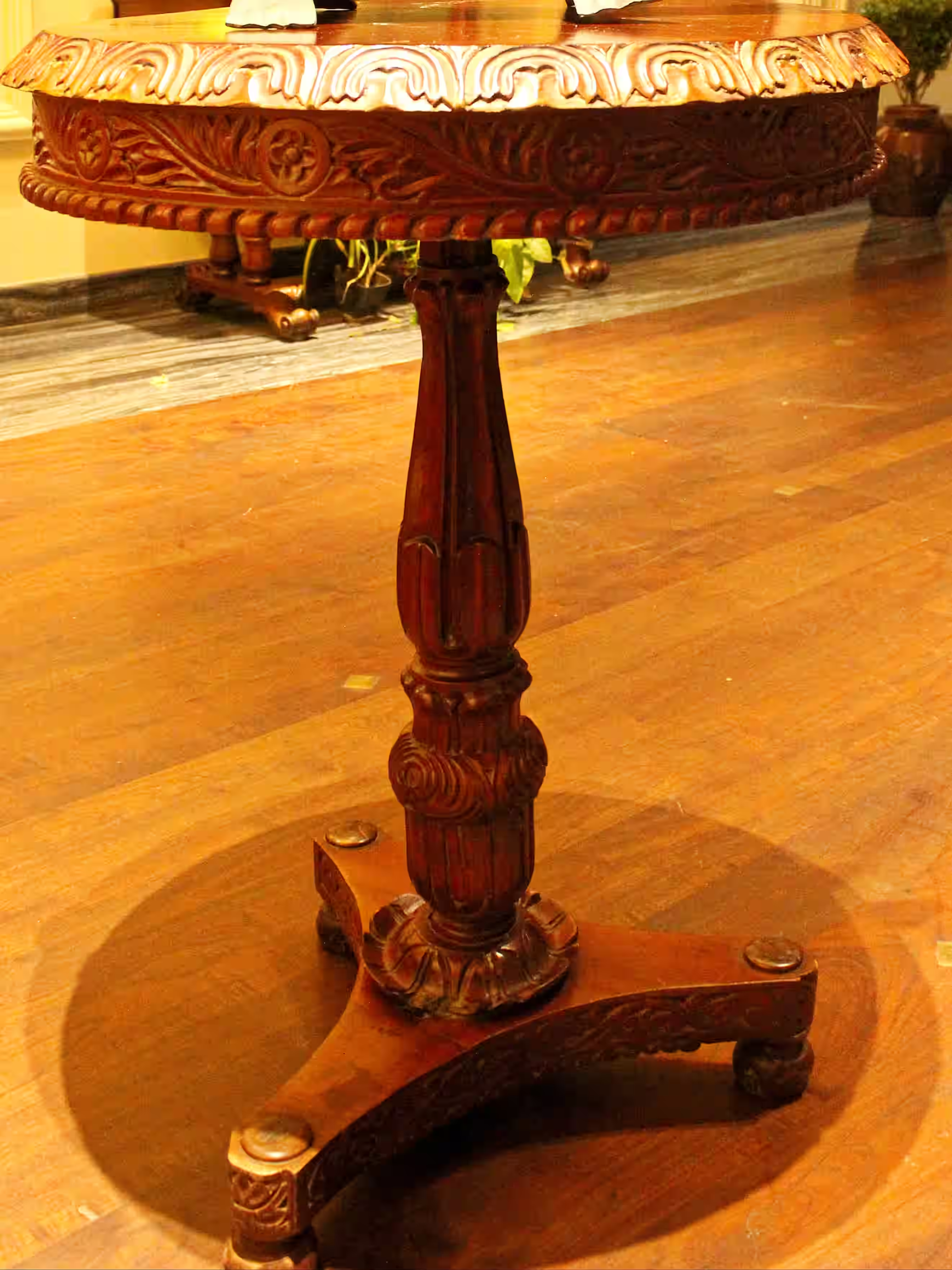
The Utkīrṇa Pīṭhikā Table is a testament to timeless craftsmanship, where intricate carvings elevate a functional object into a piece of art. Its sturdy pedestal base and carved top evoke the solidity and artistry of traditional Indian design, akin to a sacred pedestal or a mandapam's central plinth. This table transforms daily utility into an appreciation of heritage, offering a stable and beautiful foundation for cherished objects and moments. Discover the enduring beauty of heritage with the Utkīrṇa Pīṭhikā Table. More than a surface, it is a sculpted narrative, whispering tales of ancient craft and artistic devotion. The robust central stambha (pillar/pedestal) rises with graceful strength, adorned with intricate carvings that speak of the artisan's patient hand. It serves as a visual ādhāra (foundation) for the grand, circular maṇḍala-ākāra talam (circular surface) above. The rich wood, possibly padouk or rosewood, glows with a deep, earthy warmth, its polished tejas-prabhā (radiant sheen) reflecting the light like calm temple floors. Each curve and motif on this pīṭhikā invites contemplation, transforming the placement of everyday objects into an act of reverence. This table is a sthāna (place) where history meets daily life, grounding the present in the beauty and stability of a bygone era.
Each component reflects a story of devotion, culture, and skilled hands
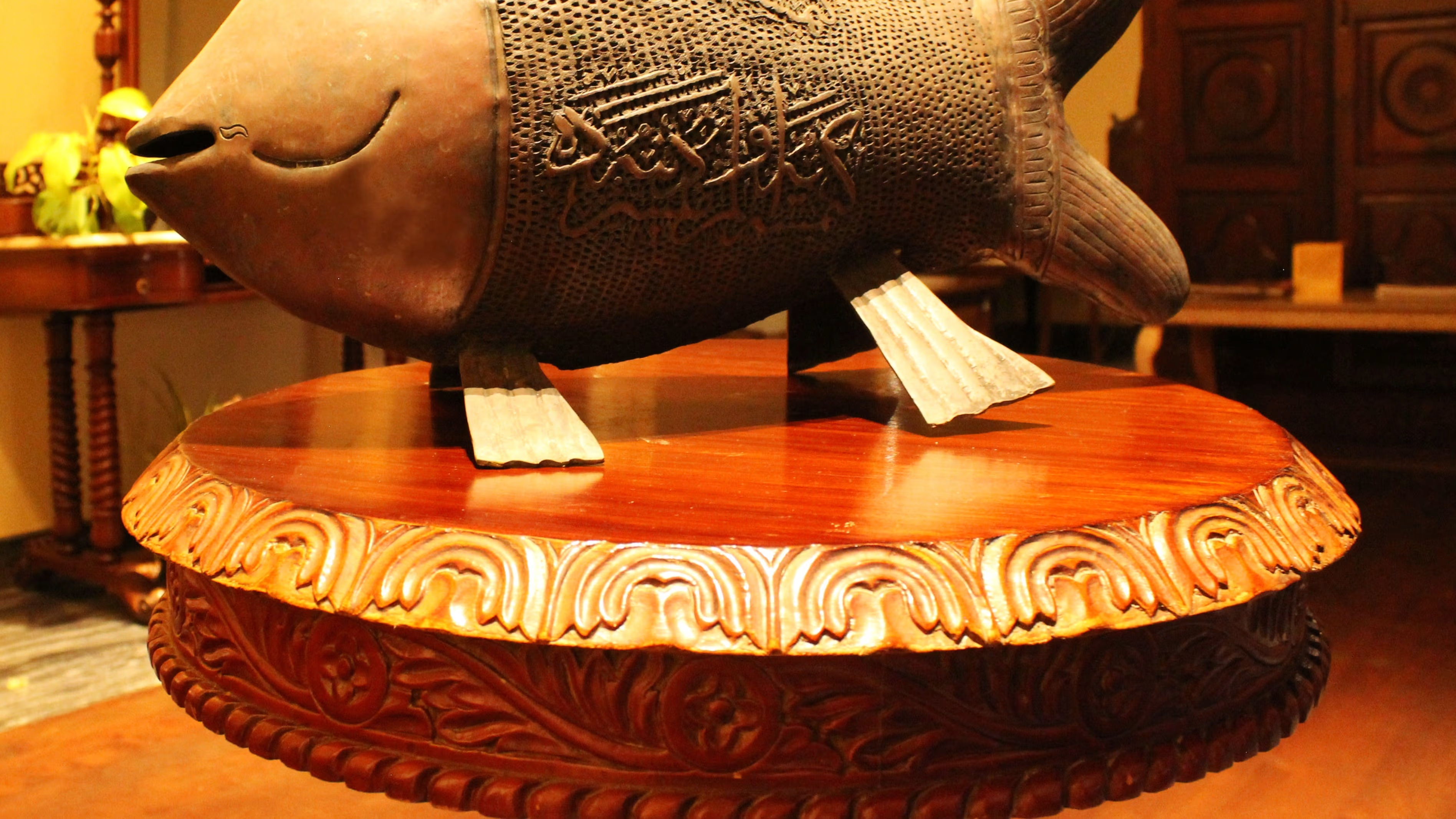
This circular surface, the maṇḍala-ākāra talam (circular plane/surface), embodies cosmic harmony and completeness, akin to a sacred maṇḍala. It is the consecrated stage upon which objects find their place, transformed from mere items to curated displays. Like an altar, it invites reverence, and like a circular diagram, it symbolizes unity and cyclical time, making every object placed upon it part of a larger, harmonious arrangement. The subtle edge carvings further enhance this sacred border.
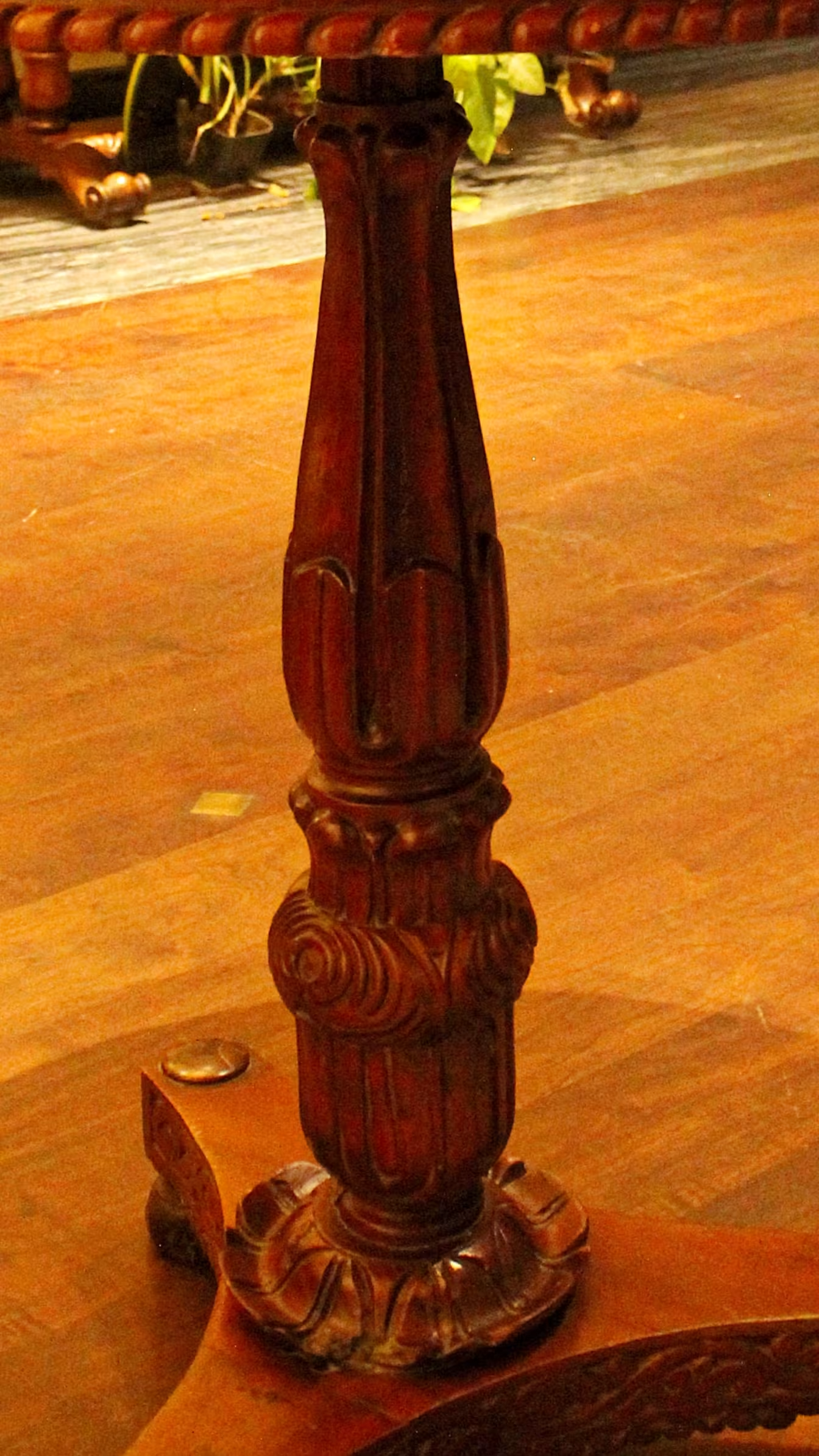
Rising powerfully from the base, the Utkīrṇa Stambha (carved pillar) is the very axis of this table, echoing the grand dhvaja-stambhas (flagstaff pillars) found in temple courtyards. It is not merely a support but a central pillar of strength and artistic expression, symbolizing steadfastness and the upward aspiration of form. Its elaborate carvings tell a silent story of tradition, connecting the table to a lineage of art and sacred architecture, providing a stable, elegant foundation for the 'cosmic' surface above.
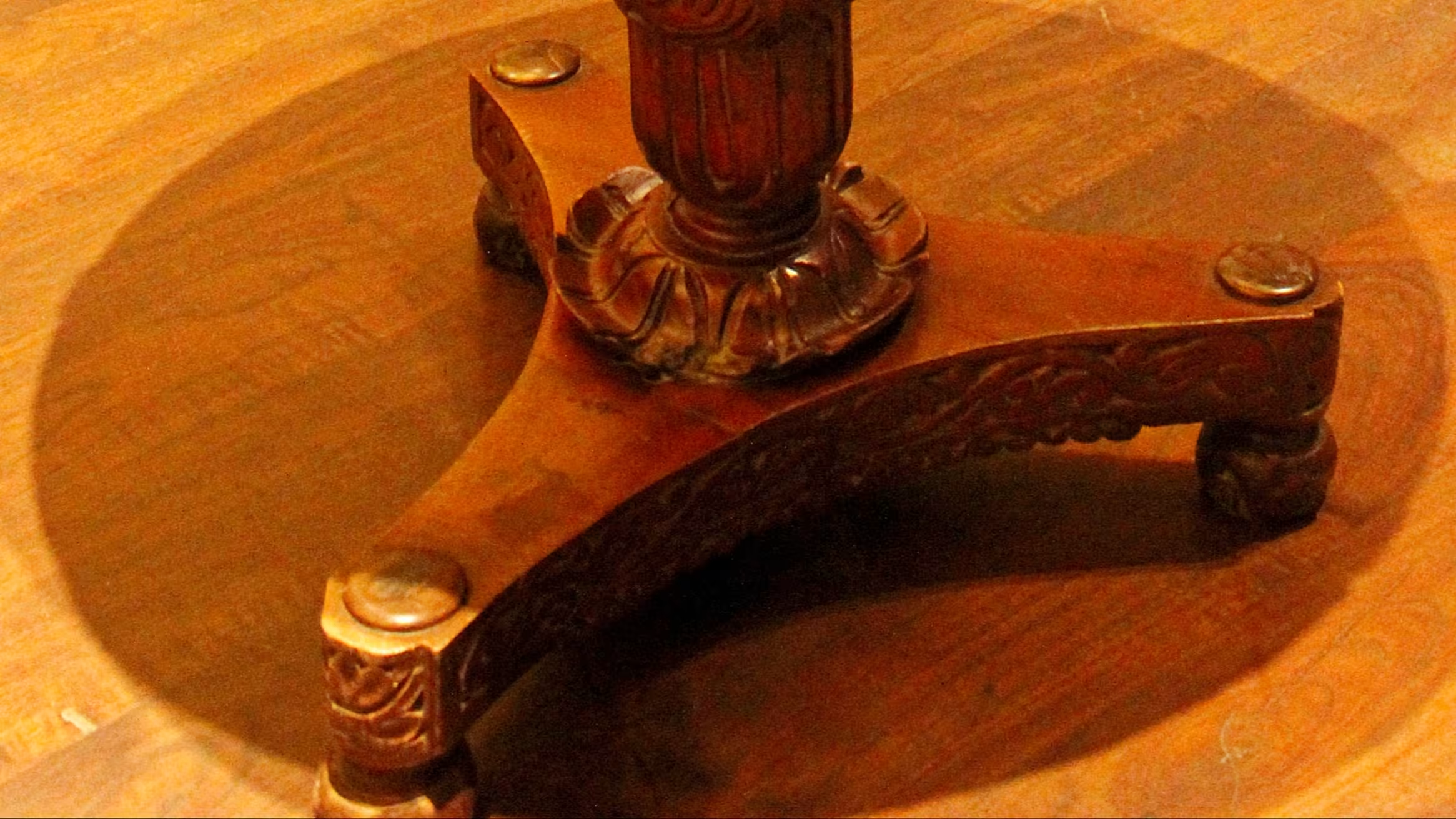
The three legs forming the mūla pādas (root feet) anchor the table with unwavering stability. This tripod form, often seen in ancient Indian seating and stands, symbolizes a groundedness in the three realms (past, present, future; earth, atmosphere, heaven) or the three gunas. These 'feet' are not just structural but are the 'roots' that connect the table to the earth, imbuing it with a sense of rooted strength and enduring presence, ensuring the 'altar' remains unshaken.
From sleek, modern designs that exude contemporary elegance to timeless classics that evoke warmth and nostalgia, our curated selection has something for every taste and lifestyle. Each piece is crafted with precision and care, ensuring both quality and durability.