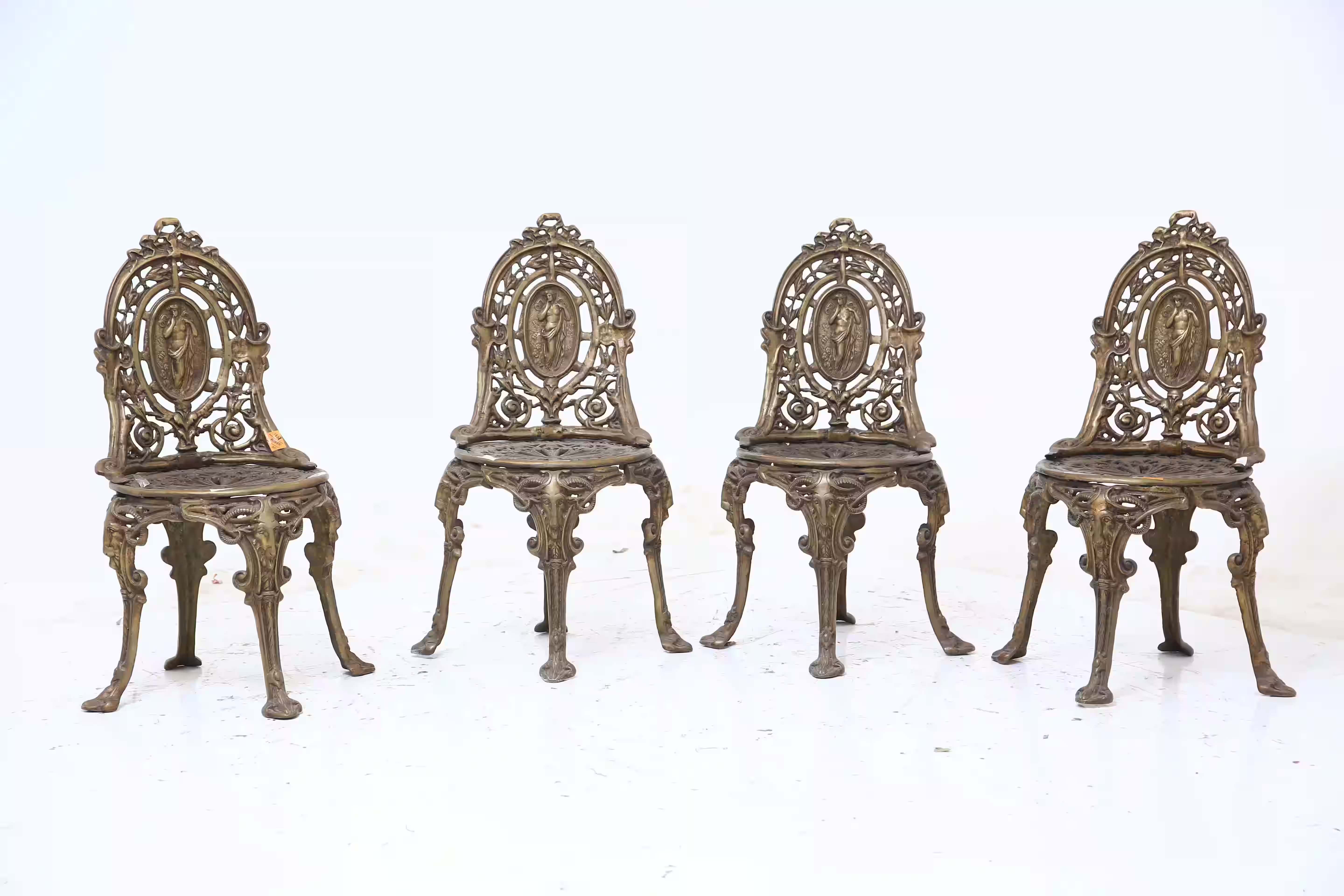
The Victo Medallion Chair is a portrait of cultural conversation. Its medallion back recalls the neoclassical grace of European drawing rooms, yet the woven cane heart speaks the language of Indian craft — a rhythm of patience, breath, and hand-skill. The rosewood frame, seasoned and polished by artisans, bears the depth of natural Indian forests, its finish glowing with a subtle luster that reveals every grain like calligraphy. Unlike the cold uniformity of factory-made chairs, this one breathes with life: the polish is hand-rubbed, the cane is woven strand by strand, and the contours hold the memory of the craftsman’s hand. It is European in posture, Indian in soul — a true heirloom that blends two heritages into one seamless presence. Handcrafted in solid rosewood and woven cane, the Victo Medallion Chair harmonizes Victorian poise with Indian warmth. The medallion-shaped backrest, a nod to European neoclassical motifs, is softened and enlivened by the traditional Indian cane weave, which brings breathability and tactile grace. The rosewood body is hand-polished in the Indian tradition, allowing the grain to glow in deep earthy tones — a finish both elegant and rooted. The slender, turned legs echo European rhythm, yet the polish and cane are unmistakably Indian — a meeting of continents in a single piece. It is as suitable for modern interiors as for cultural homes, carrying both heritage and refinement.
Each component reflects a story of devotion, culture, and skilled hands
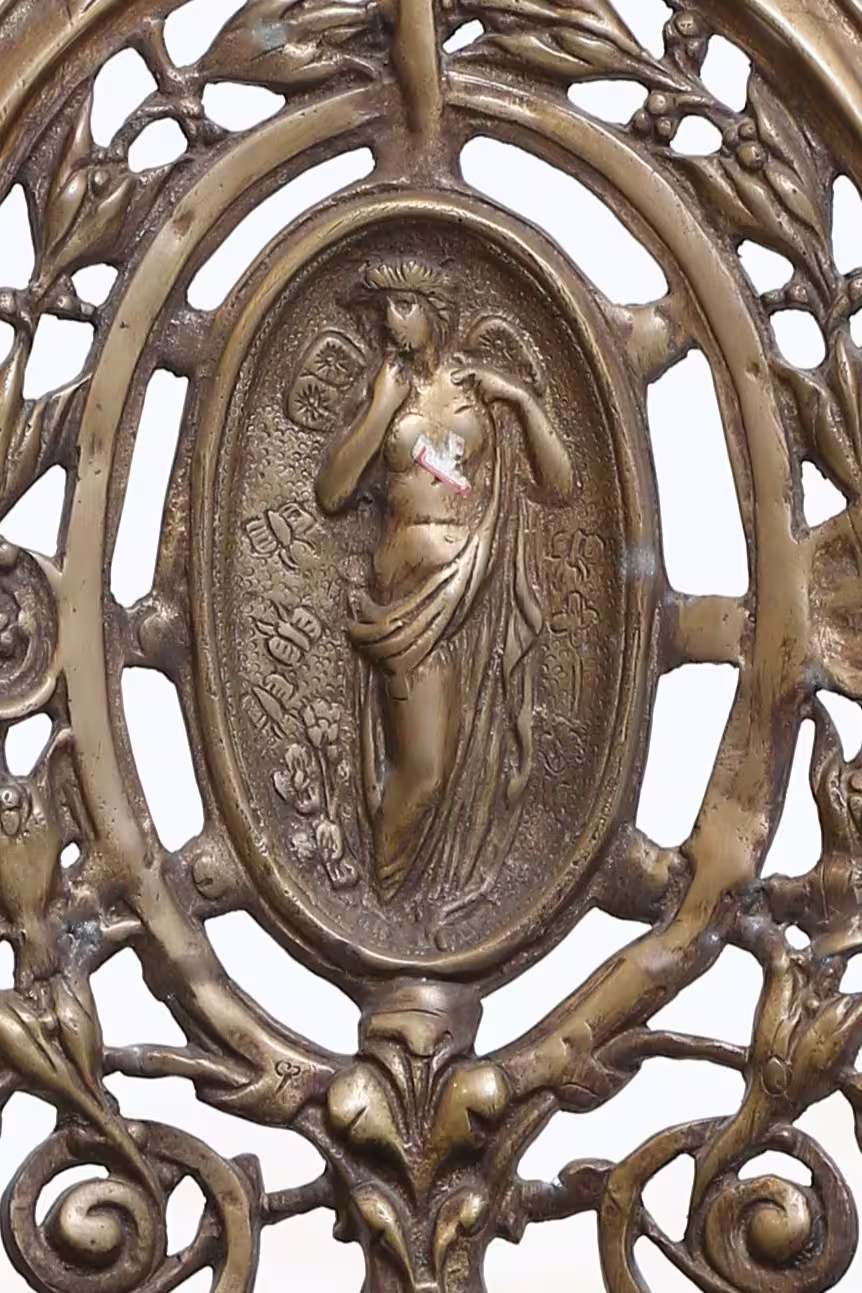
The medallion back is not just a decorative emblem but a meeting of East and West — European neoclassical refinement framed within the Indian motif of the lotus (Padma). The circle embodies unity, eternity, and protection, while the lotus suggests purity blossoming from the everyday. To the viewer, it feels like resting against a timeless seal of dignity, both intimate and imperial.
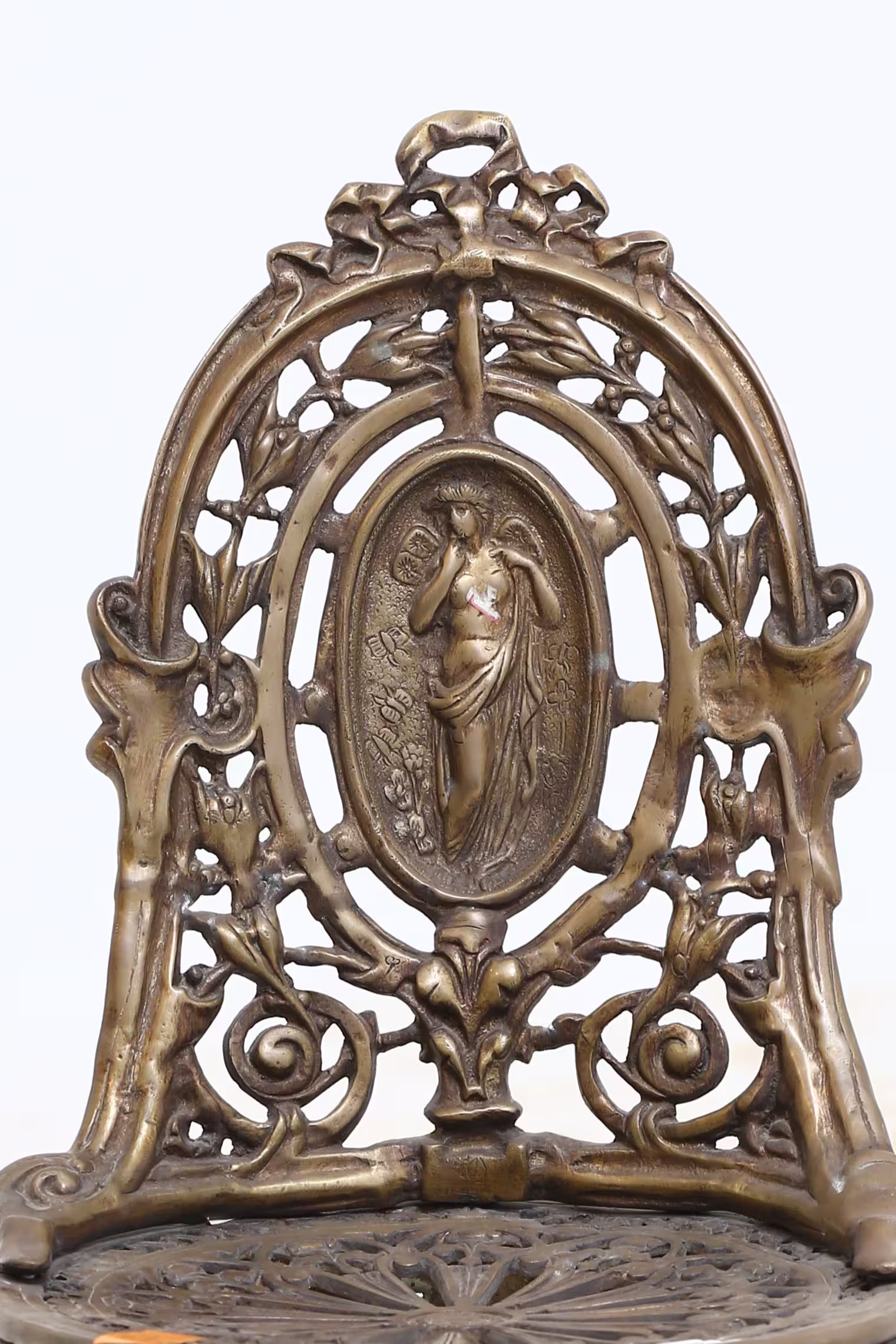
e sculpted crest is the chair’s crown jewel — a flourish of aristocracy in the French style, reminiscent of Versailles salons. Yet, in its ornamental form, it parallels temple gopuram finials, which guard and sanctify sacred space. Thus, the crest becomes a guardian of grace: in Europe, a symbol of noble rank; in India, a blessing of auspiciousness. For the audience, it communicates a sense of being honored and elevated.
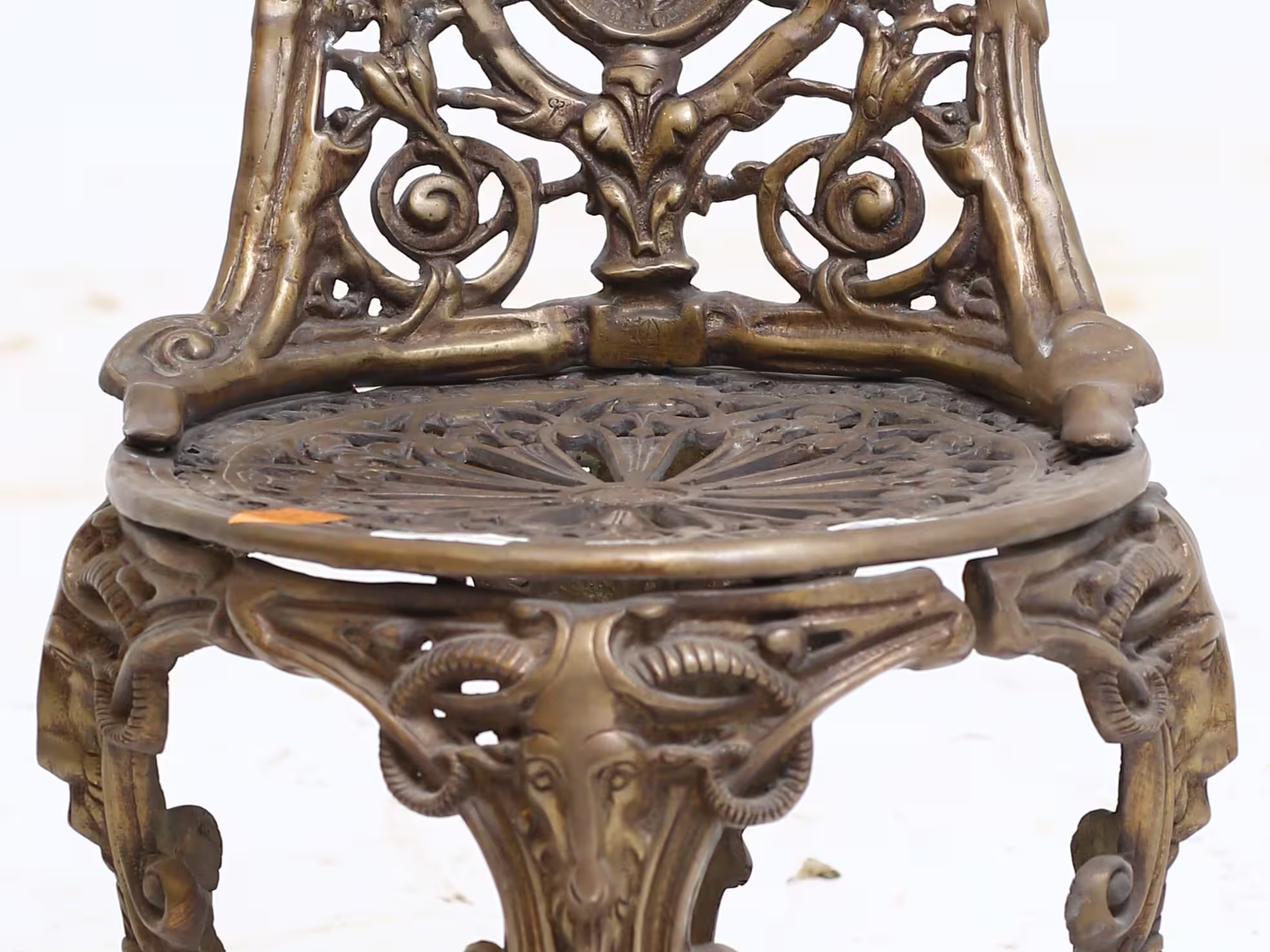
The seat is the true heart of hospitality. In English thought, it suggests rest and function; in French sensibility, it conveys softness, refinement, and poise; in Indian tradition, Viśrāma signifies repose as a sacred act — the stillness where body and spirit meet. Thus, the seat does not just support the sitter physically, but offers a cultural invitation: “Come, sit, and belong.” It resonates with audiences who see furniture as a space of living, not merely display.
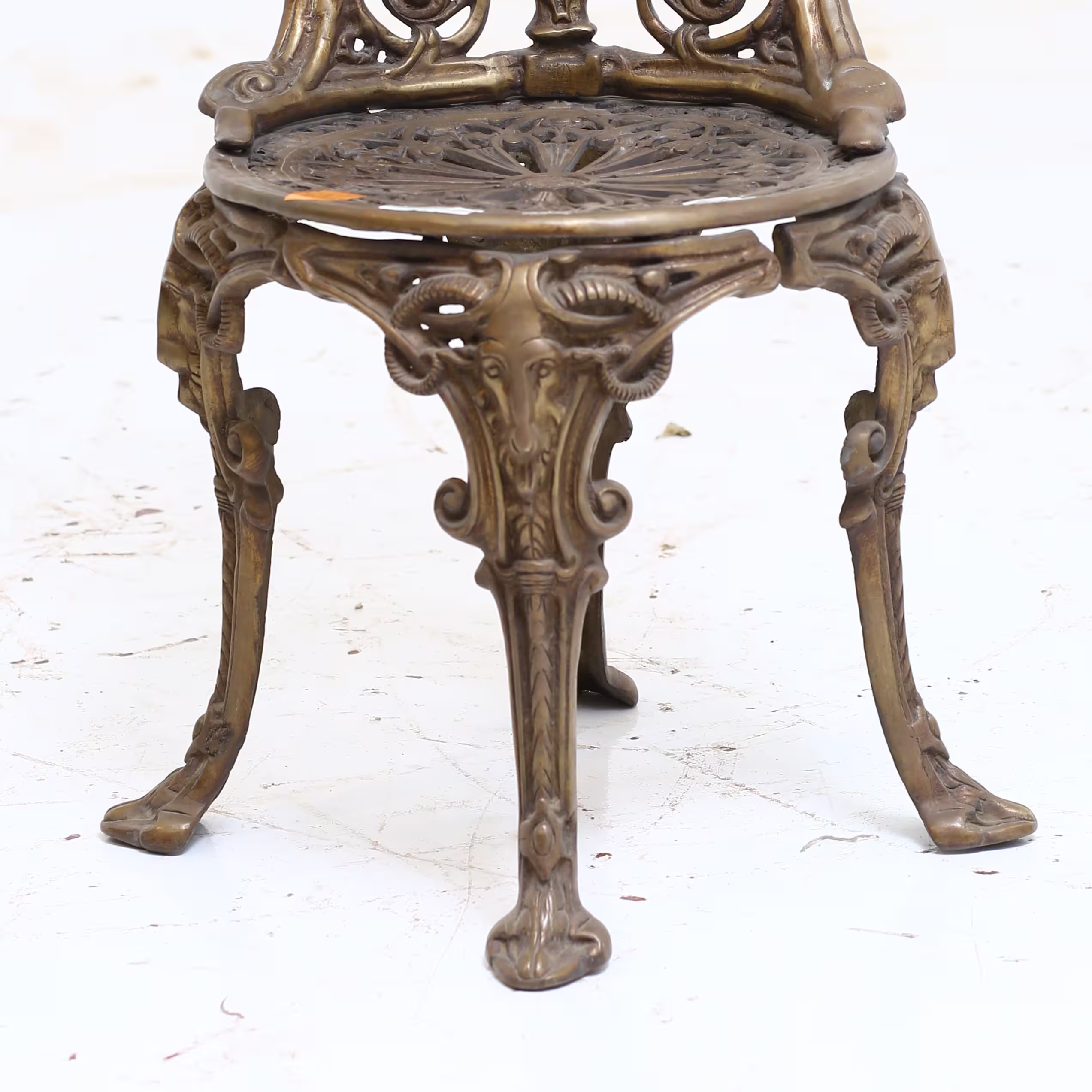
The legs are carved in rhythmic motion, echoing French cabinetmakers’ finesse in shaping elegance from structure. Yet, their turned forms also recall the pillars of South Indian temples — upright, rhythmic, often seen as silent dancers supporting divine weight. They anchor the chair like roots of tradition, balancing grace with stability. For the audience, they embody permanence and artistry, a promise that beauty and strength can coexist across cultures.
From sleek, modern designs that exude contemporary elegance to timeless classics that evoke warmth and nostalgia, our curated selection has something for every taste and lifestyle. Each piece is crafted with precision and care, ensuring both quality and durability.